SCRAP BUYER · DAMMAM & EASTERN PROVINCE
Iron & Steel Scrap Buyer
in Dammam
Your iron & steel scrap buyer in Dammam, Metal Scrap Dammam, buys scrap from industrial sites, factories, contractors and warehouses across the Eastern Province. Turn surplus metal into recovered value with a clear assessment, organised collection and straightforward communication.
Competitive Market Value | Site Inspection | Transparent Weighing
ABOUT OUR IRON & STEEL SCRAP SERVICE
Reliable Iron & Steel Scrap Buyer in Dammam
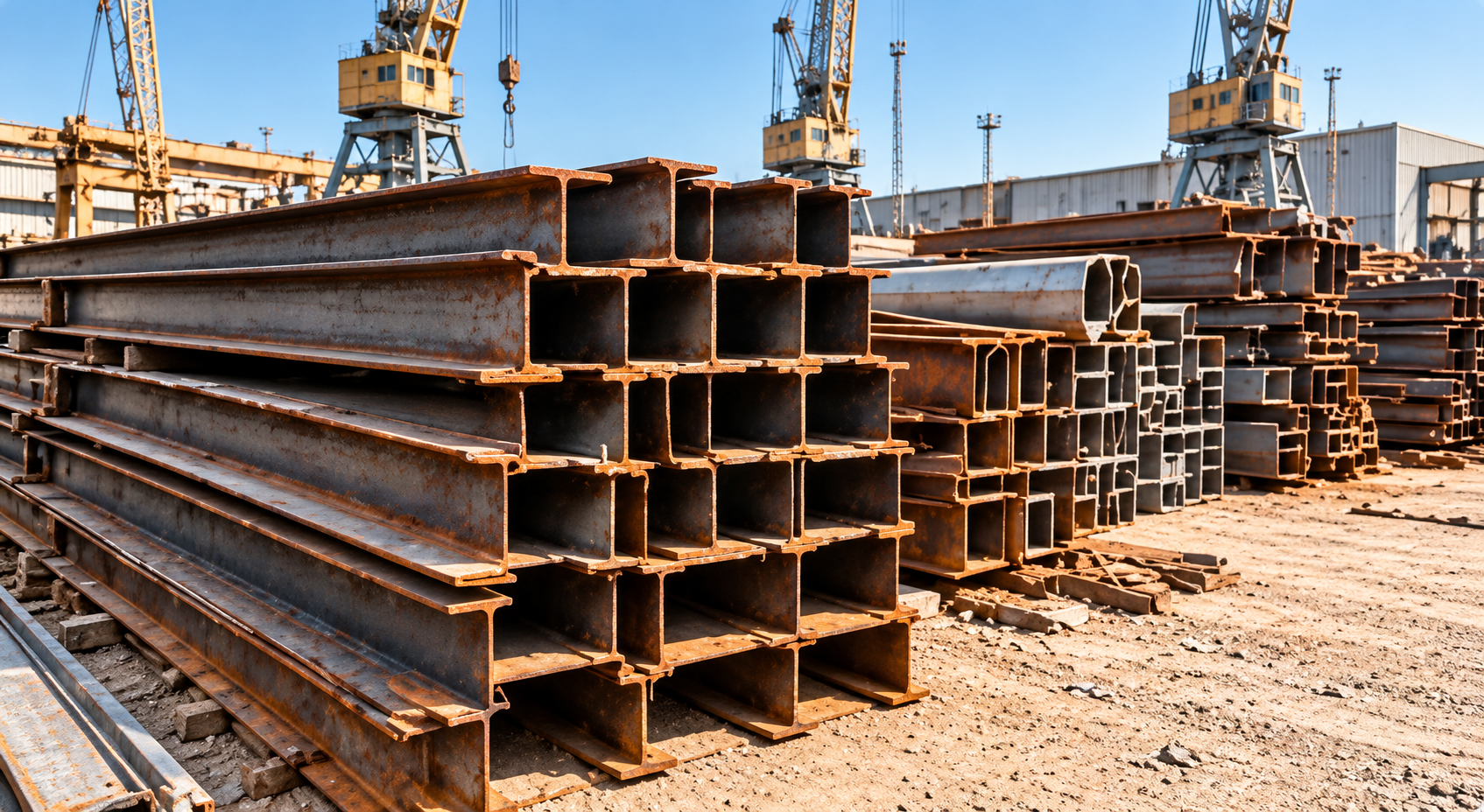
Looking for an iron & steel scrap buyer in Dammam? Metal Scrap Dammam helps businesses recover value from unwanted iron, mild steel (MS) and other ferrous scrap. Our service supports fabrication workshops, construction sites, warehouses and industrial facilities with surplus stock, production offcuts or obsolete equipment. Whether you are clearing a small working area or planning a larger site clearance, start by sharing the type and approximate quantity of material available.
Every load is different. Material grade, condition, weight, contamination and site access can influence the assessment and collection plan. Clear photographs help our team understand your requirements before arranging an inspection. We discuss the proposed price and practical arrangements so you can make an informed decision before agreeing to sell.
TYPES OF IRON & STEEL SCRAP WE BUY
Types of Iron & Steel Scrap We Buy in Dammam
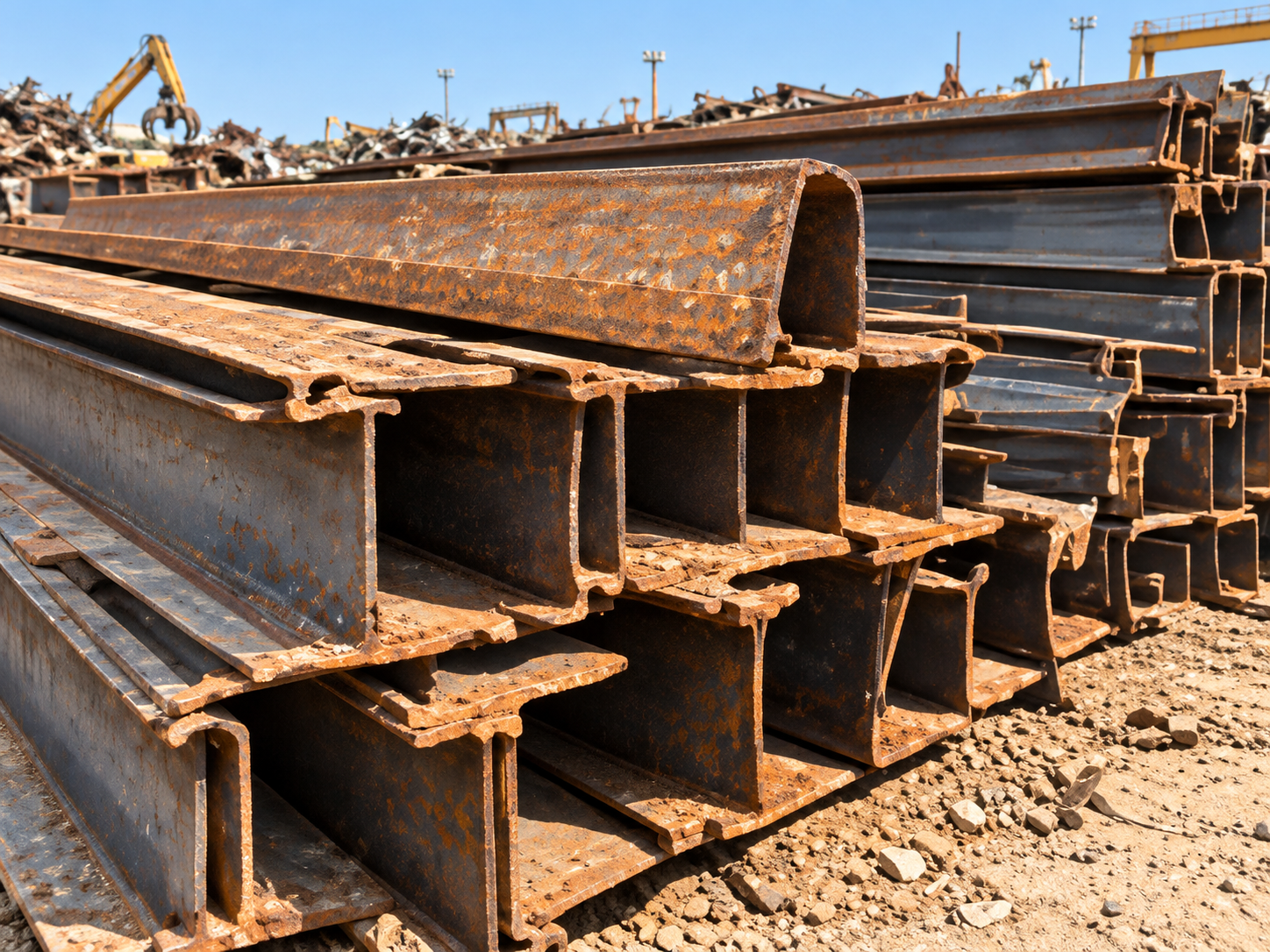
Structural Steel
Beams, channels, angles, columns and steel sections from fabrication, construction and refurbishment projects. Share the approximate dimensions and whether lifting equipment is available at your site.
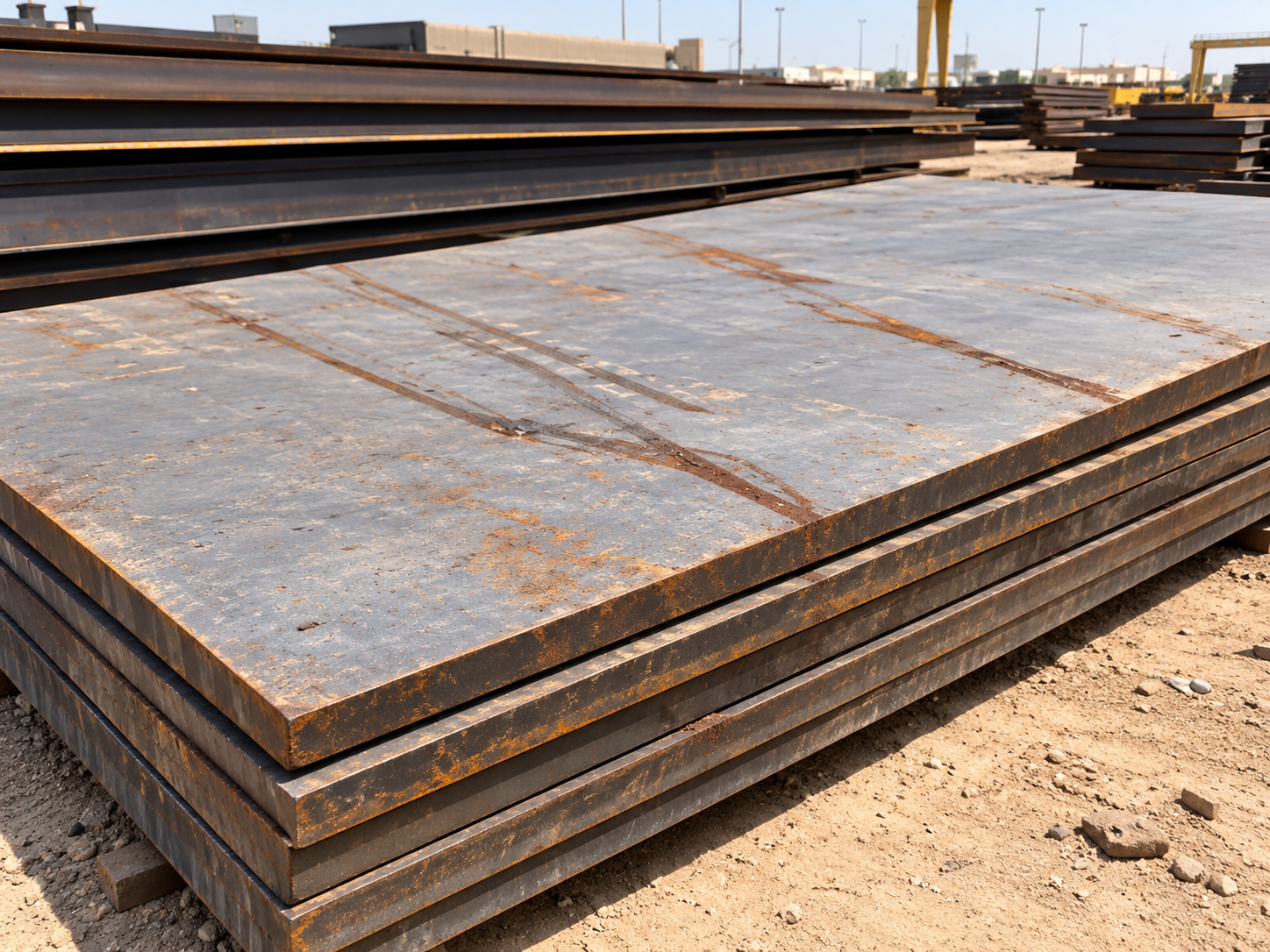
Steel Plates
Mild steel plates, heavy sheet material and cutting offcuts from workshops and industrial production. Keeping clean steel separated from other waste can make inspection and grading more straightforward.
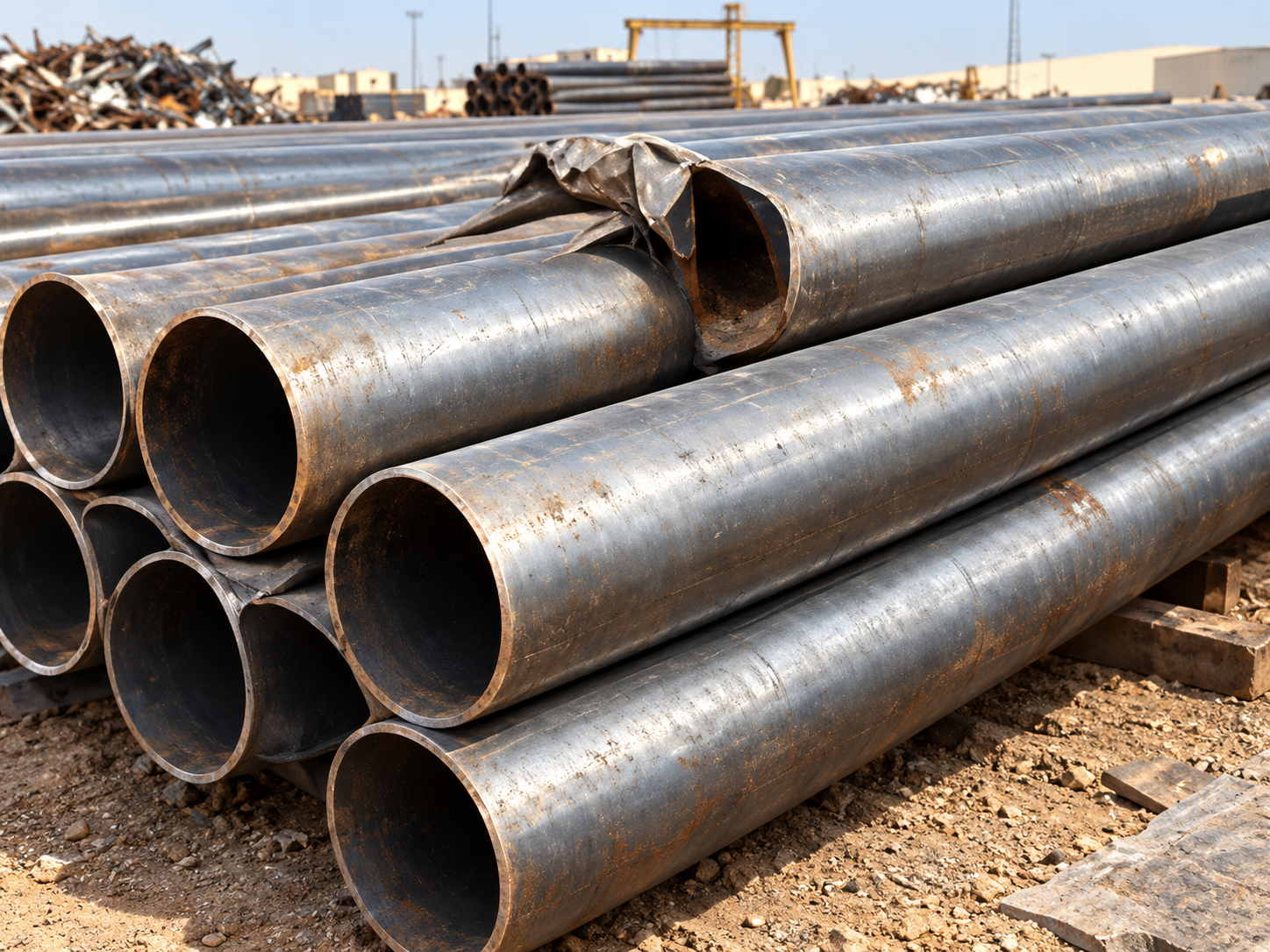
Pipes & Fittings
Steel pipes, flanges, valves and fittings from surplus stock or approved replacement work. Tell us whether items contain residue or need special handling before pickup is arranged.
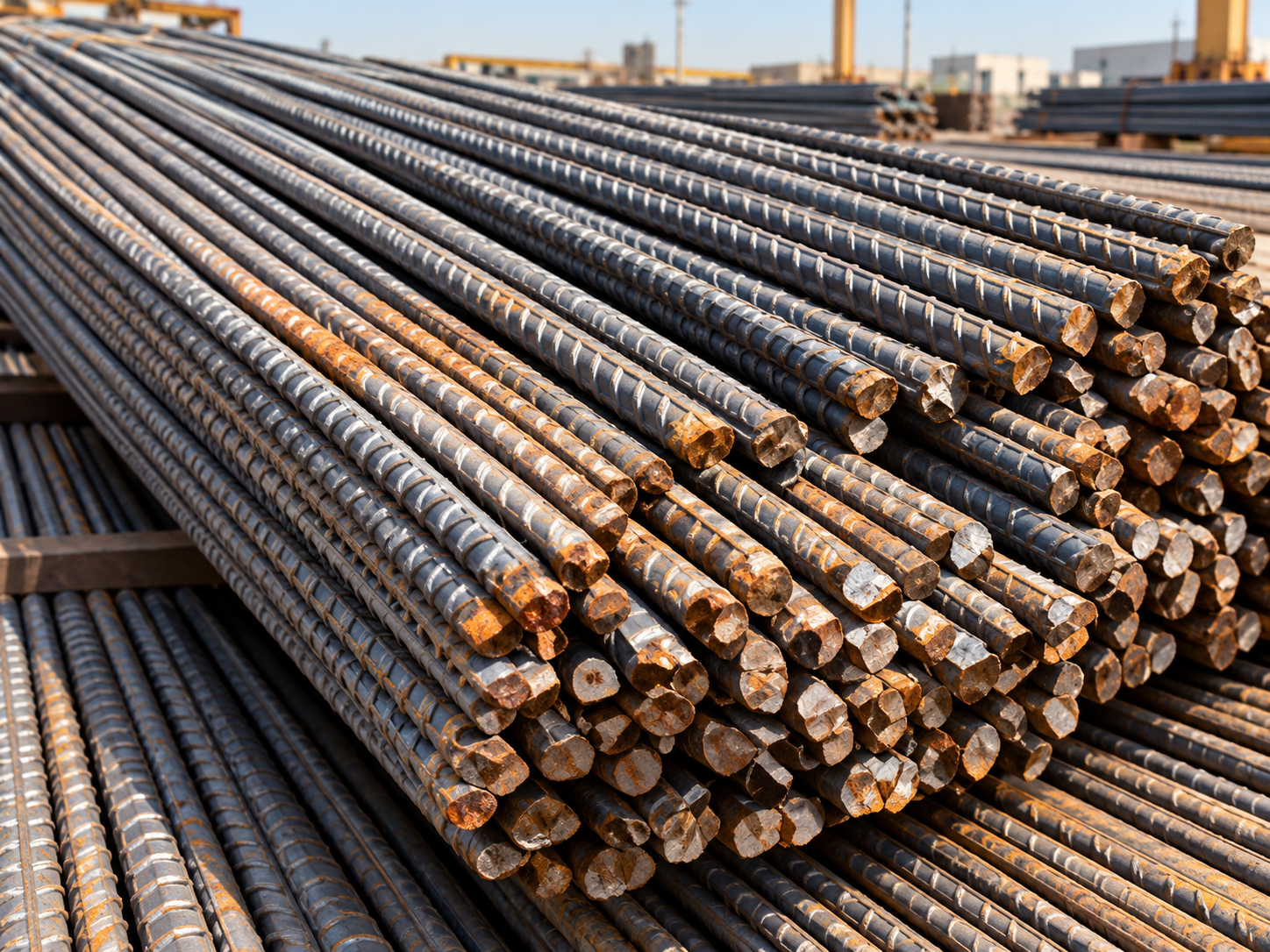
Rebar Scrap
Reinforcement bars, cut ends and surplus construction steel. Grouping the material and providing an estimated quantity helps the team plan suitable loading and transport arrangements.
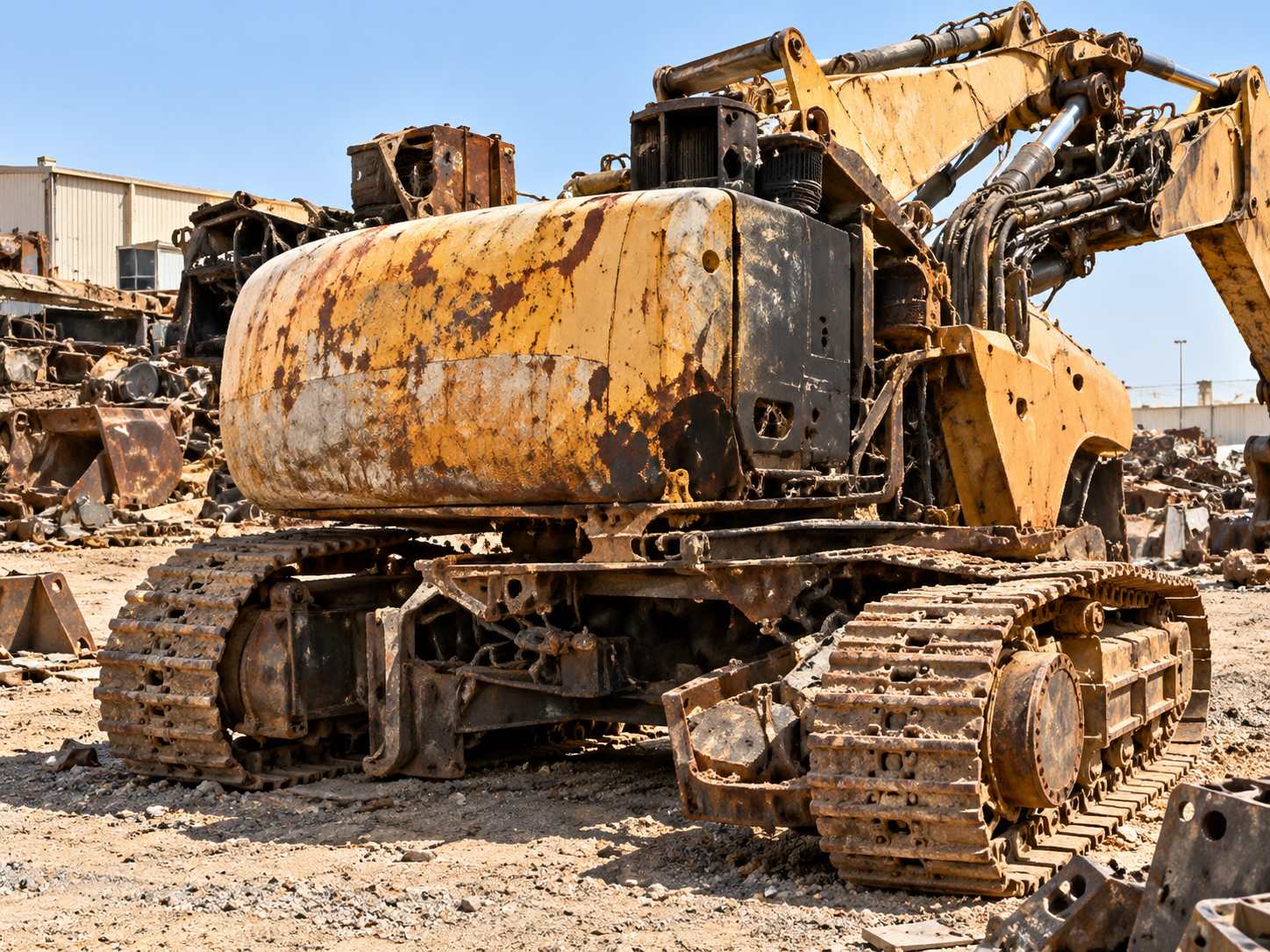
Machinery Scrap
Redundant industrial machines, steel equipment parts and obsolete assemblies. Size, weight and access determine collection requirements. Discuss any dismantling needs before scheduling the work.
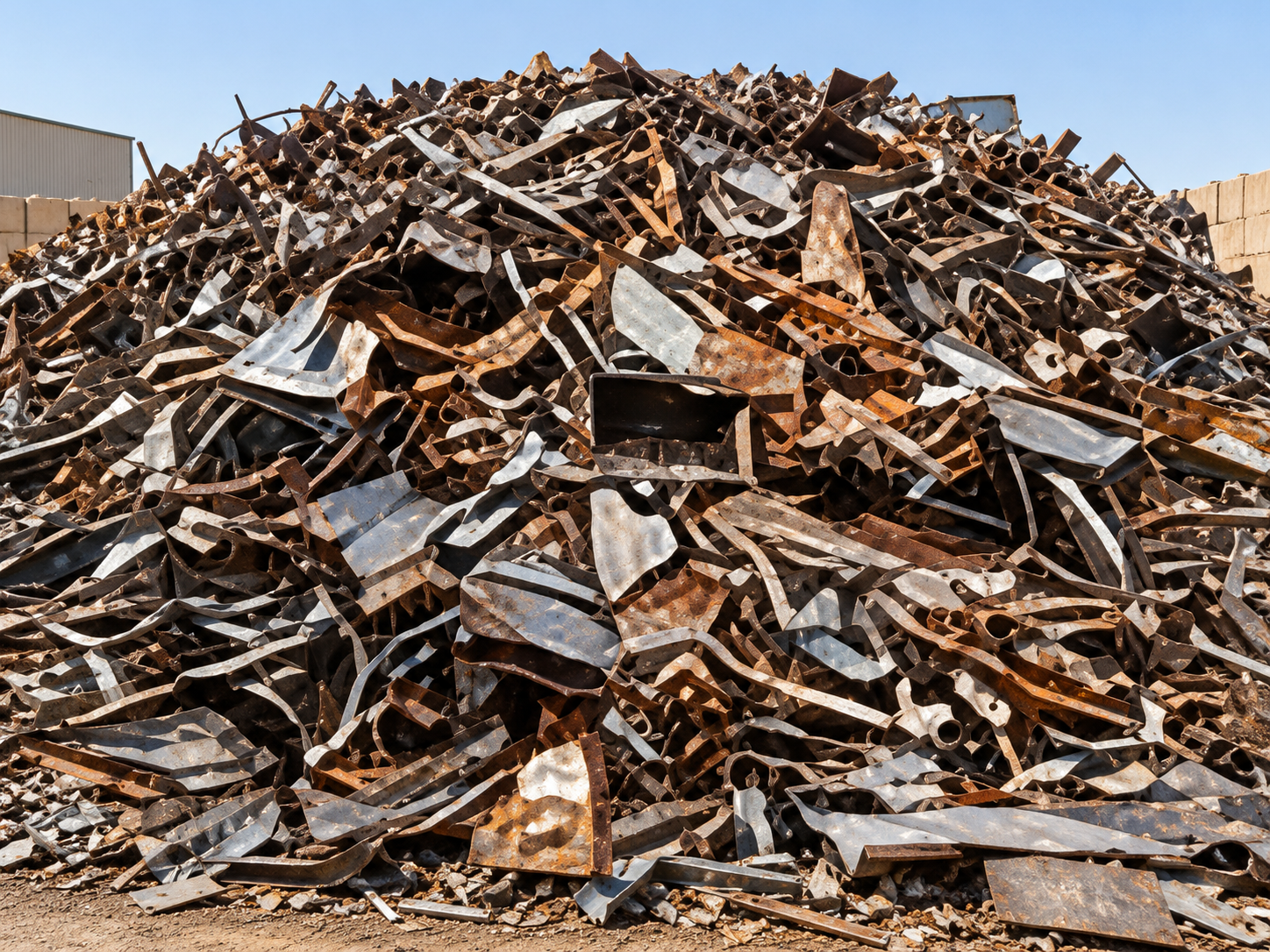
Mixed Steel Scrap
Light and heavy ferrous material, workshop leftovers and mixed steel accumulations. Photographs help identify the contents and establish whether sorting is needed before a quotation can be confirmed.
WHY CHOOSE US
Why Choose an Iron & Steel Scrap Buyer in Dammam?
Competitive Assessment
Work with an iron & steel scrap buyer in Dammam and receive a quotation based on the material you have and prevailing market conditions. The team explains the details of the proposed transaction before you decide to proceed.
Direct Communication
Discuss quantity, site access and timing with the buying team. Accurate information helps reduce delays and ensures collection arrangements suit the practical needs of your business.
Responsible Recycling
Recycling iron and steel supports material recovery and reduces unnecessary waste. Clearing redundant metal also frees valuable storage space and helps keep working areas orderly.
Collection Planning
Arrange pickup around your site access, loading needs and operating hours.
Transparent Weighing
Agree the weighing method and request a clear record of the assessed load.
Reliable Service
Discuss inspection, quotation and payment terms directly with our team.
OUR PROCESS
6 Steps to Sell Iron & Steel Scrap
1. Contact Us: Call or WhatsApp with photographs, your location and an estimated quantity.
2. Inspection: We review the material and arrange a site visit when needed.
3. Weighing: Confirm the weighing method and how the recorded weight will be shared.
4. Price Confirmation: Agree the grade, rate and collection requirements before proceeding.
5. Payment: Confirm payment method and timing with the team during the agreement.
6. Pickup Service: Schedule collection around site access, loading arrangements and operating hours.
SERVICE AREAS
We Cover Dammam & Eastern Province
Our iron & steel scrap buyer in Dammam serves Al Khobar, Dhahran, Jubail, Qatif, Ras Tanura and Abqaiq. Collections in Jubail Industrial City, Ras Al-Khair and Al-Ahsa can be discussed according to quantity and transport requirements. Inspection and collection availability are confirmed for each location and load.
SCRAP VALUATION & COLLECTION
Iron and Steel Scrap Prices in Dammam
There is no single fixed price for every steel scrap load. A quotation depends on the material grade, recoverable weight and market conditions at the time of assessment. Heavy structural sections, mild steel offcuts and mixed light iron may be assessed differently. Paint, attached concrete, insulation and other non-metal material can affect the recoverable quantity. Ask the buying team to explain the rate, weight basis and any loading or transport costs before accepting an offer.
Request a Quote from an Iron & Steel Scrap Buyer in Dammam
Send wide photographs of the whole pile together with close-up images of the material. Provide your Dammam location, estimated weight or piece count, dimensions of large items and preferred collection date. Separate steel from copper, aluminium and general waste where practical. Keep access routes clear and explain whether a forklift, crane or other loading equipment is available. Do not move heavy pieces or dismantle machinery without suitable site arrangements.
For factory, warehouse and construction scrap, identify the person authorised to approve the sale and collection. Discuss site entry requirements, loading space, weighing records and payment terms in advance. This information helps the team assess the load and plan a collection that fits your working hours. Call +966 53 251 0699 or send scrap photos on WhatsApp to request an iron and steel scrap assessment.
PRACTICAL SELLING GUIDE
Plan Your Iron and Steel Scrap Sale
Identify Scrap and Separate Reusable Stock
List the beams, channels, plates, pipes, reinforcement bars and machinery available for sale. Include dimensions for oversized pieces and explain whether material is loose, bundled or still attached to a structure. Before approving a clearance, separate reusable stock, spare parts and customer-owned items from scrap. Mark the collection area and identify the person authorised to release it. Photographs of the whole pile and close-up views help your iron & steel scrap buyer in Dammam assess the material; describe uncertainty about grades rather than treating all metal as identical. For recurring workshop scrap, keep plate offcuts, rebar ends and mixed fabrication material in identifiable groups where practical.
Estimate Quantity and Understand Weighing
Provide an available weight record, or an honest estimate with a piece count and approximate dimensions. Explain how the estimate was obtained; it helps transport planning but does not establish the final payable quantity. When a vehicle scale is used, gross weight includes the loaded vehicle, tare weight is the vehicle without the sale material, and their difference establishes net load weight under the agreed procedure. Ask which unit is used and how non-metal attachments affect the assessed quantity. Confirm the weighing method and request the relevant record for your accounts before loading starts. Smaller loads may require a different suitable measurement arrangement.
Compare Quotations on the Same Basis
Ask whether the rate is per kilogram, per tonne or for the complete lot. Compare offers using the same material description, grade, estimated quantity and collection requirements. Establish who handles preparation, loading and transport, and whether any agreed costs affect the net amount. Clarify whether a quotation is provisional until inspection and how long it remains valid. Market conditions and the actual condition of a load can change the assessment. Confirm the applicable terms with your iron & steel scrap buyer in Dammam when you are ready to sell, and resolve questions about a revised quantity or grade before final agreement. A clear comparison considers the expected payment and practical responsibilities together.
Prepare Site Access, Loading and Lifting
Share the entrance location and site contact with your iron & steel scrap buyer in Dammam, along with permitted arrival times and any visitor registration requirements. Explain narrow turns, vehicle height restrictions, loading surfaces and operations that will continue during collection. For obsolete machinery, show the complete unit, its surroundings and the route to the loading area. Provide available dimensions and weight information, and confirm whether it is disconnected and released for removal. Discuss dismantling, lifting equipment and transport separately when needed. Large clearances can be arranged in agreed stages according to access and operational needs. Keep approved material clearly identified and ensure the person supervising collection understands the agreed scope.
Disclose Residues and Non-Metal Attachments
Tell your iron & steel scrap buyer in Dammam about fluids, insulation, attached concrete, rubber, timber or other contamination before inspection and collection. Enclosed pipes, tanks and equipment may need additional assessment; photographs cannot establish that a sealed item is empty or ready for handling. Arrange any necessary preparation through the appropriate site personnel before release. Explain whether material is buried, exposed to standing water or difficult to reach, as this can affect assessment and loading. Separate obvious non-metal waste where practical and keep different prepared grades identifiable during storage. Accurate information helps the team discuss acceptance, recoverable quantity and a suitable collection plan.
Confirm Collection, Payment and Records
Before confirming the sale, agree the material description, rate or lot value, measurement procedure, collection responsibilities and payment method and timing. Share release-note or other documentation requirements early, and retain the agreed details with the weighing record. If the actual load differs from the initial description, discuss the change before finalising the transaction. For regular factory collections, agree who approves each load, how records are provided and who can authorise schedule changes. If your business requires particular recovery documentation, ask what can be supplied. Contact your iron & steel scrap buyer in Dammam, Metal Scrap Dammam, with photographs, your location and an estimated quantity to discuss the next practical steps.
For a recurring collection arrangement with an iron & steel scrap buyer in Dammam, keep a simple log of the material generated each week or month. Note changes in production, unusually large items and any periods when access will be restricted. A realistic collection schedule can prevent scrap from blocking work areas while avoiding unnecessary vehicle visits.
Share photographs when the contents of a load change, and check that the agreed assessment still applies. Keep the site contact details current so arrival times and loading instructions reach the right person. After each collection, compare the recorded material and weight with your release note and raise any questions promptly. These practical records help both sides plan future collections and make the next quotation more accurate.
Have other metals to sell? Explore our copper scrap buying, cable scrap assessment and aluminum scrap buying services. Separating these materials from steel helps each load receive an appropriate assessment.
Frequently Asked Questions
What types of iron and steel scrap do you buy?
We assess structural steel, plates, pipes, rebar, machinery parts and mixed ferrous scrap. Send photographs and a description so the team can discuss acceptance of your material.
How is the scrap price determined?
Price depends on grade, recoverable weight, condition and current market conditions. Sorting, loading and transport requirements may affect the offer. Ask an iron & steel scrap buyer in Dammam for an assessment of your specific load.
Do you provide pickup in Dammam?
Pickup can be arranged after reviewing the quantity, location and access. Mention restricted entrances, lifting needs and permitted collection times before confirming a booking.
What should I provide before selling?
Share clear photos, site location, estimated weight and preferred timing. Include details of contamination, oversized pieces or dismantling requirements to help the team plan appropriately.
Can you handle recurring industrial scrap?
Discuss your expected volume and production schedule. Regular collections may be arranged according to the quantity generated, site requirements and available transport.
How is payment handled?
Payment terms are agreed during price confirmation. Ask for the weighing record and transaction details so you have a clear reference for the sale.
Do you buy from factories and industrial sites?
Yes. We assess surplus iron and steel from factories, workshops, warehouses and construction sites. Share the location, estimated quantity and loading requirements when requesting an inspection.
Can you assess large quantities?
Contact our team with your expected tonnage, material photographs and project schedule. Larger loads can be reviewed with collection access and transport requirements in mind before a plan is agreed.
Ready to Sell Your Iron & Steel Scrap?
Contact your iron & steel scrap buyer in Dammam at Metal Scrap Dammam to discuss your materials, request an inspection and plan the next steps. Share your photographs and estimated quantity today for a practical quotation and collection discussion.
Call Now WhatsApp