Guide to Removing Old Industrial Machinery in Dammam
If your facility needs machinery scrap removal Dammam, this practical guide explains the six easy, essential steps to clear heavy equipment safely, responsibly, and with maximum recovery value. Whether you manage a factory, warehouse, workshop, construction site or facility in the Eastern Province, follow these procedures to reduce downtime, protect workers and support recycling.
Why plan machinery removal carefully?
Large industrial machines are heavy, awkward and often contain mixed materials: steel frames, copper windings, aluminum housings, electronic controls and hydraulic components. A clear plan reduces the risk of injury, damage to your site, and loss of recyclable value. Professional handling helps ensure metal is separated correctly for recycling rather than ending up in general waste.
machinery scrap removal Dammam: 6 Easy, Essential Steps
-
Step 1 — Assess and document the machinery
Start with a quick survey: record make/model, estimated weight or dimensions, mounting points and any hazardous components (oil, coolant, batteries or capacitors). This documentation helps the removal team plan lifting, transport and recycling. Mentioning these details when you contact a buyer or collector speeds quotes and avoids surprises.
-
Step 2 — Isolate utilities and make the area safe
Shut down power and disconnect electrical, pneumatic and hydraulic feeds. Drain fluids to approved containers and label them. A safe removal zone keeps workers and visitors away from lifting operations and falling debris. Proper pre-work isolation is standard practice for machinery scrap removal Dammam projects.
-
Step 3 — Salvage valuable components
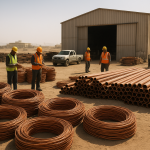
Before cutting or crushing, remove high-value parts such as motors, copper coils, control panels, pumps, and non-ferrous fittings. Separate copper, aluminum and steel where possible—this improves recycling value and reduces contamination. Experienced teams can identify parts for resale or specialised recycling.
-
Step 4 — Dismantle and prepare metal for transport
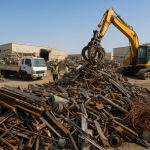
Use appropriate tools to disassemble frames, detach legs and segment large sections so they fit transport vehicles. Heavy lifts should use certified rigging, forklifts or cranes. Sorting metals into piles or containers (steel, stainless, copper, aluminum) on-site ensures cleaner loads and smoother processing at recycling facilities.
-
Step 5 — Load, weigh and document
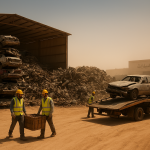
Load metal onto trucks or skips safely and weigh consignments if required. Accurate documentation supports proper invoicing and regulatory compliance. A transparent paperwork trail also helps facility managers track material origin and disposal routes.
-
Step 6 — Transport to recycling or processing
Choose a recycler or scrap buyer with suitable facilities to process industrial equipment. Proper recycling diverts metal from landfill and ensures hazardous residues are managed. For large projects in Dammam and the Eastern Province, coordinated transport reduces handling costs and environmental impact.
What types of materials and machinery are commonly removed?
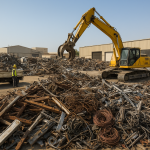
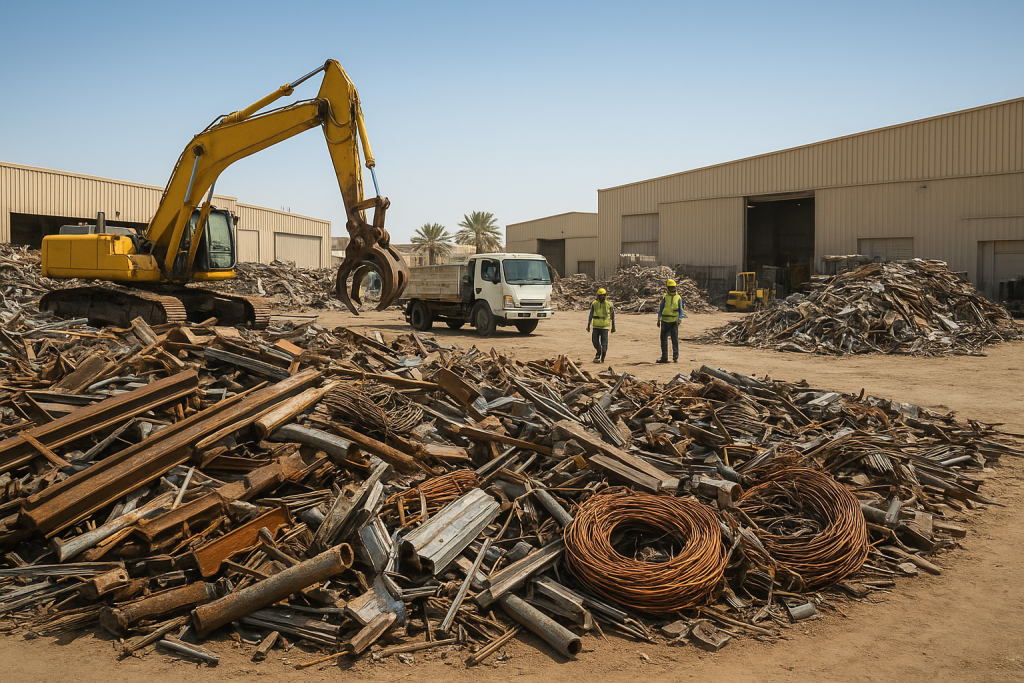
Industrial machinery scrap typically includes steel frames, iron castings, stainless components, aluminum housings, copper coils and wiring, motors, pumps, gearboxes and electronic control units. Recognising these helps you sort and prioritise salvage. Metal surfaces will usually show metallic reflections, rusted edges, or industrial wear—useful clues during assessment.
How machinery scrap removal typically works for sellers
Most commercial removals follow a simple workflow: contact a local collector, share photos and details, schedule an on-site assessment, confirm scope and price, then arrange dismantling and pickup. For larger operations, Metal Scrap Dammam can coordinate site access, lifting equipment and transport. For more about our services, see Metal Scrap Dammam services.
Benefits of professional handling
- Safety: reduced risk to staff and contractors.
- Value recovery: better separation increases recycling returns.
- Compliance: proper disposal of oils, coolants and batteries.
- Efficiency: minimal operational downtime for factories and warehouses.
- Documentation: clear records for audits and asset management.
Environmental and recycling advantages
Responsible machinery scrap removal supports the circular economy by returning metal to the supply chain and cutting demand for virgin raw materials. Recycling metal consumes less energy and reduces greenhouse-gas emissions compared with primary production. For global context on resource management and sustainable practices, consult the UN Environment Programme.
Local considerations for Dammam and the Eastern Province
In Dammam and nearby industrial areas like Khobar, Dhahran and Jubail, many facilities require coordinated clearances that respect local traffic, port access and industrial-zone rules. Work with a collector familiar with Eastern Province logistics to streamline permits, truck routing and offloading at authorised recycling yards. Local knowledge reduces delays and ensures materials are processed at appropriate facilities.
Who should use this guide?
This guide is useful for factories, warehouses, contractors, facility managers, workshops, construction companies and commercial businesses planning equipment removal. Households with heavy metal appliances may also find the steps helpful when coordinating a larger pickup.
FAQs
1. How do I get a quote for old machinery?
Send photos, make/model details and estimated dimensions to the collector. A site visit may be required for large or complex machines to confirm scope and lifting requirements.
2. Are hazardous fluids a problem?
Fluids such as oils or coolants must be drained and handled separately. Professional removal teams will advise on containment and disposal or manage fluids as part of the service.
3. Can I sell usable parts separately?
Yes. Salvageable motors, controls and gears often have resale value. Separating these before bulk scrap processing improves returns.
4. How long does a typical removal take?
Small machines may be cleared in a few hours; full factory clearances can take days depending on complexity, permits and transport arrangements. Scheduling and local coordination affect total time.
Conclusion and contact
Following these six easy, essential steps will make machinery scrap removal Dammam safer, more efficient and more profitable for your facility. If you’re planning a clearance or need an on-site assessment, contact Metal Scrap Dammam to discuss a tailored plan and reliable pickup. Call or WhatsApp +966532510699 or email info@metalscrapdammam.com to get started.