
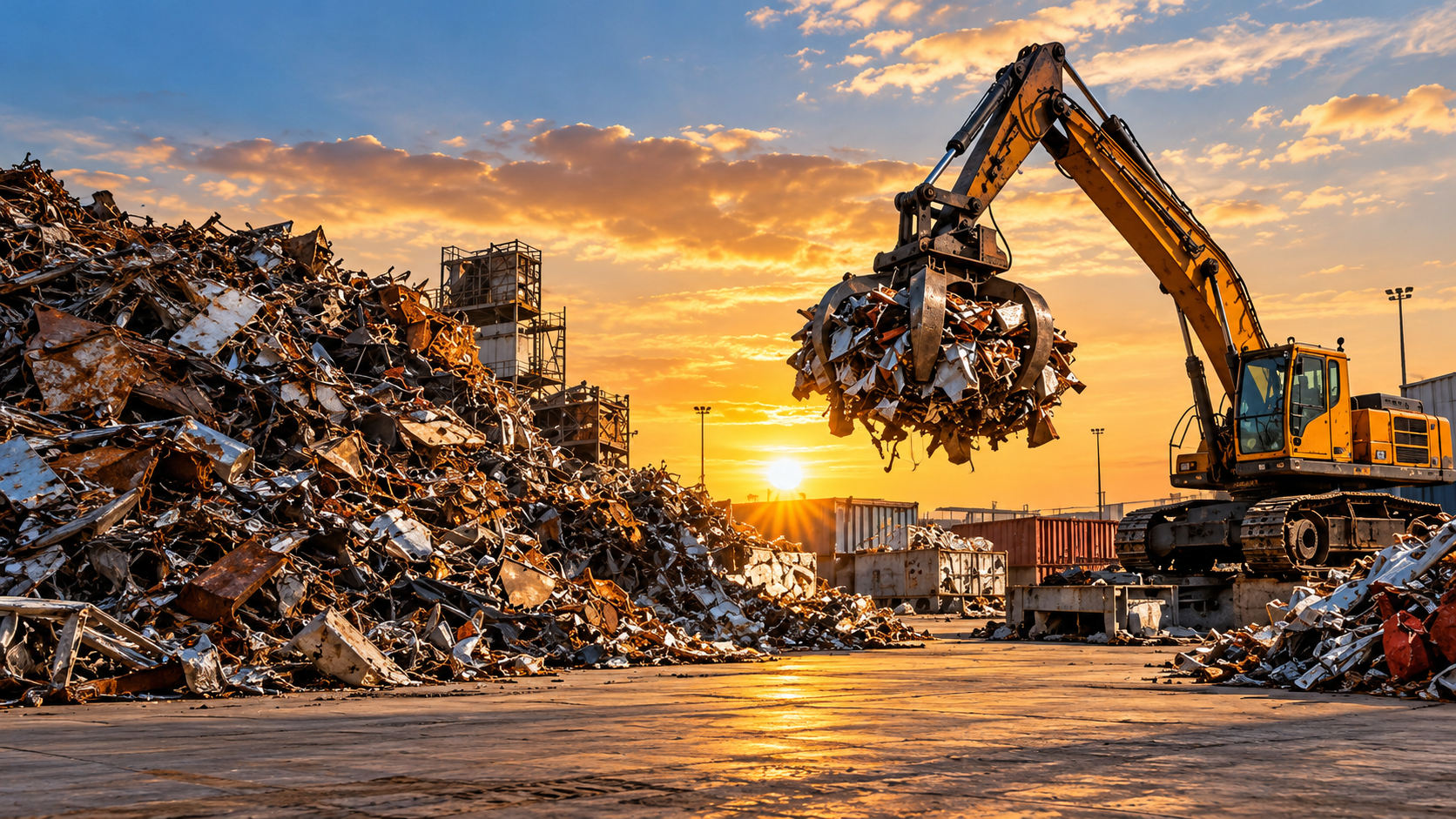
Our 6-Step Scrap Buying Process
We follow a simple and transparent scrap buying process in Dammam to make selling easy for individuals, businesses and industrial clients. From your first message to collection, our team explains the next step.

Contact Us
Call or WhatsApp us with details about your scrap material. Share clear photos, the material type, approximate quantity and your location. This helps our team understand your request and prepare an initial estimate.

Site Inspection
Our team reviews the material and arranges a site inspection when needed. We assess its condition, grade and quantity, together with loading access and collection requirements. You can ask questions before deciding to sell.
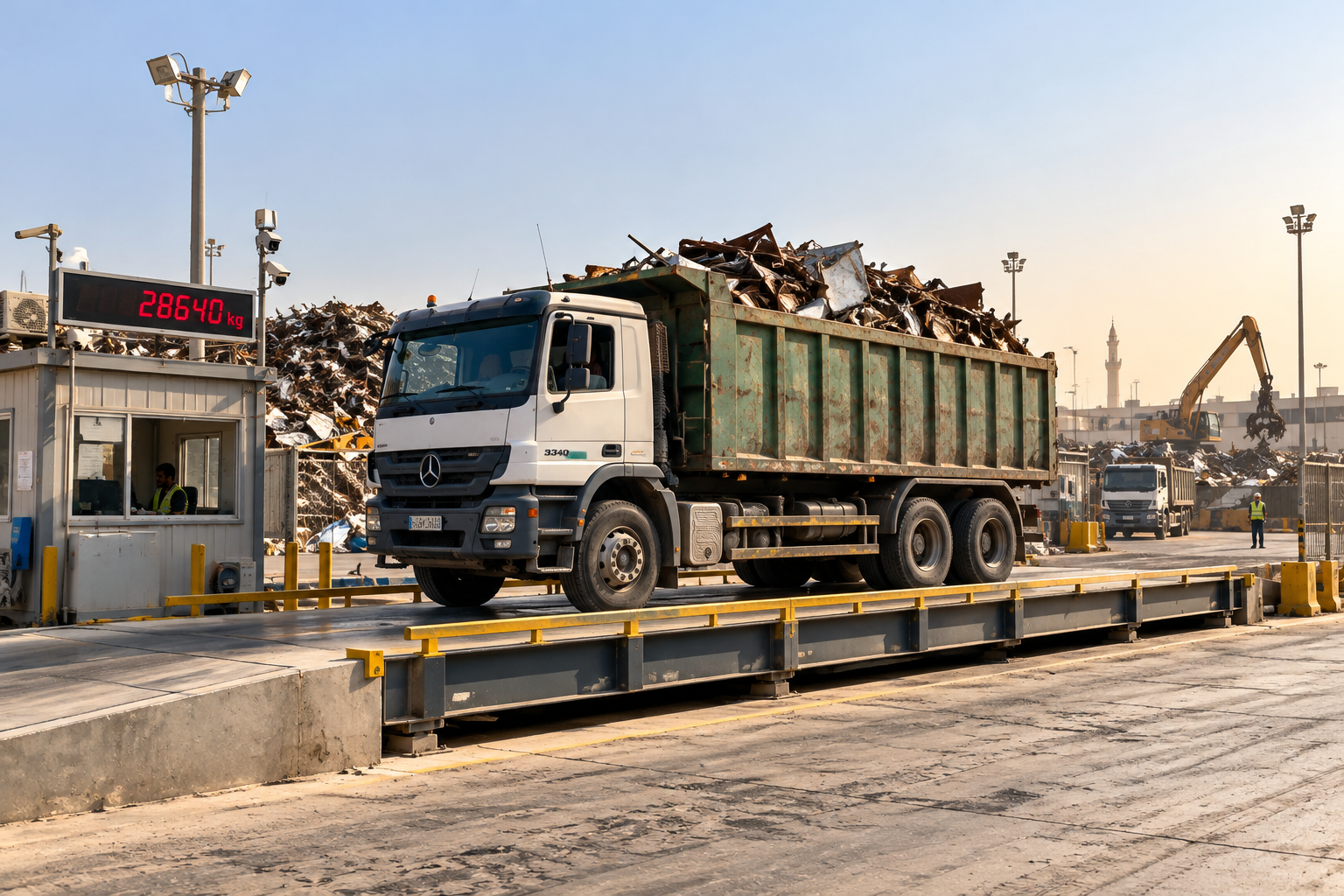
Weighing
Your material is weighed using a digital scale. We explain the measured weight and any agreed deductions so you can understand the calculation. Accurate weighing is a key part of our scrap buying process in Dammam.

Price Confirmation
We offer a competitive price based on the material grade, condition, measured weight and current market rates. The final amount is explained and agreed with you before the transaction proceeds. There are no agents between you and our buying team.

Instant Payment
Once the weight and final price are confirmed, we arrange payment through the agreed method, such as cash or bank transfer. Our team explains the payment details clearly. For larger business collections, payment and documentation arrangements are agreed in advance.
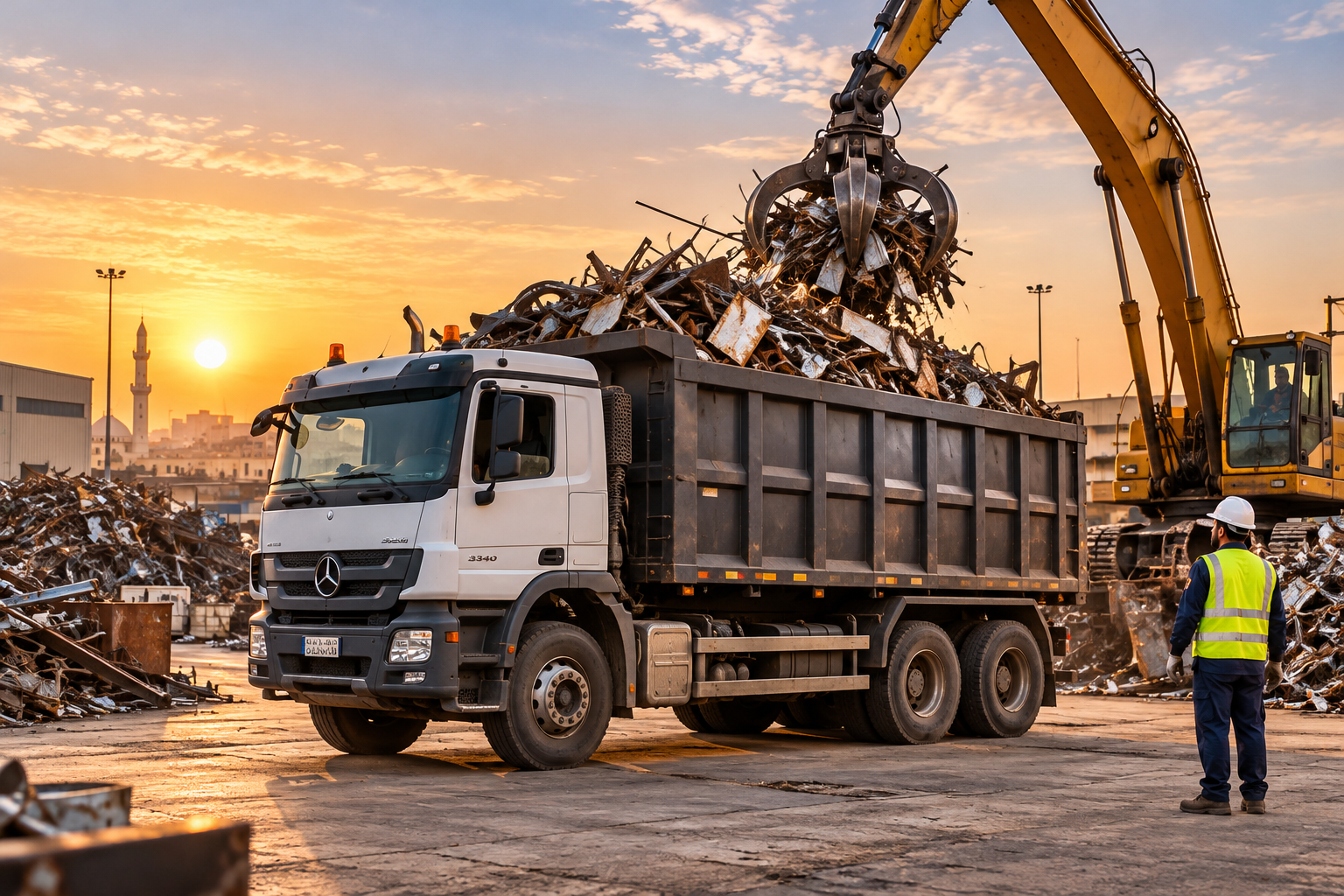
Pickup Service
We coordinate loading and transport from your site at an agreed time. Please tell us about access restrictions, heavy equipment or special collection requirements. Pickup availability and arrangements are confirmed for your location in Dammam or the Eastern Province.
Have a collection question? Contact our scrap buying team or explore our scrap metal services in Dammam.
Types of Scrap We Buy
We buy ferrous and non-ferrous scrap from industrial, commercial and demolition scrap sites and construction sites in Dammam and nearby areas. Choose a material below to learn more, or send photos for an evaluation.
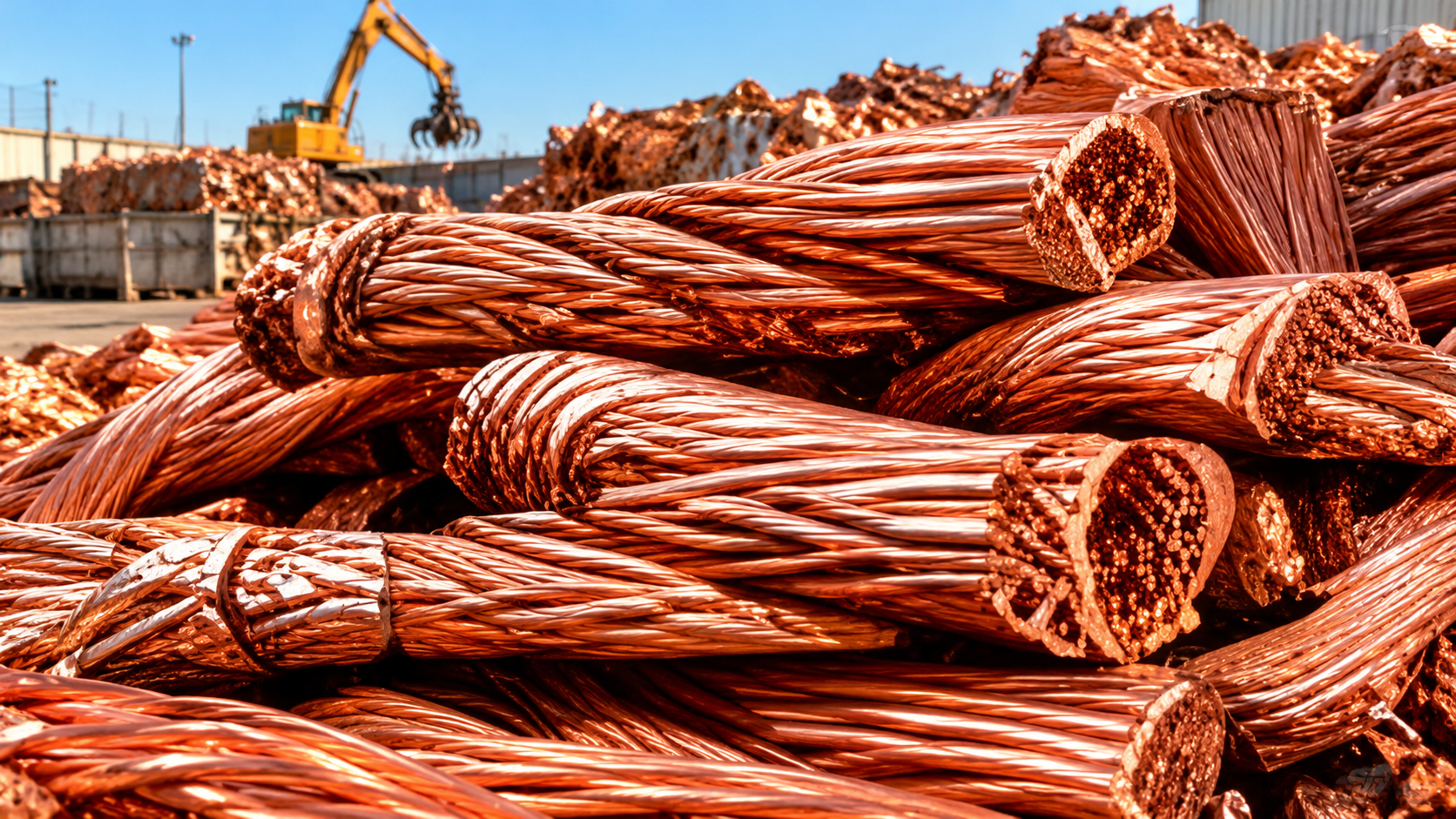
Copper Scrap›
Copper wire, pipes and recyclable copper offcuts.
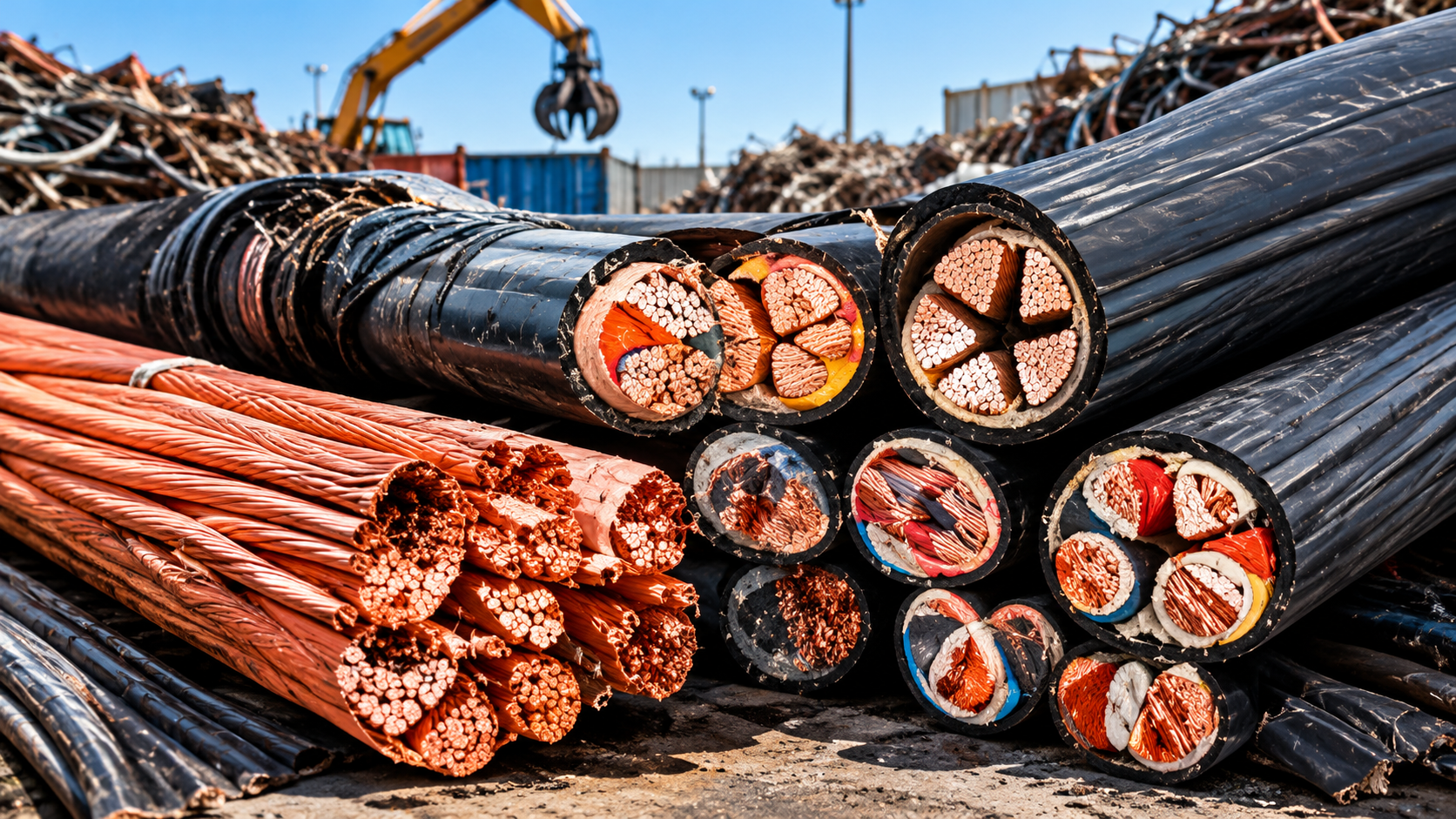
Cable Scrap›
Electrical cables and insulated copper cable scrap.
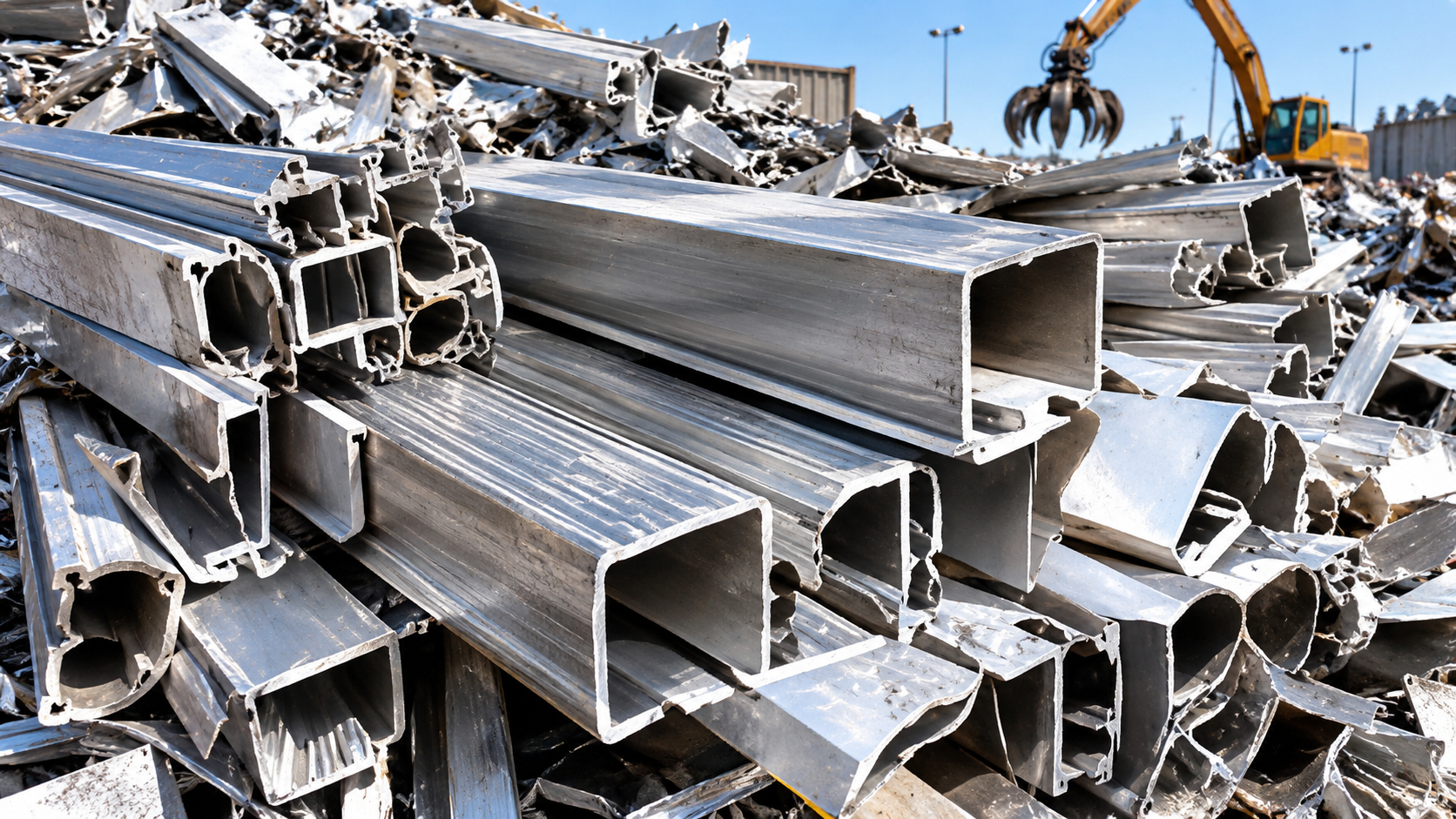
Aluminum Scrap›
Aluminum profiles, frames and industrial offcuts.
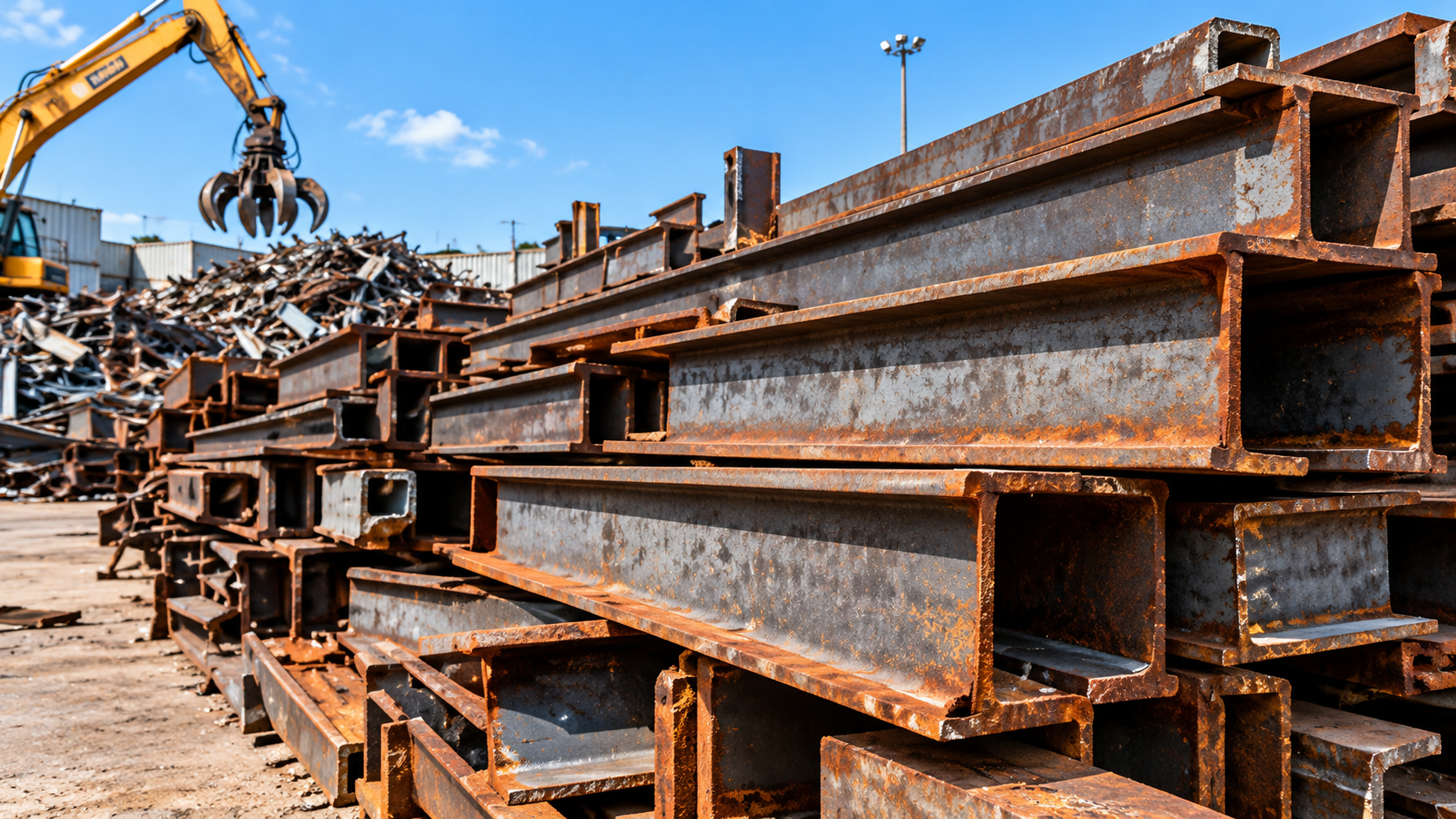
Iron & Steel Scrap›
Steel beams, structures and ferrous metal scrap.
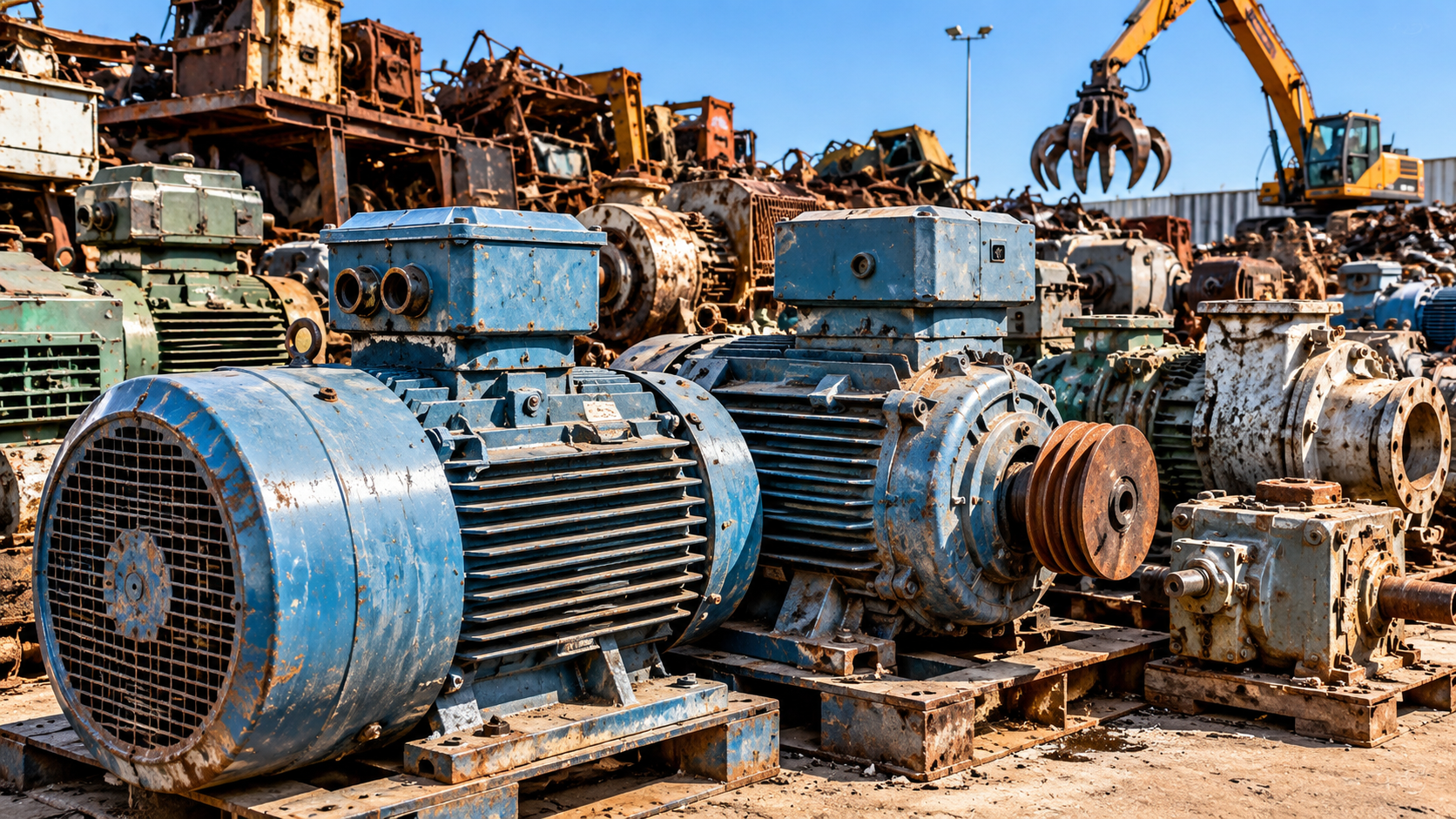
Machinery Scrap›
Industrial motors, machinery and retired equipment.
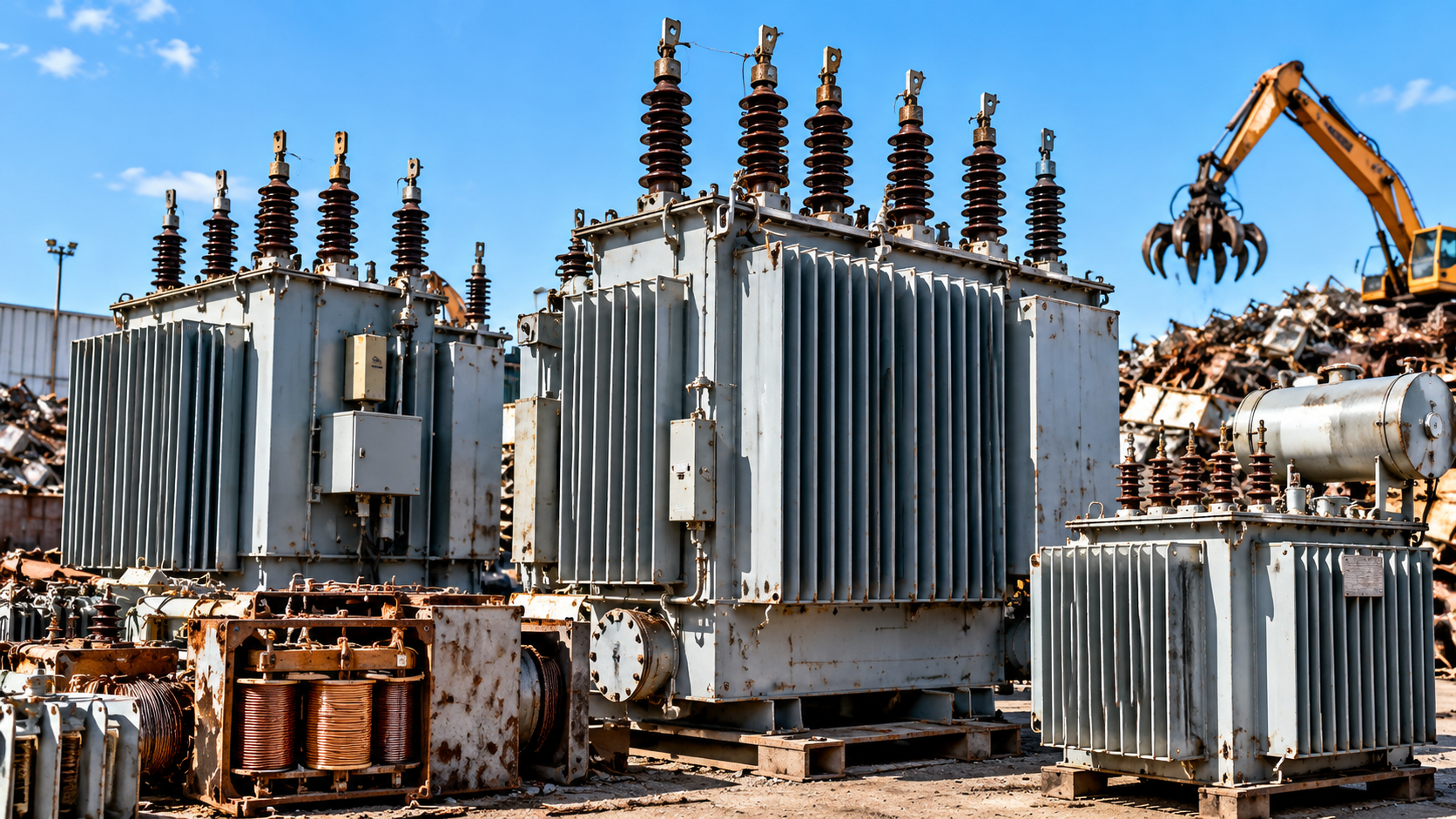
Transformer Scrap›
Transformer units, coils and electrical metal scrap.
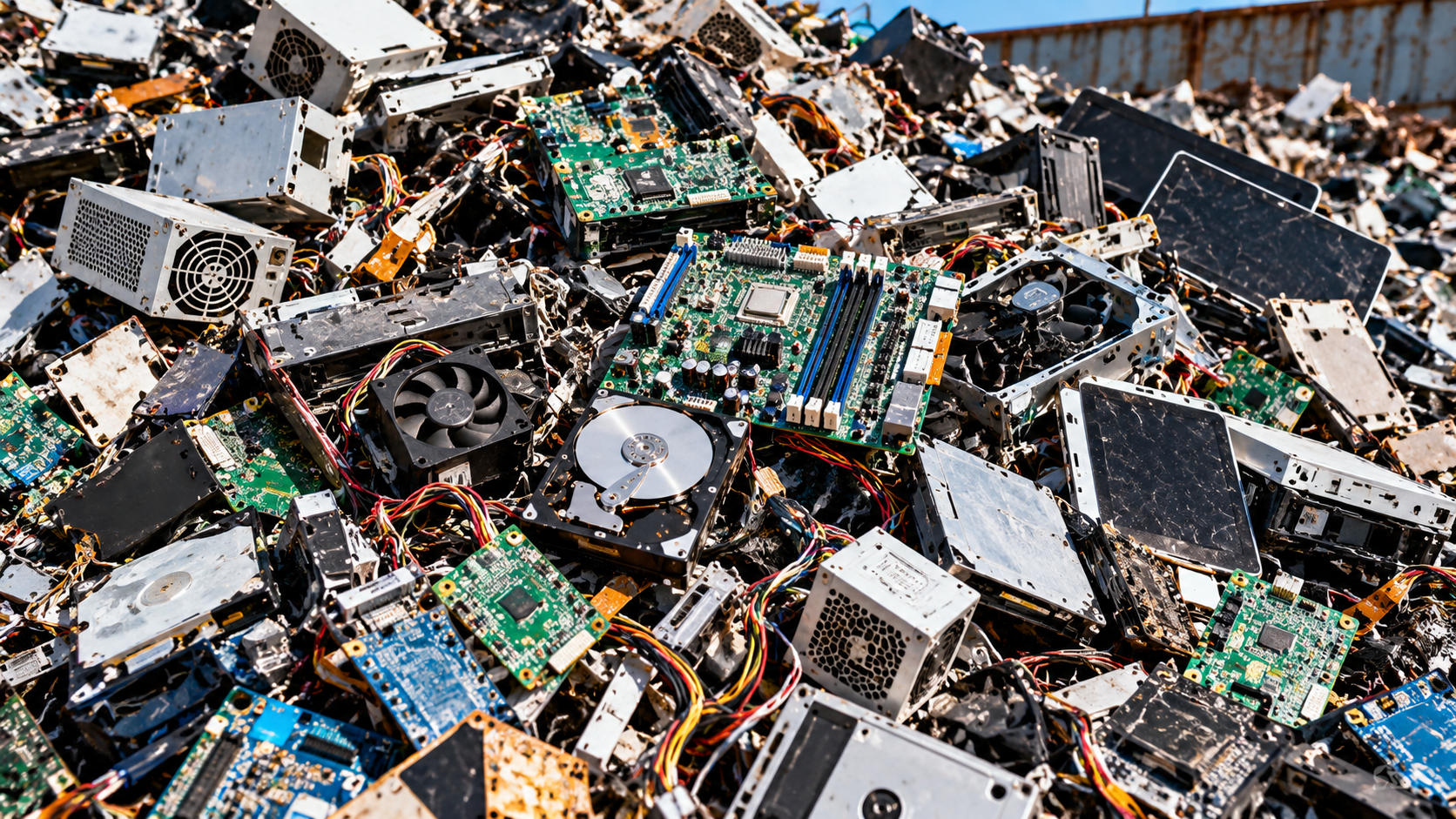
E-Scrap›
Electronic equipment, circuit boards and components.
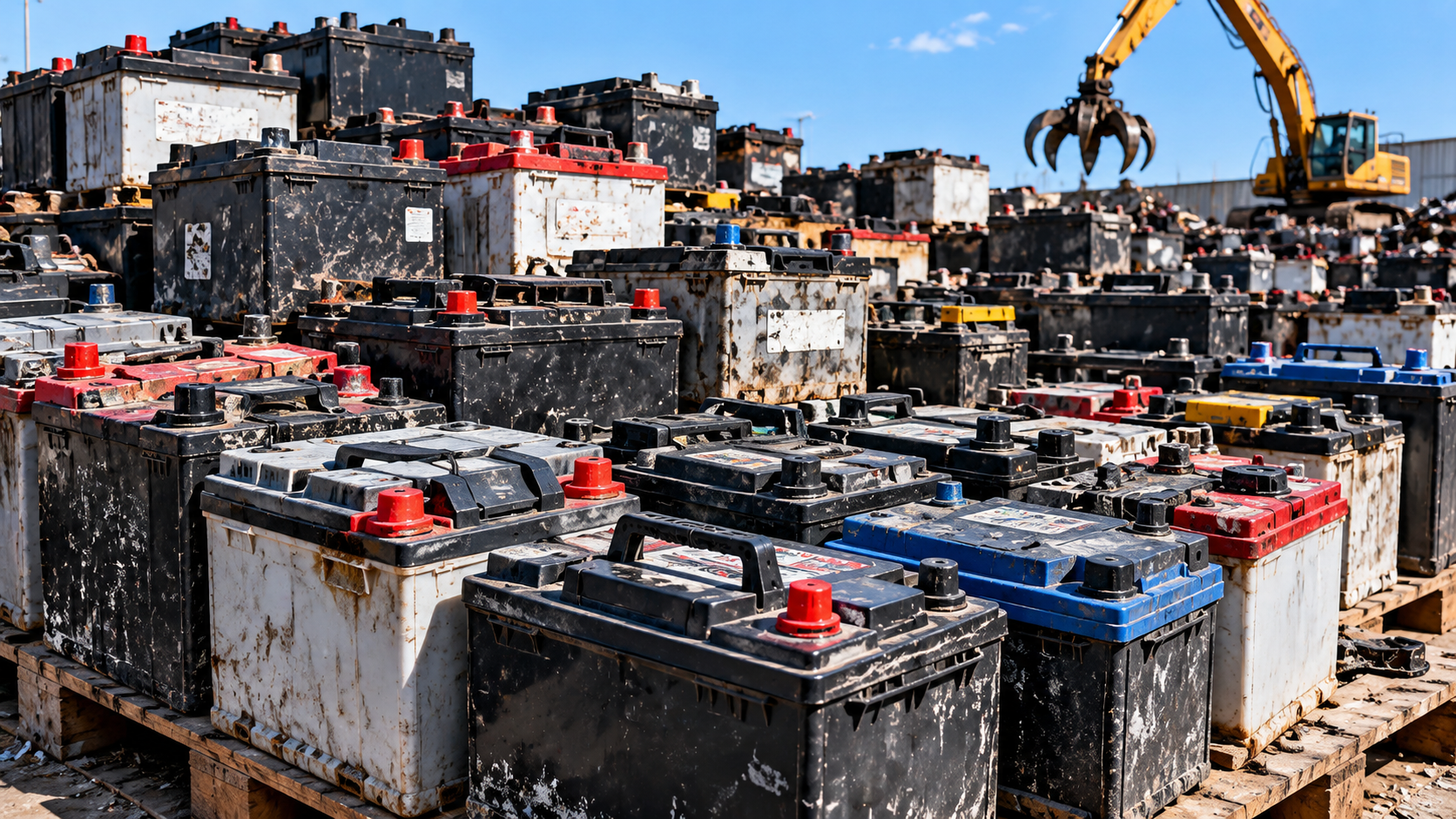
Battery Scrap›
Used automotive and industrial battery scrap.
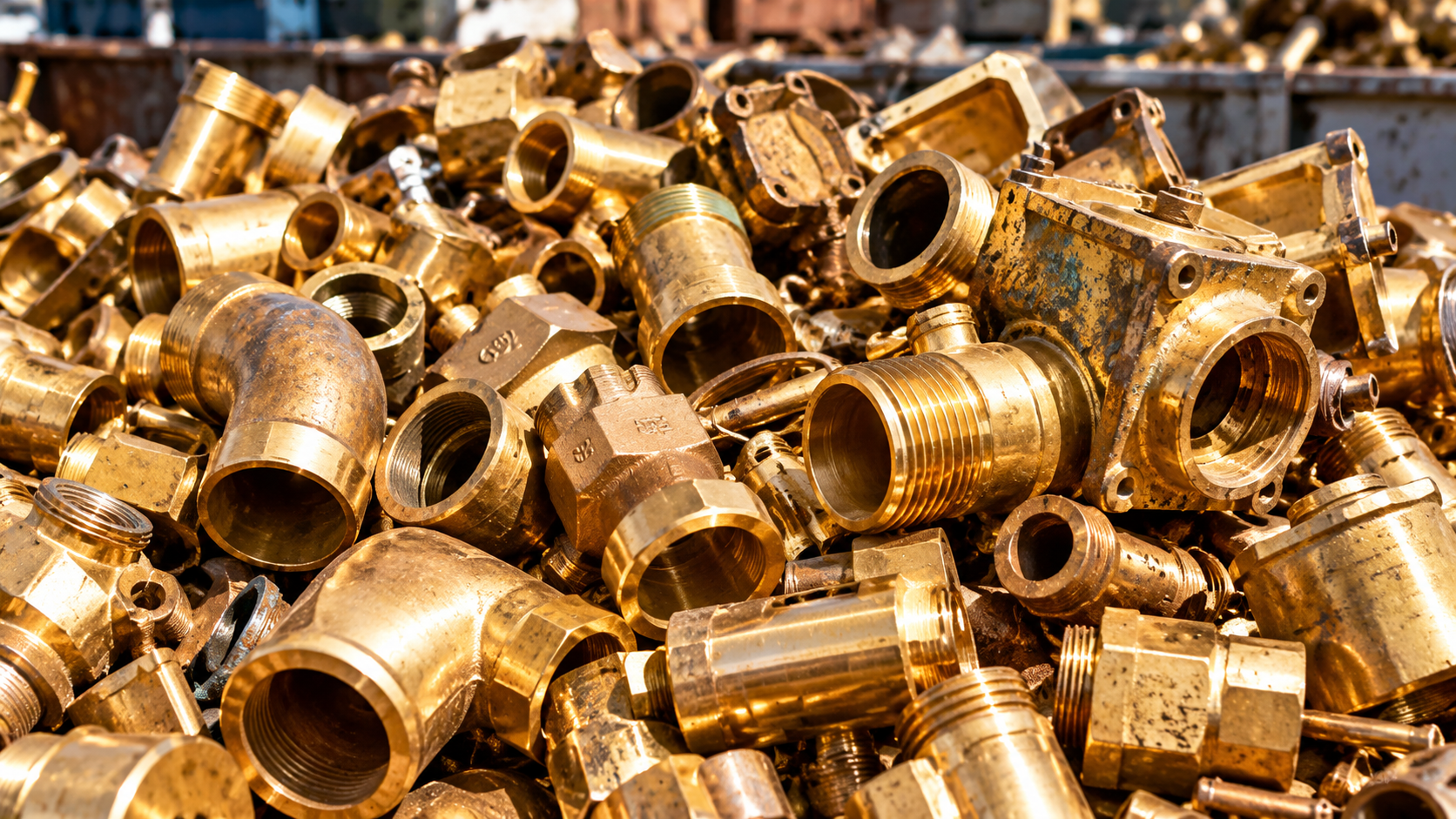
Brass Scrap›
Brass valves, fittings and mixed brass scrap.
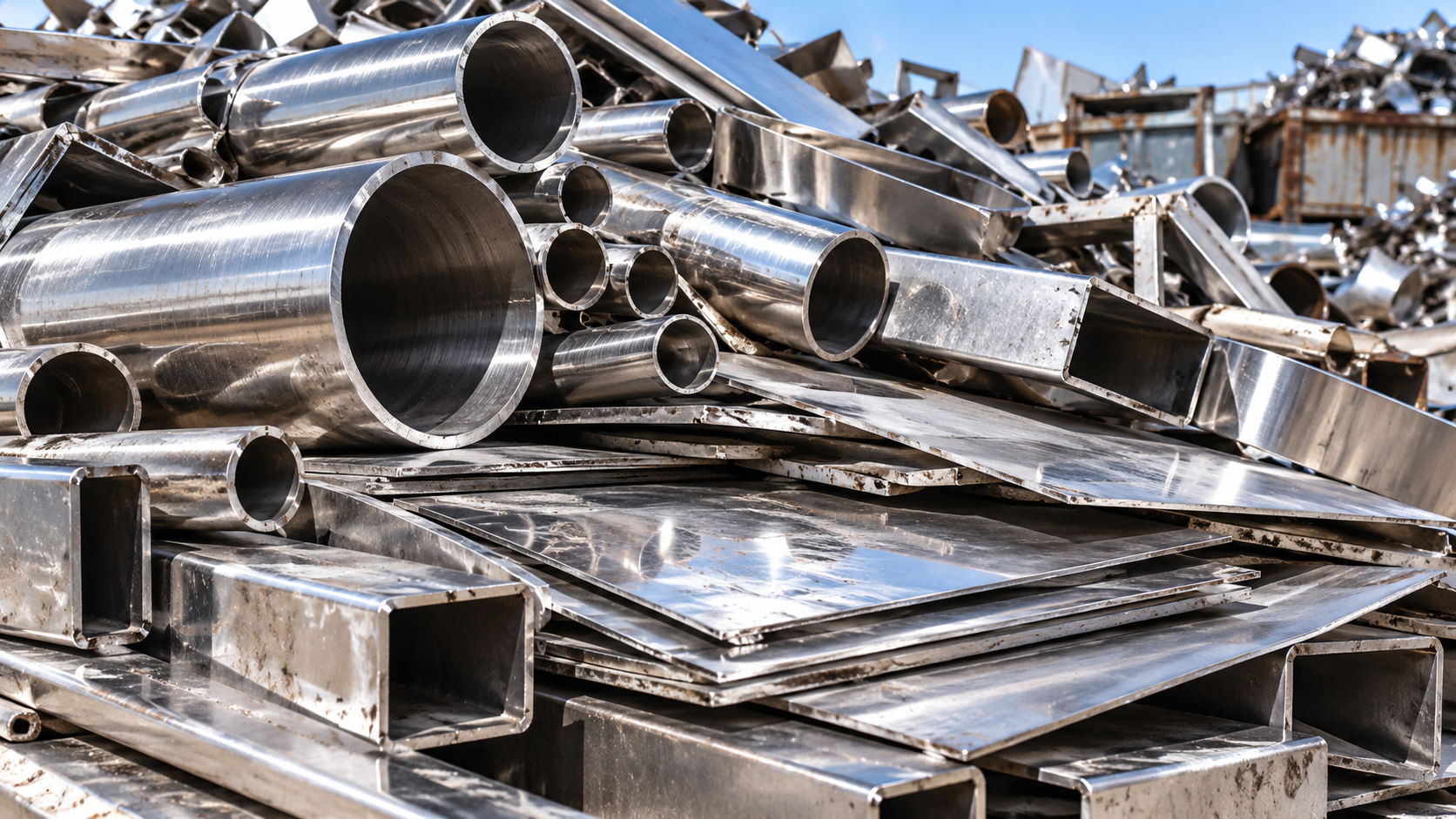
Stainless Steel Scrap›
Stainless steel pipes, sheets and industrial offcuts.
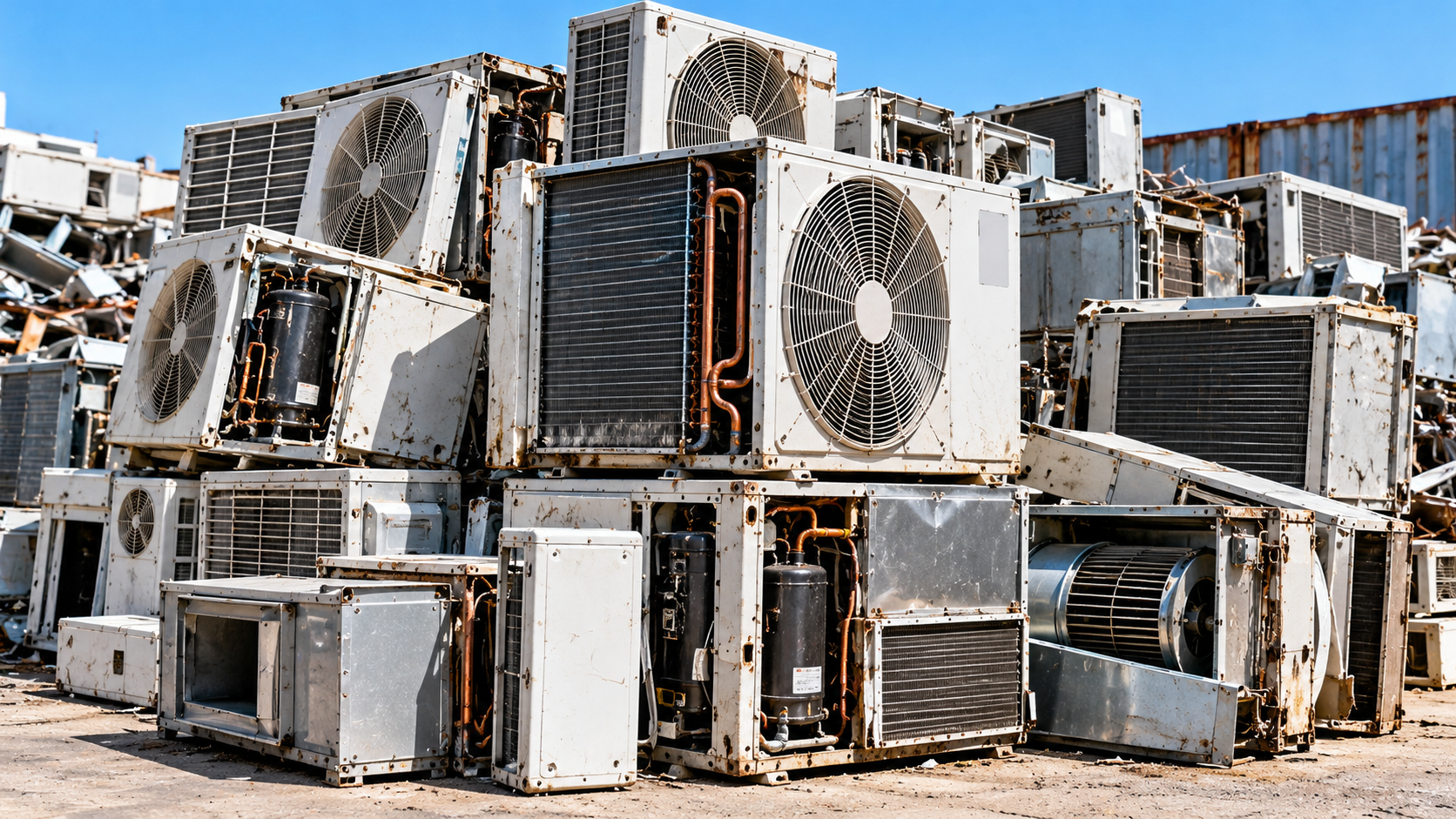
HVAC Scrap›
Used AC units, condensers and HVAC equipment.
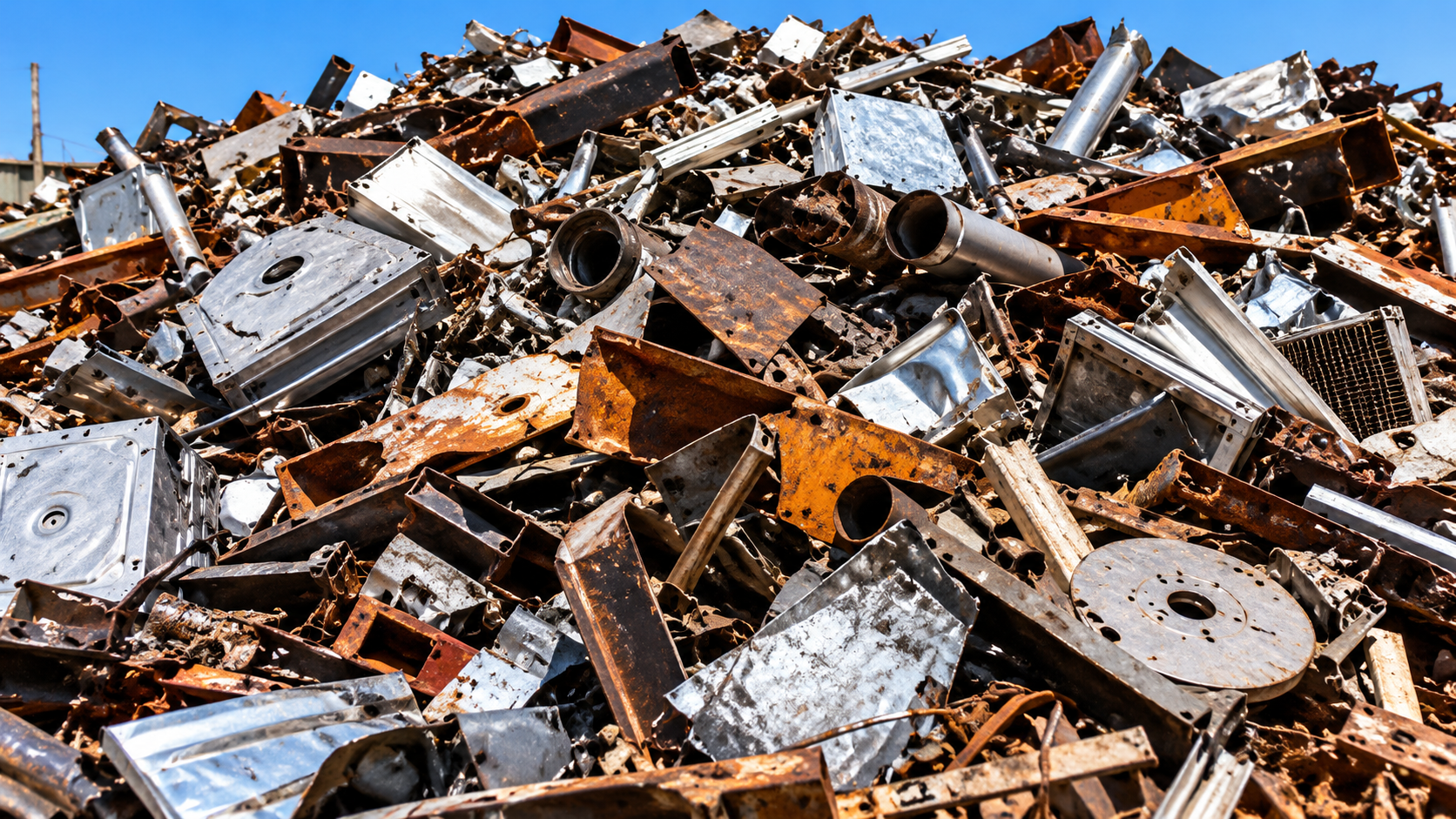
Other Scrap›
Mixed ferrous and non-ferrous industrial materials.
Why Choose Our Process?
Simple & Direct
Deal directly with our buying team. We explain each step and answer your questions before collection.
Fair Market Price
Competitive rates based on material quality, measured weight and current market conditions.
Accurate Weighing
A clear weighing process helps you understand the weight and how the final amount is calculated.
Free Site Visit
Contact us to confirm inspection and pickup arrangements for your site in Dammam and nearby areas.
Instant Payment
Cash or bank transfer after weighing, price confirmation and agreement on the transaction.
Professional Team
Support for individual sellers, factories, warehouses, contractors and industrial or commercial scrap projects.
Our Service Areas
Our scrap buying process in Dammam supports collections across the Eastern Province. Share your location to confirm a visit.
- Dammam (Main)
- Qatif
- Dammam Second Industrial City
- Ras Tanura
- Al Khobar
- Ras Al-Khair
- Dhahran
- Abqaiq
- Jubail
- Al-Ahsa
- Jubail Industrial City
- Other nearby areas

Frequently Asked Questions
What types of scrap do you buy?
We buy ferrous and non-ferrous scrap from individual sellers, workshops, warehouses, factories and project sites. Materials include copper, electrical cables, aluminum, iron and steel, brass, stainless steel, machinery, transformers, batteries and electronic equipment. Start by sending photographs and a short description of what you want to sell. Tell us whether the stock is loose, bundled, installed, dismantled or stored inside a building. Acceptance and the quotation depend on the actual material, its condition and the collection arrangements discussed with our team.
For copper and cable enquiries, show the exposed ends and the outer insulation where this can be done safely without cutting or disturbing equipment. Copper pipes, wire, sheets and busbars may need separate assessment because their composition and condition differ. For aluminum, mention whether the material consists of profiles, sheets, frames, coils or mixed offcuts. Keeping clearly identified batches separate can make the assessment easier. You do not need to guess an alloy number or promise a particular purity when that information is unavailable; simply describe what you know.
For iron, structural steel and stainless steel, share photographs of the overall batch and a few close views. Pipe lengths, plate thickness, attached fittings and the presence of other materials can affect handling and evaluation. If you have manufacturer markings, purchase records or an existing grade description, include those details. Stainless grades should be discussed using the information actually available. The process does not require you to present an uncertain grade as a confirmed fact. Our team can explain what further assessment may be needed before a final quotation.
Machinery and transformer enquiries need additional context. Tell us the equipment type, approximate dimensions, whether it remains connected and whether lifting or dismantling is required. Share existing nameplate details if accessible and relevant. Please describe batteries and electronic equipment separately from ordinary metal offcuts so we can discuss suitability and handling before arranging a visit. Do not open equipment, disconnect services or alter stored material merely to obtain a photograph. A clear overall image and an honest description are a useful starting point for the conversation.
The scrap buying process is easier when each batch has a practical description. An enquiry might say: aluminum window frames in one storage area, copper cable offcuts in several containers, and steel sections beside a loading entrance. Add approximate quantities and explain how those estimates were obtained. If you have only a rough volume, state that clearly. Photographs help us plan an assessment, but they do not establish the final weight or final sale value. Those details are discussed after the material and collection requirements have been reviewed.
For factory clearances and EPC project surplus, identify the person responsible for approving the sale and coordinating access. Separate materials belonging to different owners or work packages, and mention any items that must remain on site. Ask which records or descriptions our team needs before scheduling the collection. You can review the individual material pages linked above for more focused information, then contact us with the batches you actually have. This gives both sides a clear scope and avoids treating every item in a mixed storage area as part of the proposed sale.
Do you provide free site inspection?
We provide on-site scrap inspection. Contact our team to discuss a free site visit and share the material type, approximate quantity, photographs and collection location. These details help us understand the enquiry before confirming the visit. Tell us whether the stock is at a home, warehouse, factory, construction site or another location. Inspection and pickup arrangements are confirmed for the particular collection. A photograph-based discussion is a starting point; the site review helps establish the practical details that may not be visible in the images.
Prepare a short list of the batches you want assessed. Include the material description, storage position, estimated quantity and any available dimensions. You can group similar items together when that is already part of your normal storage arrangements. If moving the material would require equipment, staff or specialist work, explain this instead of moving it solely for the inspection. Mention material that is installed, covered, difficult to reach or mixed with items that are not for sale. Accurate context helps the team plan an appropriate visit.
Site access is an important part of the process. Share the entrance location and explain any gate arrangements, loading restrictions or visitor requirements. If the storage area is some distance from the entrance, describe the route. Let us know about stairs, narrow passages, restricted vehicle access or working-hour limits that affect collection planning. For industrial premises, identify the site contact who can show the material and discuss access. Share only the information needed to coordinate the visit, and arrange any required internal approval through your own organisation.
During the inspection, the discussion can cover material identity, visible condition, approximate volume, separation of batches and loading requirements. Ask how the quotation will be prepared, how the weight will be checked and what information remains to be confirmed. A visible pile size alone does not provide a reliable sale weight. If several materials are present, ask whether they will be assessed separately. Clear agreement at this stage helps prevent a later misunderstanding about which items were included or how a mixed batch was described.
For machinery, heavy sections or project clearances, discuss the handling requirements before committing to a collection time. Tell us about lifting access and any equipment that your site expects to provide. Make clear whether dismantling is already complete or must be discussed separately. Our team can then review the request and confirm the arrangements it can offer. An inspection appointment does not automatically mean that every lifting, transport or removal requirement has been agreed. These details should be included in the collection discussion so everyone understands the scope.
Before the team leaves, make a note of the next step. This may be a quotation discussion, further photographs, a weight check or coordination with the person who approves the sale. Confirm the contact details to use if the material quantity or site conditions change. If you add another batch later, send its details rather than assuming it was included in the first assessment. This approach keeps the scrap buying process straightforward: describe the stock, review it on site, discuss the basis of the offer and confirm the practical arrangements before collection proceeds.
How is the payment process done?
Payment is arranged by the agreed method, including cash or bank transfer, after the material assessment, measured weight and final price have been confirmed. Our team uses digital weighing and explains the quantity assessment with you. The total depends on the material grade, condition, weight and the quotation agreed for the transaction. A general market indication or an estimate from photographs is not the same as a confirmed payment amount. Ask for clarification about the basis of the offer before you approve the sale or collection arrangements.
Start by distinguishing an estimated quantity from a measured quantity. Your initial enquiry may use a rough weight, a container count or an approximate volume. Those details help with planning, but the final assessment should identify the material and the weight used in the calculation. If containers, pallets, packaging or attached non-metal components are involved, discuss how they will be treated. Ask about any proposed deductions and the reason for them. The aim is for you to understand the quantity being purchased and the calculation supporting the agreed total.
When more than one material is sold, discuss whether the batches will be weighed and priced separately. Copper cable, aluminum profiles, steel sections and mixed machinery parts may have different assessment factors. Keeping an agreed description for each batch makes the transaction easier to follow. If a quantity changes after the initial discussion, confirm the revised basis of the offer. You can ask the team to explain the unit used for the price and how that relates to the measured quantity. Avoid comparing amounts that use different materials, units or collection assumptions.
For cash payment, confirm the final amount and who is authorised to receive it. For bank transfer, agree the payment arrangements directly with the team and check the recipient details through the communication channel you are already using for the transaction. You do not need to publish bank information in a general quotation request or attach it to photographs of the scrap. If your organisation requires particular payment references or approval steps, mention those requirements before collection. This allows the commercial discussion and site arrangements to be coordinated together.
Businesses may also have internal requirements for quotations, invoices, handover records or other transaction documents. Tell us what your company needs and ask which records can be provided for the agreed sale. The required information can depend on the transaction and your own record-keeping procedures. Do not assume that a particular document, tax treatment or certification applies simply because it appears in an example from another business. Discuss the actual requirement with the appropriate person in your organisation and our team before confirming the collection.
Finish the payment process by checking that the material description, measured quantity, agreed price and payment method correspond to the transaction you approved. Keep the records needed for your own purposes and identify a contact for any follow-up question. If something is unclear, raise it before proceeding rather than relying on an earlier rough estimate. Our six-step approach connects the assessment, weighing, price confirmation, payment and pickup discussion so that each stage has a clear basis. Contact the team with your actual batch details to discuss a quotation and the arrangements for your sale.
Which areas do you cover in Dammam?
We arrange scrap assessment and pickup across Dammam and the Eastern Province, including Al Khobar, Dhahran, Jubail, Qatif, Ras Tanura, Ras Al-Khair, Abqaiq and Al-Ahsa. Send your collection location with the material description and approximate quantity so our team can discuss availability and suitable arrangements. Coverage of an area does not establish a particular arrival time for every enquiry. The practical plan depends on the stock, site access, handling requirements and the collection time agreed with you. Confirm these details before preparing the site for a vehicle arrival.
A useful location message includes the city, district, site name if relevant, and a map pin for the entrance used by visitors or collection vehicles. A large factory or project may have several entrances, so explain which one should be used. Add a short description of where the stock is stored after entry. If access must be coordinated with reception, security or a warehouse contact, tell the team who will handle that discussion. Avoid assuming that the nearest map marker identifies the correct loading point for your particular collection.
For Dammam industrial locations, explain any restrictions affecting the route to the material. The same applies to warehouses, workshops, commercial properties and residential collection points in other Eastern Province cities. Relevant details can include a narrow entrance, limited loading space, working-hour restrictions or a requirement to arrange visitor access. You do not need to predict the exact transport solution yourself. Share the conditions as accurately as possible so the team can review what is required and confirm the collection arrangements appropriate to the enquiry.
If material is stored at more than one address, list each location separately. Give the approximate quantity and material type at each site rather than combining everything into a single figure. A small batch at a workshop and a larger batch at a factory may need different coordination. Let us know whether the same person can approve the sale and provide access at both addresses. The process should establish which locations are included and how visits will be scheduled; a quotation for one site should not be assumed to cover another address automatically.
Contact us again if the location, quantity or access conditions change after the first discussion. New stock, a moved storage area or a different site contact can affect the collection plan. If you have a preferred date or a project deadline, explain it at the enquiry stage and ask the team to confirm what can be arranged. Keep the proposed time distinct from a confirmed appointment. This makes it easier for your staff to prepare the relevant material, arrange access and coordinate normal site operations around the agreed visit.
Before pickup, review the material scope, meeting point, site contact and any agreed handling arrangements. Confirm the approach to weighing, price agreement and cash or bank payment as part of the same conversation. Keep items that are not for sale clearly identified and mention any outstanding questions. You can use the Call Now or WhatsApp buttons on this page to begin the discussion. Whether your stock is in Dammam, a nearby city or another Eastern Province location, clear information helps turn the initial enquiry into a practical assessment and collection plan.
For general information about recycling, visit the National Center for Waste Management.