Guide to Removing Old Industrial Machinery in Dammam
Decommissioning large industrial equipment is a specialist task that affects safety, costs and environmental outcomes. For many operations in the Eastern Province, proper machinery scrap removal Dammam is the fastest way to free floor space, recover metal value and ensure responsible recycling. This guide walks factories, warehouses, contractors and facility managers through six practical steps to handle machinery scrap safely and efficiently in Dammam and nearby industrial areas.
Why choose professional handling for machinery scrap removal Dammam?
Large machinery contains heavy metal components, fasteners, motors and sometimes hazardous fluids. Professional teams reduce risk by using correct lifting gear, following local safety practices and separating metals for recycling. A specialist provider can also help with onsite weighing, documentation and arranging transport to licensed recycling facilities, reducing downtime for your operations.
6 Easy, Essential Steps for machinery scrap removal Dammam
-
1. Plan and assess the scope
Identify which machines will be removed, estimated weights, access routes and any utilities to disconnect. Early planning avoids delays from blocked doors, narrow gates or suspended ceilings. Record serial numbers, and any attached non-metal components that require separate disposal.
-
2. Isolate hazards and drain fluids
Before cutting or moving, drain oils, coolants and compressed-air lines safely. Tag out energy sources and confirm isolation with your maintenance team. This reduces spill risk and makes subsequent recycling processes safer and more efficient.
-
3. Dismantle into transportable sections
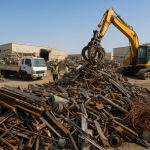
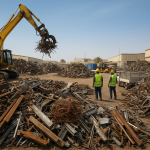
Skilled technicians dismantle heavy machinery into manageable parts using cranes, forklifts and cutting tools where necessary. Proper separation of steel, aluminum and copper improves recycling value and reduces sorting time at the processing facility.
-
4. Sort and document materials
Sort metals on-site by type (iron, steel, copper, aluminum, stainless). Keep paperwork that identifies material types and weights — this helps with accurate reporting and simplifies the recycling chain.
-
5. Secure transport and loading
Load metal onto appropriate vehicles and secure it to prevent shifting during transit. Confirm permits and weight limits for local roads if you anticipate oversized loads. Professional scrap collectors provide suitable trucks and tie-downs to meet these needs.
-
6. Recycle and close out
Deliver separated metals to authorised recycling facilities where materials are processed for reuse. Request documentation on recycling or recovery to meet corporate sustainability goals and keep audit trails for environmental reporting.
Materials commonly encountered and how they’re handled
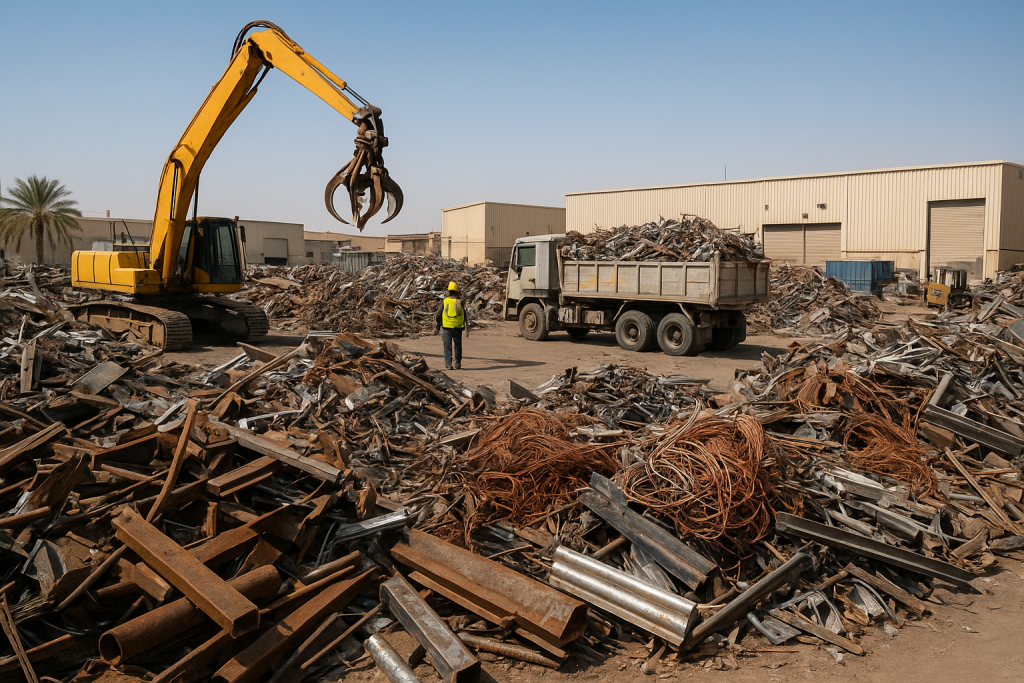
Industrial machinery scrap typically contains steel frames, iron castings, copper wiring, aluminum housings, stainless components and electric motors. Motors and wiring often require specific handling to recover copper efficiently. Separating these materials on-site speeds up processing and increases recovery rates for recyclable metals.
Benefits of professional scrap handling
- Reduced onsite risk through trained crews and correct lifting equipment.
- Faster turnaround and minimized production downtime.
- Better material recovery via correct sorting and preparation.
- Regulatory and environmental compliance, with documentation to support sustainability reporting.
Environmental and recycling advantages
Recycling metal saves energy and raw materials compared with primary production. Responsible removal and recycling lower landfill use and support the circular economy. For broader sustainability guidance, consult the UN Environment Programme, which outlines international best practices for waste reduction and resource recovery.
Local considerations for Dammam and the Eastern Province
Operations in Dammam should account for hot, dry conditions, heavy industrial traffic and site access constraints in older industrial estates. Nearby ports and industrial hubs such as Khobar, Dhahran and Jubail can influence transport routes. Choose a local provider familiar with Eastern Province logistics to streamline permits and truck routing. For an initial assessment, Metal Scrap Dammam offers tailored site inspections—see our Metal Scrap Dammam services for details.
Who should use this service?
This guide is aimed at factories, warehouses, construction contractors, workshops, facility managers and commercial businesses preparing to decommission machinery or clear industrial space. Households with large metal items and property managers organizing building clearances may also benefit from professional help.
Four common FAQs
Q1: What types of machinery do you accept?
A: Most industrial machines — lathes, presses, conveyors, compressors, motors and structural steel — are accepted. Non-metal materials are handled separately and documented.
Q2: Will you provide onsite weighing and documentation?
A: Professional collectors typically provide weighing records and material breakdowns to support your internal reporting and recycling claims.
Q3: Are hydraulic fluids and oils a problem?
A: No — experienced crews drain and capture fluids following safe handling procedures and applicable local guidelines before cutting or transporting machinery.
Q4: How does recycling benefit my company?
A: Recycling reduces disposal costs, recovers material value and supports corporate sustainability goals by lowering demand for virgin metal production.
Conclusion
Following the six steps above will help you complete a secure, compliant and efficient machinery scrap removal Dammam project while maximising metal recovery and minimising disruption. For site assessments, pickup scheduling and advice on compliance, contact Metal Scrap Dammam. Call or WhatsApp +966532510699, email info@metalscrapdammam.com, or visit our homepage to request a quote and arrange collection.