AC Scrap Preparation Checklist Saudi Arabia for Decommissioned Units
The AC scrap preparation checklist Saudi Arabia sellers need should cover more than visible metal. Before decommissioned air-conditioning units are assessed, sellers should record the equipment, confirm its refrigerant status, identify major components, separate suitable material, and explain site access. These details help a buyer understand the scope without relying on assumptions about weight, condition, or recoverable metal.
This guide is intended for companies, facility managers, contractors, workshops, warehouses, and industrial sites preparing their own HVAC scrap in Dammam. For business and contact details, visit Metal Scrap Dammam information.
What Is Inside a Decommissioned AC Unit?
Air-conditioning equipment is mixed-material scrap rather than one uniform metal grade. Construction varies between split units, window units, packaged systems, chillers, air handlers, and outdoor condenser units. A visual inspection may identify the main assemblies, but material composition should not be assumed from appearance alone.
- Heat-exchange coils: Often made with copper tubing and aluminum fins, although some designs use aluminum throughout.
- Copper lines: Refrigerant tubing and connecting pipework may provide a recognizable non-ferrous fraction.
- Steel sections: Casings, frames, brackets, fan guards, and fasteners are commonly ferrous.
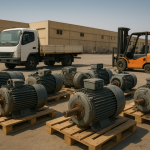
- Compressors and motors: These are mixed assemblies containing housings, windings, shafts, oil, and other components.
- Electrical parts: Cables, contactors, circuit boards, capacitors, controls, and plastic enclosures require separate identification.
A magnet can help distinguish many steel parts from non-ferrous metal, but it does not establish an exact alloy or grade. Avoid destructive testing when refrigerant circuits, capacitors, oil-filled components, or sharp coil fins may still present a risk.
AC Scrap Preparation Checklist Saudi Arabia: Seven Practical Checks
- Confirm ownership and define the disposal scope. Record which units belong to the seller and have been approved for disposal. Separate scrap-designated equipment from operational units, spare parts, leased assets, and items awaiting maintenance. Asset numbers or internal release references can prevent confusion during assessment and removal planning.
- Complete technical decommissioning first. Electrical isolation, refrigerant recovery, and disconnection should be handled by appropriately qualified personnel. Record whether each circuit has been emptied, disconnected, or left sealed. Do not cut refrigerant lines merely to make an outdoor unit smaller or easier to move.
- Control residual fluids and stored energy. Compressors may retain oil, while capacitors may hold an electrical charge. Keep service ports capped where practical, stabilize loose components, and report leaks or damaged circuits. Equipment with uncertain refrigerant, oil, or electrical status should remain clearly segregated for review.
- Identify units and major components. Group equipment by type, such as condensers, indoor units, packaged systems, compressors, coils, motors, or loose copper pipe. Note whether coils appear to be copper-aluminum or aluminum, but label uncertain material as unverified rather than assigning a definite grade.
- Remove only safe, obvious contamination. Loose packaging, general rubbish, filters, and detachable non-metal items may be separated when this can be done safely. Do not burn insulation, strip live cable, puncture compressors, or damage coils. Excessive dismantling can increase risk and make component identification harder.
- Create an accurate seller inventory. List the unit count, equipment type, manufacturer and model where visible, approximate dimensions, condition, decommissioning status, and location within the site. Current photographs can show identity and access, but photographs should not be used to estimate weight by themselves.
- Plan access and loading requirements. Explain the floor level, travel route, door and gate dimensions, stairs, lifting restrictions, parking limits, and site-security procedures. Identify units that remain on roofs, platforms, or inside plant rooms. The buyer can then discuss suitable collection and removal arrangements with the seller.
Using this AC scrap preparation checklist Saudi Arabia businesses can present a clearer scope while keeping technical decommissioning separate from scrap sorting. It also reduces uncertainty about which party is expected to disconnect, move, or load each item.
Factors That Can Affect Scrap Assessment
For the AC scrap preparation checklist Saudi Arabia users follow to be useful, it should record the factors that influence evaluation. There is no single rate that applies to every complete AC unit or HVAC component.
- Material composition: Copper-bearing coils, aluminum coils, steel housings, cables, motors, and compressors are assessed differently.
- Separation: Clearly sorted components can be easier to identify than mixed units combined with unrelated waste.
- Condition: Corrosion, burned parts, crushed coils, leaks, moisture, and missing components may affect classification.
- Contamination: Oil, refrigerant status, insulation, plastic, dirt, filters, and attached non-metal material are relevant.
- Quantity: An itemized count is more useful than a broad description such as several AC units.
- Removal needs: Roof access, restricted loading areas, dismantling needs, and internal transport routes can affect the collection scope.
Market conditions also change. Sellers seeking a current quotation should share accurate records and ask how weighing, deductions, separated grades, and collection requirements will be handled before confirming the transaction.
How an AC Scrap Enquiry and Collection Usually Works
A seller will usually begin by providing an inventory, current photographs, the site area, decommissioning information, and access details. A buyer may then ask questions about coil types, loose compressors, refrigerant status, loading support, or whether an assessment at the site needs to be arranged. Once the material scope and responsibilities are understood, the parties can discuss quotation terms, timing, movement routes, and collection options.
Before removal, it helps to nominate a site contact and confirm internal requirements such as gate access, inductions, work-area restrictions, and approved collection windows. Keep the scrap grouped as described in the inventory. Companies can use the industrial scrap seller enquiry route to share details for discussion.
Preparing HVAC Scrap in Dammam
A practical AC scrap preparation checklist Saudi Arabia companies use in Dammam should account for industrial access as well as material value. Units may be located in plant rooms, warehouses, workshops, commercial buildings, or industrial compounds where internal movement requires coordination. Dust, outdoor storage, tight service areas, and rooftop installation can also affect condition and handling.
Metal Scrap Dammam serves Dammam and the Eastern Province. When making contact, provide the Dammam site area, the number and type of units, whether technical decommissioning is complete, and any access restrictions. Secondary locations should be stated only when they are genuinely part of the material or collection scope.
Responsible Handling and Recycling Context
The AC scrap preparation checklist Saudi Arabia sellers apply should keep controlled substances and mixed components in view. Refrigerants, compressor oil, electronic controls, capacitors, and insulated wiring should not be treated as ordinary loose metal. Ask the relevant buyer and technical contractor what preparation and documentation may be required for the specific equipment.
Recovering usable metals can support resource conservation when materials are managed appropriately. The UN Environment Programme provides broader information about environmental responsibility, waste reduction, and sustainable material management.
Frequently Asked Questions
Can Refrigerant Tubing Be Cut Before an AC Unit Is Assessed?
It should not be cut while the refrigerant status is uncertain. Electrical isolation, refrigerant recovery, and circuit disconnection should be handled by appropriately qualified personnel. Record who completed the technical work and whether the circuit was left sealed, capped, or fully disconnected.
Should Coils and Compressors Be Removed from the Casing?
Not automatically. Separation can make materials easier to identify, but unnecessary dismantling may introduce sharp edges, oil leakage, stored electrical energy, or refrigerant risk. Ask how the buyer prefers the units presented before removing major assemblies.
What Records Are Useful When Requesting an AC Scrap Quotation?
Provide unit counts, equipment types, visible model details, approximate dimensions, decommissioning status, condition, component separation, and site access information. Include current photographs for identification and planning, but do not treat photographs as reliable evidence of weight.
Can Collection Options Be Discussed for an Industrial Site in Dammam?
Yes. Contact Metal Scrap Dammam to discuss the material, quantity, location, access route, loading considerations, and preferred collection arrangements. Timing and responsibilities should be confirmed for the specific site rather than assumed in advance.
Prepare a Clear AC Scrap Enquiry
Bring the AC scrap preparation checklist Saudi Arabia details together before requesting an assessment: equipment inventory, refrigerant status, material separation, condition, photographs, and access notes. Contact Metal Scrap Dammam to discuss your own decommissioned AC units, quantity, site access, and collection options.
Website: https://metalscrapdammam.com/
Call / WhatsApp: +966532510699
Email: info@metalscrapdammam.com
Related material information: our relevant scrap buying and preparation guide.