Iron Scrap Sorting Checklist Saudi Arabia: Preparing for an Industrial Quotation
Factories, workshops, contractors, warehouses, and facility teams can improve an industrial scrap enquiry by organizing their material before contacting a buyer. This iron scrap sorting checklist Saudi Arabia explains how to separate iron and steel, document condition and contamination, record quantities, and provide practical access details for a quotation in Dammam.
The objective is not to determine a final price yourself. It is to give the buyer enough reliable information to understand what your company owns, what may require inspection, and how collection or loading could be coordinated. Clear preparation can also reduce confusion between ferrous scrap, non-ferrous metals, equipment, and general waste.
Why Sorting Matters Before Requesting a Quotation
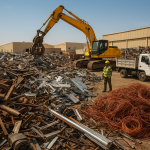
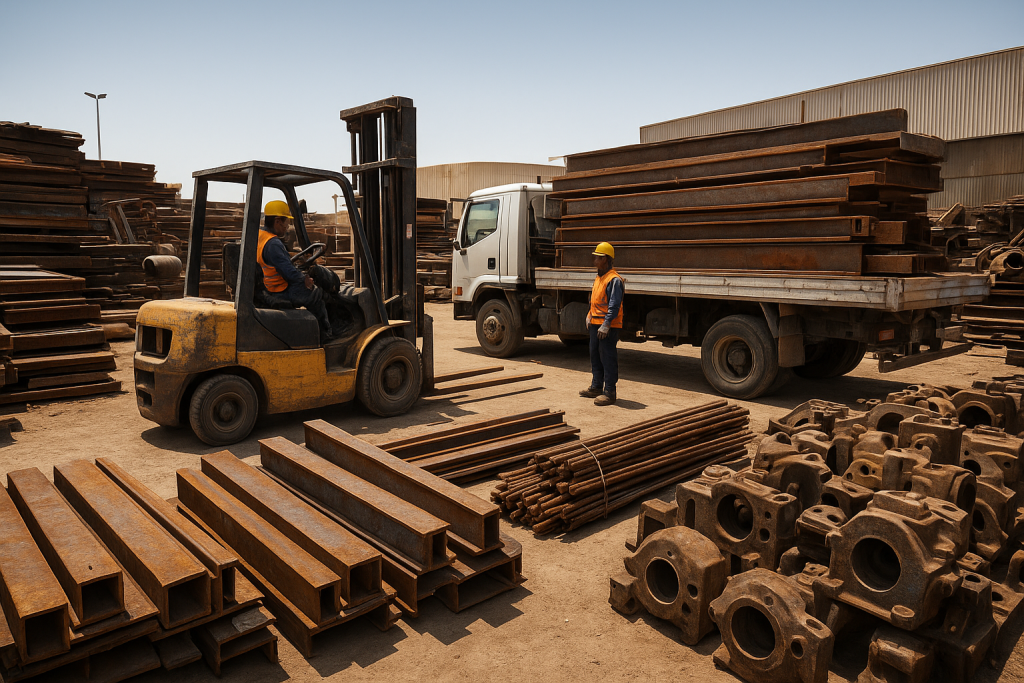
Iron scrap is a broad commercial description. A single industrial stockpile might contain structural steel, pipes, sheet, cast-iron components, rebar, machine parts, fasteners, and mixed assemblies. These items can differ in composition, dimensions, condition, recovery value, and removal requirements. Combining everything into one unsorted pile makes accurate evaluation more difficult.
Sorting also exposes issues that photographs may hide, such as concrete attached to rebar, insulation around metal, oil inside a component, non-metallic liners, or stainless and non-ferrous parts mixed with ordinary steel. Sellers do not need laboratory-level identification, but they should separate obvious categories and record any uncertainty rather than guessing.
7-Step Iron Scrap Sorting Checklist Saudi Arabia
Use the following seven steps to create a practical material record. Keep the information connected to the correct pile, container, production area, or asset so it remains useful during the quotation process.
- Confirm the source and ownership of the material. Record whether the scrap came from production offcuts, maintenance, obsolete company equipment, construction work, racking, pipe replacement, or another internal activity. Check that the material belongs to the selling company and has been approved for disposal through its own asset or procurement procedures.
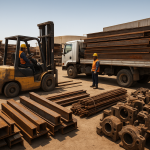
- Separate recognizable iron and steel categories. Place items such as structural sections, pipes, plate, sheet, rebar, cast-iron parts, and machining offcuts into distinct groups where practical. If a grade is known from purchase records, drawings, specifications, or equipment records, retain that evidence. Do not assign a precise grade based only on appearance.
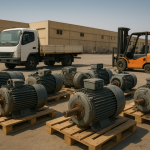
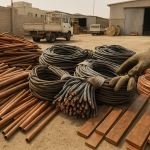
- Remove obvious non-ferrous metals and loose attachments. Copper cable, brass fittings, aluminum sections, electric motors, stainless components, rubber, wood, and plastic should not be assumed to be ordinary iron scrap. Separate clearly different materials when this can be done safely. A magnet can help with basic ferrous identification, but magnet response alone does not prove a specific steel grade.
- Identify contamination and potentially unsafe contents. Note oil, grease, paint, chemicals, insulation, soil, concrete, sealed vessels, sharp edges, or unknown residues. Do not open, cut, drain, or dismantle equipment unless the work is authorized and suitable controls are in place. Keep questionable material apart and ask what information or specialist handling may be required.
- Record condition, form, and dimensions. Describe whether the material is loose, bundled, stacked, attached to a structure, inside equipment, heavily corroded, oversized, or difficult to move. Include approximate lengths and the dimensions of unusually large pieces. This helps a buyer consider handling, loading space, and whether preparation may be needed before removal.
- Create a quantity record without guessing weight from photographs. Use available inventory records, known unit weights, calibrated weighing information, container counts, piece counts, or engineering documents where appropriate. Label estimates clearly. Photographs can show condition and arrangement, but they are not reliable evidence of weight and may not reveal dense or hidden material.
- Map access and loading requirements. Record where each group is stored, the route from the material to the exit, gate restrictions, floor or ground conditions, overhead limits, loading areas, and site induction requirements. Note whether the seller can provide loading support or needs collection options discussed. Do not assume that every truck or lifting method will suit the site.
After completing the iron scrap sorting checklist Saudi Arabia, compare pile labels with your photographs and inventory sheet. The same category name should appear consistently in the enquiry, photo captions, quantity record, and site map. Mark unknown items as unknown instead of placing them in a potentially incorrect grade.
Build a Useful Seller Record
A concise seller record is more valuable than a large folder of unexplained images. For each material group, include a reference number, source area, plain-language description, known grade if supported by records, condition, contamination, approximate dimensions, quantity basis, and current storage arrangement. Applying the iron scrap sorting checklist Saudi Arabia to this record gives procurement and facility teams a shared reference during discussions.
Take wide photographs showing the complete pile and closer views showing representative surfaces, attachments, corrosion, and mixed contents. Include an ordinary scale reference where safe, but avoid displaying confidential documents, employee details, vehicle plates, security systems, or unrelated operations. Existing or illustrative photos should not be presented as evidence of the seller’s current site or material.
Factors That Can Affect an Iron Scrap Quotation
A buyer will usually consider material type, known grade, purity, condition, contamination, total quantity, consistency of sorting, current market conditions, and collection or removal requirements. The iron scrap sorting checklist Saudi Arabia supports this evaluation by making those factors easier to review, but it does not establish a guaranteed rate or final value.
Oversized pieces, material fixed to foundations, mixed-metal assemblies, restricted access, or extensive non-metallic attachments may require more planning than clean and accessible production offcuts. Sellers should request clarification about the quotation basis, weighing method, deductions, loading responsibilities, and any documents expected from either party. Current prices should be discussed directly rather than copied from old enquiries or general online figures.
How Industrial Collection Coordination Generally Works
The process commonly starts with an enquiry containing the material record, photographs, quantity basis, site location, and access notes. A buyer may ask follow-up questions or state that further assessment is needed. The parties can then discuss sorting expectations, collection options, responsibilities, timing, loading arrangements, and how material quantity will be established.
Before removal, the seller should confirm internal approval, site contacts, security entry procedures, permitted access times, vehicle restrictions, and who is responsible for isolating equipment or clearing the loading route. If cutting, lifting, dismantling, or unusual transport is involved, clarify responsibilities before work is arranged. The seller’s site rules and applicable requirements should guide the plan.
Companies preparing an enquiry can review Metal Scrap Dammam information and use the industrial scrap seller enquiry page to describe their own material, quantity, and access conditions.
Responsible Handling and Recycling Preparation
Keeping iron and steel separate from rubbish, liquids, and unrelated materials supports more efficient recovery and reduces avoidable contamination. Protect sorted piles from new waste, label uncertain contents, and avoid mixing swept floor debris with identifiable metal. Safe storage should also prevent unstable stacks, obstructed routes, and exposed sharp pieces from creating unnecessary site risks.
Recycling metals can support resource conservation and waste reduction when material is managed through appropriate channels. The UN Environment Programme provides broader information about environmental responsibility and sustainable material management. Sellers should ask relevant parties about handling expectations for contaminated or unusual items.
Dammam and Eastern Province Considerations
Industrial sites in Dammam may have scrap stored across production buildings, maintenance zones, warehouses, yards controlled by the seller, or project areas. Using the iron scrap sorting checklist Saudi Arabia helps consolidate records even when material cannot immediately be moved into one place. Include the exact Dammam site area and practical gate instructions without publishing sensitive access information.
For material elsewhere in the Eastern Province, transport distance and site coordination may become relevant to the discussion. Metal Scrap Dammam serves Dammam and the Eastern Province, but sellers should confirm collection options for their particular location, material, quantity, and access conditions when requesting a quotation.
Frequently Asked Questions
How Can a Seller Distinguish Iron Scrap from Non-ferrous Metal?
Start with equipment records, material specifications, and the source of the item. A magnet can support basic identification because many common iron and carbon-steel items are magnetic, while aluminum, copper, and brass are not. However, some stainless grades respond differently, so uncertain items should be separated and described rather than guessed.
Does Rust Need to Be Removed Before Requesting a Quotation?
Light or moderate surface rust does not necessarily prevent an enquiry. Photograph and describe the condition accurately. Remove loose dirt or unrelated waste only when it is safe and practical. Heavy corrosion, scaling, trapped moisture, or material loss should be disclosed because condition may affect assessment.
Can an Industrial Quotation Be Based Only on Photographs?
Photographs are useful for showing material form, condition, sorting, and access, but they should not be used to estimate weight as if it were confirmed. Provide inventory data, piece counts, container information, known weights, or other available records. A buyer may request more details or further assessment before confirming quotation terms.
Which Access Details Should a Dammam Seller Provide?
State the material’s location within the site, gate and security procedures, loading-space dimensions, ground conditions, overhead restrictions, internal route limitations, and whether loading support is available from the seller. Mention attached, oversized, or elevated material. Share sensitive operational details directly rather than placing them in public photographs.
Prepare Your Iron Scrap Enquiry
Use the iron scrap sorting checklist Saudi Arabia to organize company-owned scrap, label uncertain material, document quantities responsibly, and explain site access before seeking a current quotation. Contact Metal Scrap Dammam to discuss your material, quantity, Dammam or Eastern Province location, access requirements, and collection options.
Website: https://metalscrapdammam.com/
Call / WhatsApp: +966532510699
Email: info@metalscrapdammam.com
Related material information: our relevant scrap buying and preparation guide.