Construction Site Scrap Removal: Practical Guide for Contractors in Dammam
Contractors working across Dammam face regular challenges turning construction scrap into a safe, compliant, and recoverable resource. This guide focuses on construction scrap removal Dammam with clear steps, site-ready practices, and local considerations to help projects run cleaner, safer and more cost-effectively.
Why organized construction scrap removal matters
Proper removal of metal waste improves site safety, reduces theft and delays, and supports recycling streams for steel, copper, aluminum and mixed industrial scrap. For contractors, a repeatable process for segregating, storing and arranging pickup minimizes disputes at handover and simplifies invoicing for disposal or materials recovery.
construction scrap removal Dammam: 7 Easy, Essential Steps
Follow these seven steps to create a dependable workflow for construction scrap removal Dammam on residential, commercial and infrastructure projects.
-
Step 1 — Plan and assign responsibilities
Start at pre-construction: identify expected metal waste streams (rebar, beams, offcuts, cable, ducting, fixtures) and assign clear responsibilities for onsite sorting, storage, and documentation. Appoint a site waste coordinator to track tonnage, photos and pickup requests.
-
Step 2 — Segregate scrap by material and condition
Segregation improves value and recyclability. Keep steel/iron separate from non-ferrous metals like copper and aluminum. Store rusty structural steel apart from clean sheet metal and labeled cable drums. Good segregation speeds onsite collection and simplifies weighing during handover.
-
Step 3 — Use safe, secure storage and containment
Designate fenced, covered storage zones away from pedestrian routes. Use heavy-duty bins, pallets, and marked skips for different metals. Secure copper and other high-value materials to reduce theft. Ensure storage complies with fire-safety and municipal regulations in the Eastern Province.
-
Step 4 — Document materials and request pickups
Track material types, approximate weights, and dates with simple logs and photos. When a container is ready, contact your preferred scrap partner to book collection. Clear records help when arranging payment for scrap buying or completing disposal certificates.
-
Step 5 — Arrange professional pickup and transport
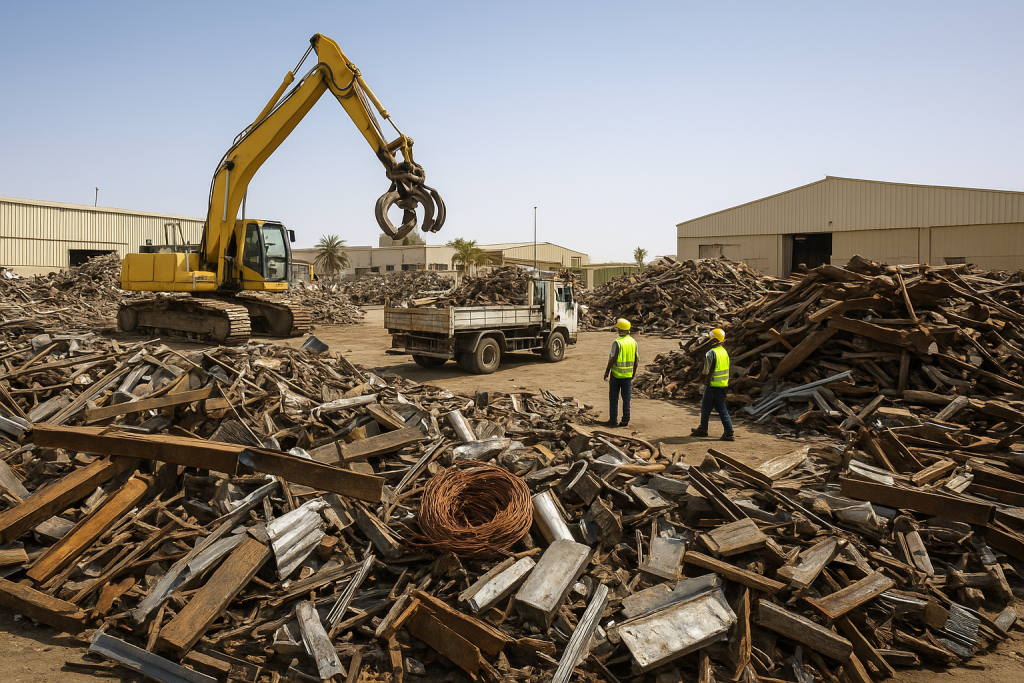
Use experienced collectors with suitable vehicles and lifting equipment. Professional pickup reduces site interruption and lowers risk during loading. Confirm the provider can handle mixed loads if segregation is partial, and that transport meets regional safety standards.
-
Step 6 — Verify weighing, receipts and chain-of-custody
At collection, ensure materials are weighed on certified scales and that you receive a clear receipt or weight ticket. Maintain these documents for project records, environmental reporting, and any recycling payments.
-
Step 7 — Prioritize recycling and reuse where possible
Maximize diversion from landfill by sending metal to licensed recyclers. Recovered steel, copper and aluminum return to industrial supply chains — reducing material costs and the project’s environmental footprint.
Common construction scrap materials and handling tips
Contractors will frequently encounter:
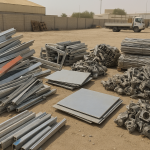
- Steel and iron: beams, rebar, channels — often heavy; bundle or stack for safe pickup.
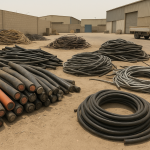
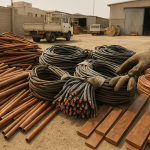
- Copper: cable, piping — high value; keep secure and free from contamination.
- Aluminum: frames, sheets — lightweight but must be kept clean for best recycling value.
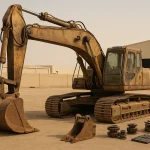
- Mixed assemblies: motors, fixtures and machinery parts — often require partial dismantling to separate metals.
How collection and payment generally work
A typical workflow involves the contractor notifying a scrap buyer or collector, arranging a vehicle and equipment, and meeting at site for loading. Materials are weighed and documented; depending on the arrangement, the contractor may receive payment for recyclable metals or the recycler may issue a disposal and recycling receipt. Clear record-keeping streamlines this process and reduces disputes.
For trusted local support, consider contacting Metal Scrap Dammam services to discuss site needs and collection logistics in Dammam and the Eastern Province.
Benefits of professional construction scrap removal
- Improved site safety and reduced trip and fire hazards.
- Faster project closeout with documented disposal and recycling records.
- Potential recovery of value from non-ferrous metals.
- Less administrative burden for contractors when collectors handle pickup and weighing.
Environmental and regulatory considerations
Recycling metal uses far less energy than producing primary metals and reduces landfill use. Working with registered recyclers helps meet environmental responsibilities and supports circular economy goals promoted by international bodies such as the UN Environment Programme. Contractors should also check municipal waste rules in the Eastern Province and maintain documentation for audits.
Local tips for projects in Dammam and the Eastern Province
Dammam’s industrial environment means many recyclers and scrap buyers operate nearby. Schedule collections to avoid peak traffic windows and consider centralizing storage on larger projects to minimize repeated lift operations. For projects near Khobar or Dhahran, coordinate early to access appropriate vehicles and forklifts for heavy loads.
Frequently asked questions
1. What materials are accepted for construction scrap removal Dammam?
Most collectors accept steel, iron, copper, aluminum, stainless steel and certain machinery parts. Hazardous or contaminated items may need special handling; check with your collector.
2. How should copper cable be prepared for pickup?
Strip insulation where possible, or keep cable separate and secure. Clean copper typically yields better recycling outcomes and reduces inspection delays at the weighbridge.
3. Can a contractor get paid for scrap collected from a construction site?
Yes—non-ferrous metals often have resale value. Payment depends on weight, material type and the buyer’s policies. Maintain clear weighing records.
4. How can I ensure safe loading during collection?
Keep storage areas clear of personnel during loading, use appropriate lifting equipment, and follow site PPE and traffic-control plans. Discuss loading procedures with the collector before arrival.
Conclusion and next steps
Integrating reliable construction scrap removal Dammam procedures into your project plan reduces risk, supports recycling, and simplifies project closeout. For tailored collection options, pickups and material advice in Dammam and across the Eastern Province, contact Metal Scrap Dammam.
Call or WhatsApp: +966532510699 — Email: info@metalscrapdammam.com — Visit: Metal Scrap Dammam services