Planning industrial turnaround scrap removal Dammam During a Shutdown
Industrial shutdowns generate concentrated volumes of steel, stainless steel, cable, equipment components, and mixed maintenance waste within a limited work window. Effective industrial turnaround scrap removal Dammam requires more than placing metal in an open area. Factories, maintenance contractors, facility managers, and procurement teams need a coordinated plan for identifying materials, separating grades, controlling access, evaluating recoverable metal, and scheduling removal around critical work.
Why Scrap Planning Matters During an Industrial Turnaround
A turnaround may involve pipe replacement, valve servicing, equipment upgrades, structural repairs, electrical work, tank maintenance, or removal of obsolete machinery. These activities can produce scrap at several work fronts simultaneously. Without a defined collection system, valuable non-ferrous metal may become mixed with carbon steel, insulation, packaging, oily residues, or general waste.
Early planning helps keep laydown areas usable and gives the scrap buyer clearer information about the material. It also reduces unnecessary rehandling. The site operator, turnaround team, contractors, and collection provider should understand who authorizes release, where approved scrap will be stored, and when loading can occur.
6 Essential Steps for industrial turnaround scrap removal Dammam
The following six steps create a practical workflow without interfering with maintenance priorities or site controls.
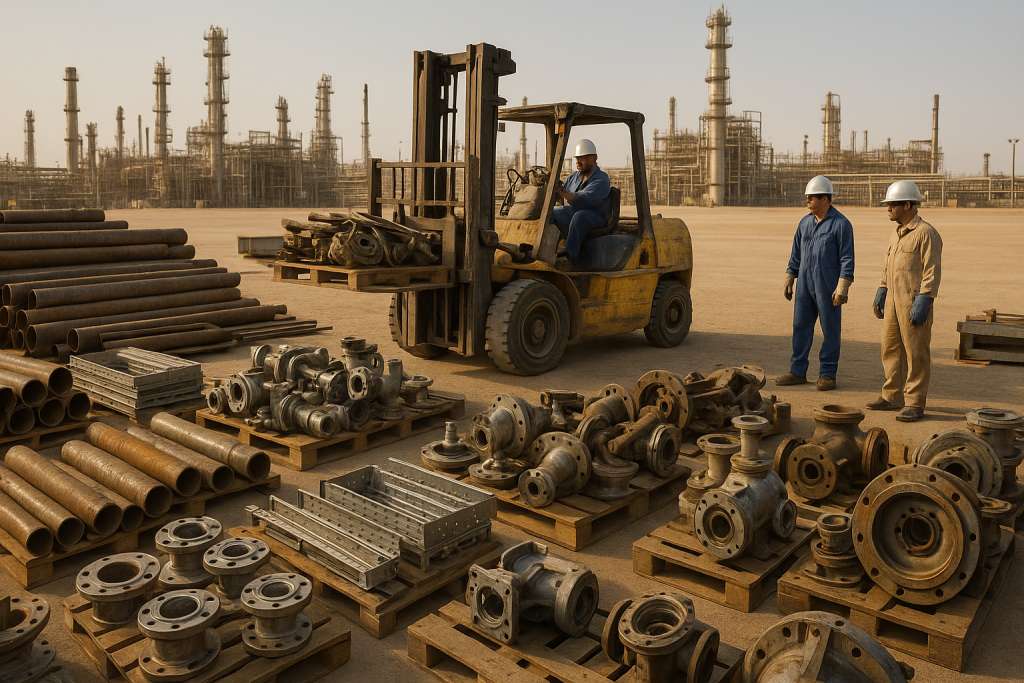
- Define the expected scrap scope. Review work packages and identify which activities are likely to release metal. Typical sources include removed pipework, flanges, valves, supports, cable, trays, motors, pumps, heat-exchanger parts, damaged sheets, and equipment housings. Estimated quantities do not need to be exact, but the collection provider should understand the likely material mix and size range.
- Confirm ownership and release procedures. Industrial sites commonly require scrap to be inspected and formally released before it leaves the premises. Separate approved scrap from reusable spares, tools, rented equipment, and assets awaiting technical review. Clear responsibility prevents valuable or operationally important items from entering the scrap stream by mistake.
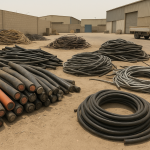
- Separate metals at the source. Keep carbon steel and iron apart from stainless steel, aluminum, copper, brass, and insulated cable wherever practical. Magnets can assist with basic ferrous identification, but they do not determine every alloy grade. Marked containers or designated bays make visual checks, assessment, and loading more efficient.
- Plan access and loading. For industrial turnaround scrap removal Dammam, loading arrangements should reflect gate rules, vehicle routes, work permits, crane restrictions, pedestrian controls, and available space. Identify whether long pipe, heavy components, loose offcuts, or bulky machinery will require cutting, lifting equipment, suitable containers, or staged collection.
- Inspect condition and contamination. Check whether materials contain oil, process residue, insulation, rubber, plastic, concrete, wood, or attached non-metal parts. Closed vessels, cylinders, pressurized components, and equipment containing fluids require appropriate site handling before scrap collection. Do not assume that every removed item is immediately ready to transport.
- Schedule assessment and handover. Share material descriptions, photographs, approximate quantities, dimensions, access details, and the required collection period. Confirm the approved loading point and site contact. At handover, keep available documentation aligned with the site’s asset-release, weighing, and transport procedures.
Common Scrap Materials from Turnaround Work
A shutdown can release several metal categories, each with different preparation and evaluation considerations:
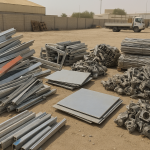
- Carbon steel and iron: pipe, plates, beams, brackets, supports, tanks, and equipment frames.
- Stainless steel: process pipe, fittings, valves, sheets, and corrosion-resistant equipment parts.
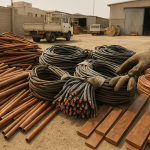
- Copper and brass: cable conductors, busbars, tubing, terminals, valve bodies, and selected fittings.
- Aluminum: cable, trays, profiles, panels, covers, and lightweight structural components.
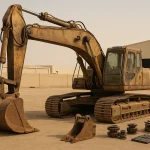
- Electrical and mechanical items: motors, pumps, gear units, control panels, and damaged machinery components.
- Mixed fabricated assemblies: equipment containing several metals plus rubber, plastic, insulation, or residue.
Sorting should match the project’s available time, labor, and space. Cleanly separated materials are easier to identify than mixed loads, but dismantling must not create additional hazards or delay the turnaround. When uncertain, provide photographs and equipment details before cutting or disassembly.
How Turnaround Scrap Is Evaluated
An assessment for industrial turnaround scrap removal Dammam may consider metal type, alloy or grade, quantity, condition, contamination, sorting quality, component size, and current market conditions. Collection requirements also matter. Loose offcuts in an accessible bay involve different handling from long pipe, heavy machinery, or material distributed across several controlled work areas.
No responsible quotation should rely only on a broad description such as mixed metal. Useful information includes visible grade markings, previous equipment function, approximate dimensions, photographs, estimated volume, and whether non-metal attachments remain. Final weighing or quantity verification should follow the agreed collection and site-release process.
Local Planning for industrial turnaround scrap removal Dammam
Dammam’s industrial environment includes factories, workshops, warehouses, fabrication operations, and process facilities with strict operating schedules. Turnaround collection should therefore be planned around gate access, traffic flow, contractor activity, restricted areas, and the availability of lifting or loading equipment. Eastern Province heat and dust also make orderly staging important for workers inspecting and handling material outdoors.
Contact a local buyer before the shutdown reaches its busiest phase. Through Metal Scrap Dammam services, site teams can discuss the material list, photographs, access conditions, sorting status, and proposed collection window. Supplying accurate information helps determine what additional assessment may be needed.
Responsible Handling and Recycling
Recovering metal from shutdown work keeps reusable resources in circulation and can reduce the volume directed into general waste channels. Responsible recycling begins with correct identification, controlled release, removal of inappropriate contamination, and delivery to a suitable recycling stream. Guidance from the UN Environment Programme also highlights the wider importance of resource efficiency and sustainable material management.
Site procedures remain essential. Scrap should not be removed from process areas until it is safe, authorized, and prepared according to the facility’s requirements. Environmental responsibility does not replace controls for residual fluids, hazardous substances, pressurized items, or confidential equipment.
Frequently Asked Questions
What scrap is commonly collected during an industrial turnaround?
Common materials include steel pipe, structural sections, stainless fittings, cable, copper components, aluminum trays, valves, pumps, motors, equipment frames, and machinery parts. Acceptance depends on material identity, condition, contamination, dimensions, and the practical requirements for handling and transport.
Should every metal type be separated before collection?
Separate ferrous metal, stainless steel, copper, brass, aluminum, and insulated cable when practical. Avoid mixing scrap with general waste, insulation, wood, or liquids. If space or timing prevents complete sorting, explain the load composition and provide clear photographs for assessment.
What access information is needed for turnaround scrap pickup?
Provide the loading location, gate procedure, vehicle restrictions, site working hours, approximate material dimensions, and available lifting arrangements. Mention whether scrap is loose, containerized, stacked, or spread across several areas, as these details affect collection planning.
How can a Dammam facility request a quotation?
To discuss industrial turnaround scrap removal Dammam, send the material types, estimated quantities, photographs, contamination details, site location, access conditions, and preferred collection period. A current quotation can then reflect the actual scrap and removal requirements rather than an unsupported general estimate.
Arrange Turnaround Scrap Collection
If you are planning industrial turnaround scrap removal Dammam, contact Metal Scrap Dammam before material begins accumulating. A clear scope, organized photographs, sensible segregation, and accurate access information support an orderly assessment and collection plan that fits the shutdown schedule.
Metal Scrap Dammam
https://metalscrapdammam.com/
Call / WhatsApp: +966532510699
Email: info@metalscrapdammam.com