Guide to Battery Recycling and Disposal in Dammam
battery recycling Dammam is essential for safe, compliant handling of used batteries across homes, workshops, factories, and construction sites in the Eastern Province. Whether you manage lead‑acid forklift batteries, lithium‑ion packs from equipment, or small household cells, this guide explains how collection, pickup, and professional recycling work in Dammam and why working with a reliable scrap partner matters.
6 Easy, Essential Tips for battery recycling Dammam
-
Tip 1 — Identify battery types and risks
Start by sorting batteries by chemistry: lead‑acid, lithium‑ion, nickel‑metal hydride (NiMH), alkaline, and button cells. Different chemistries present distinct hazards and recycling routes. Mark damaged or swollen batteries and keep them isolated to prevent short circuits and fires.
-
Tip 2 — Use certified drop-off or pickup for battery recycling Dammam
Contact professional scrap buyers or collection services for safe transport. Certified handlers use correct packaging, secure containment, and approved transfer procedures to reduce risk during pickup.
-
Tip 3 — Safe packaging and temporary storage
Store batteries in a cool, dry place away from combustible materials. Cover exposed terminals with non-conductive tape and place batteries in labeled, leak‑proof containers. Never mix different chemistries in one container.
-
Tip 4 — Prepare large or industrial batteries properly
For forklift, UPS, or industrial battery banks, secure each battery and ensure electrolyte containment. Heavy batteries often require mechanical lifting equipment and specially trained crews—this is where local battery recycling Dammam experts can advise on safe removal and transport.
-
Tip 5 — Work with local scrap metal buyers for bulk volumes
Factories, warehouses, and contractors with large battery volumes should coordinate scheduled pickups. Local scrap metal buyers and collection services familiar with Eastern Province logistics provide bulk pickup and can manage documentation for your facility’s records.
-
Tip 6 — Keep records and follow workplace safety rules
Document collection dates, battery types, and quantities. Clear records help facility managers, contractors, and environmental teams demonstrate responsible handling and support internal audits or reporting.
How professional battery collection and pickup works
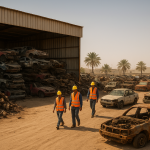
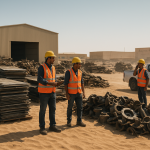
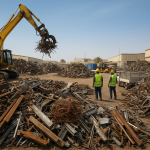
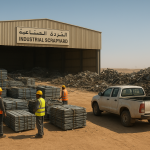
When you arrange battery pickup, a trained crew assesses the material, confirms the chemistry and condition, and loads batteries into secure containers. For industrial sites this may include forklift handling or crane lifts. The collected batteries are transported under safe conditions to an approved processing facility where metals are recovered and hazardous components are neutralized. If you need guidance, reach out to Metal Scrap Dammam services for site advice and pickup arrangements.
Benefits of professional handling
- Reduced fire and spill risks through proper containment and transport.
- Recovery of valuable metals like lead, copper, and nickel for reuse.
- Compliance support for waste and workplace safety rules affecting factories, workshops, and construction sites.
- Lower liability for commercial businesses and easier documentation for facility managers.
Choosing licensed, experienced handlers for battery recycling Dammam helps protect people, property, and the environment.
Battery types and what to expect
Lead‑acid batteries (common in forklifts and vehicles) require electrolyte handling and are typically processed to recover lead. Lithium‑ion batteries (found in power tools and equipment) demand careful short‑circuit prevention and are processed to recover metals and cathode materials. Smaller household batteries have different recycling streams—confirm accepted types before collection.
Local considerations for Dammam and the Eastern Province
In Dammam and nearby industrial areas such as Khobar and Dhahran, climatic heat and dusty conditions increase the importance of secure storage and shaded containment before pickup. Bulk industrial sites should schedule pickups to avoid long outdoor storage. Local transport logistics and safety practices are part of responsible battery recycling Dammam operations.
Who benefits from better battery recycling?
Practical guidance here is aimed at:
- Factories and industrial plants managing large battery banks
- Warehouses and logistics centers with forklifts
- Construction companies and contractors
- Workshops and equipment rental firms
- Offices and households with small battery waste
Environmental context
Proper battery recycling supports resource recovery and reduces pollution. For broader guidance on sustainable waste management, see the UN Environment Programme. Recovering metals reduces the need for new mining and lowers overall environmental impact.
Frequently Asked Questions
1. Can I mix different battery types for pickup?
No. Different chemistries should be kept separate to avoid chemical reactions, fires, or contamination during transport.
2. Do you collect batteries from factories and warehouses?
Yes. Many industrial customers schedule bulk pickups with trained crews and appropriate lifting equipment to safely remove large batteries.
3. How should I prepare batteries for collection?
Cover terminals with tape, place batteries in labeled leak‑proof containers, and segregate damaged units. Provide clear access and staging area for pickup crews.
4. Who should I contact for battery recycling Dammam pickup?
Contact Metal Scrap Dammam at the details below to discuss volume, battery types, and safe pickup options.
Conclusion & Contact
Responsible battery recycling reduces hazards, recovers valuable materials, and supports sustainable operations across Dammam and the Eastern Province. For site assessments, scheduled pickups, or help with large industrial removals, contact Metal Scrap Dammam. For fast assistance call or WhatsApp +966532510699, email info@metalscrapdammam.com, or visit Metal Scrap Dammam services to arrange collection and learn more about battery recycling Dammam.