Car Battery Scrap Price Dammam: 7 Helpful, Essential Factors
If you are comparing car battery scrap price Dammam quotations, a single online rate will rarely tell the whole story. The value of used vehicle batteries can change with battery chemistry, weight, condition, quantity, commodity markets, and collection requirements. Preparing accurate information allows a buyer to assess the material more effectively and helps you compare quotations on a consistent basis.
This guide explains the practical factors relevant to vehicle workshops, fleet operators, maintenance departments, warehouses, and businesses holding spent automotive batteries in Dammam and the wider Eastern Province.
What Is Car Battery Scrap?
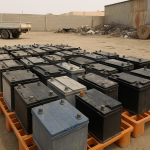
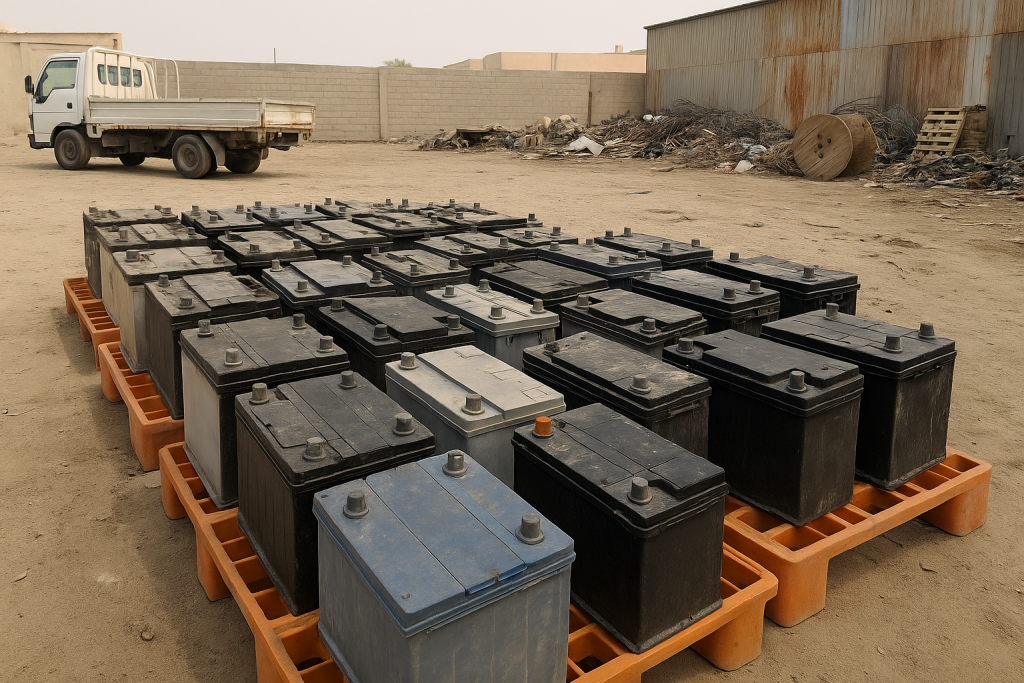
Most conventional vehicle starter batteries are lead-acid units. They contain non-ferrous lead components, an electrolyte, terminals, separators, and a plastic casing. Common designs include flooded lead-acid, enhanced flooded battery (EFB), and absorbent glass mat (AGM) batteries. Their construction, size, and intended vehicle application can differ.
Lithium-ion starter or electric-vehicle batteries belong to a separate material category. They require different identification, storage, transport, and recycling arrangements. Sellers should not combine an unidentified lithium battery with a load of conventional lead-acid units. Labels, part numbers, vehicle details, and clear photographs can help establish the battery type without opening the casing.
7 Factors Affecting Car Battery Scrap Price Dammam
A current quotation may reflect several connected considerations rather than one fixed rate. The following seven factors are especially relevant.
- Battery chemistry and category. Conventional flooded, EFB, AGM, and lithium-ion batteries should be identified separately. They do not have identical compositions or handling requirements, so mixing categories may prevent an accurate initial assessment.
- Size, weight, and material content. Passenger-car, commercial-vehicle, and heavy-equipment batteries vary considerably in physical size and gross weight. Buyers may use the battery class, unit count, marked specifications, or verified weight when evaluating a load.
- Condition and completeness. An intact, complete battery is easier to identify than a dismantled unit or an empty casing. Missing components, severe casing damage, leakage, fire damage, or altered batteries can affect handling and evaluation.
- Sorting and contamination. A clean group of automotive batteries is different from a mixed load containing loose metal, general workshop waste, oil containers, packaging, or unrelated electrical equipment. Separation makes the material easier to inspect and describe.
- Quantity and load consistency. One battery and a regular workshop accumulation involve different collection economics. An accurate unit count, approximate total weight, and description of how often material becomes available help clarify the scale.
- Lead and recycling market conditions. Lead-related market values and downstream recycling demand can change. A quotation obtained previously may therefore be unsuitable for a new sale, even when the battery quantity appears similar.
- Collection and site requirements. Distance, access restrictions, loading conditions, parking, security procedures, collection scheduling, and whether the batteries are already palletized can influence the practical cost of removing a load.
When comparing car battery scrap price Dammam offers, confirm whether each quote uses the same unit count, weight basis, battery category, collection scope, and deductions. A headline figure is less useful if the assessment terms are unclear.
How to Identify, Sort, and Prepare Used Batteries
Preparation does not mean dismantling a battery. It means identifying the units, separating incompatible categories, reducing avoidable risks, and giving a prospective buyer enough information to discuss an assessment.
Identify the Battery Without Opening It
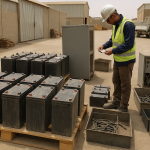
Check the exterior label for chemistry, voltage, capacity, model information, and safety markings. Note whether the battery came from a passenger vehicle, truck, forklift, backup system, or electric vehicle. If a label is unreadable, provide photographs of the complete casing, terminals, dimensions, and any visible warning symbols. Do not cut or break the casing to inspect the contents.
Separate Batteries by Type and Condition
Good preparation can make a car battery scrap price Dammam enquiry easier to evaluate. Keep conventional lead-acid units apart from lithium batteries, and isolate damaged or leaking units from intact stock while seeking appropriate handling guidance.
- Count the batteries in each clearly identified category.
- Remove unrelated rubbish without modifying the batteries.
- Keep terminals protected from accidental contact with conductive objects.
- Record damaged, swollen, leaking, burned, or unusually hot units separately.
Store used batteries upright on a stable, compatible containment surface and protect them from impact, uncontrolled heat, and water exposure. Avoid unstable stacking. Site managers should follow manufacturer instructions, workplace procedures, and applicable local requirements, especially when a battery is damaged or its chemistry is uncertain.
How Battery Assessment and Collection Generally Work
The exact process depends on the battery type, quantity, site, and buyer. Sellers can reduce delays by preparing the following information before asking for a quotation.
Share Clear Load Details
A buyer will usually need the battery type, number of units, approximate weight if known, condition, photographs, collection area, and preferred timing. Businesses should also mention site entry rules, loading-bay availability, vehicle restrictions, and contact procedures.
Confirm the Evaluation Basis
Ask whether the quotation is based on units, gross weight, an inspected weight, or a particular battery category. It also helps to confirm how mixed batteries, damaged casings, contamination, and collection costs are treated. Initial figures may be subject to inspection or verified weighing.
Coordinate Access and Loading
Before collection, confirm where the batteries are stored and whether they can be reached safely. Explain stairs, narrow gates, basement access, restricted industrial entrances, or long carrying distances. Ask the buyer what loading arrangement is required rather than assuming particular vehicles or equipment will be available.
Dammam and Eastern Province Considerations
For businesses assessing car battery scrap price Dammam options, local logistics can be as important as battery quantity. Vehicle workshops, fleet facilities, industrial sites, and warehouses may have controlled entrances or limited loading periods. Dammam’s warm conditions also make shaded, stable storage and prompt attention to damaged casings particularly sensible.
Metal Scrap Dammam serves Dammam and the Eastern Province. When making contact, provide the actual collection area rather than only a company mailing address. This helps support a practical discussion about distance, access, quantity, and collection options without implying that every load has the same logistics.
Responsible Handling and Recycling Context
Used batteries should not be placed with ordinary rubbish or casually dismantled for their metal content. Lead, electrolyte, plastic, and lithium-based components require suitable handling and established recycling channels. Protecting casings, preventing terminal contact, and separating battery chemistries can reduce avoidable risks before collection.
Responsible battery management also supports broader goals involving resource conservation and waste reduction. The UN Environment Programme provides wider information about environmental responsibility and sustainable material management. Sellers should ask a prospective buyer about applicable acceptance, transport, and documentation requirements for their specific batteries.
Frequently Asked Questions
What Information Helps with a Used Battery Quotation?
Provide the chemistry or battery type, unit count, approximate weight if available, condition, photographs, collection area, and site-access details. Mention any leaking, swollen, burned, dismantled, or unidentified batteries separately so they are not assessed as ordinary intact units.
Should I Remove Lead or Other Parts Before Selling Batteries?
No. Do not open, drain, cut, or dismantle vehicle batteries merely to prepare them for sale. Keep complete units intact, identify them from exterior markings, and ask the buyer for preparation instructions appropriate to the battery chemistry and condition.
Can Damaged Batteries Be Included in a Collection Request?
Describe damaged units before collection is arranged. Photographs can help show cracks, swelling, corrosion, leakage, or fire damage. Keep affected batteries isolated from intact stock and obtain suitable safety guidance, particularly if the chemistry is unknown or the unit is hot.
How Do I Request a Car Battery Scrap Price Dammam Quotation?
Contact Metal Scrap Dammam with the battery types, quantity, condition, photographs, collection location, and access information. Ask how the material will be evaluated and whether collection or loading requirements affect the quotation. Current details are more useful than relying on an old market rate.
Discuss Your Used Car Batteries
For a current discussion about car battery scrap price Dammam, contact Metal Scrap Dammam and describe your material, quantity, condition, site access, and collection needs. No battery should be dismantled solely to request an assessment.
Metal Scrap Dammam
Website: Metal Scrap Dammam services and contact information
Call / WhatsApp: +966532510699
Email: info@metalscrapdammam.com