industrial pump recycling Dammam: 6 Smart, Essential Steps
Retired pumps can occupy valuable factory space while retaining recoverable cast iron, steel, stainless steel, copper, aluminum, brass, or bronze. Arranging industrial pump recycling Dammam helps factories, workshops, contractors, and facility teams remove this machinery through an organized assessment and collection process. The practical first step is to identify each pump, confirm its condition and previous use, and provide accurate information about quantity, weight, contamination, and site access.
What industrial pump recycling Dammam Involves
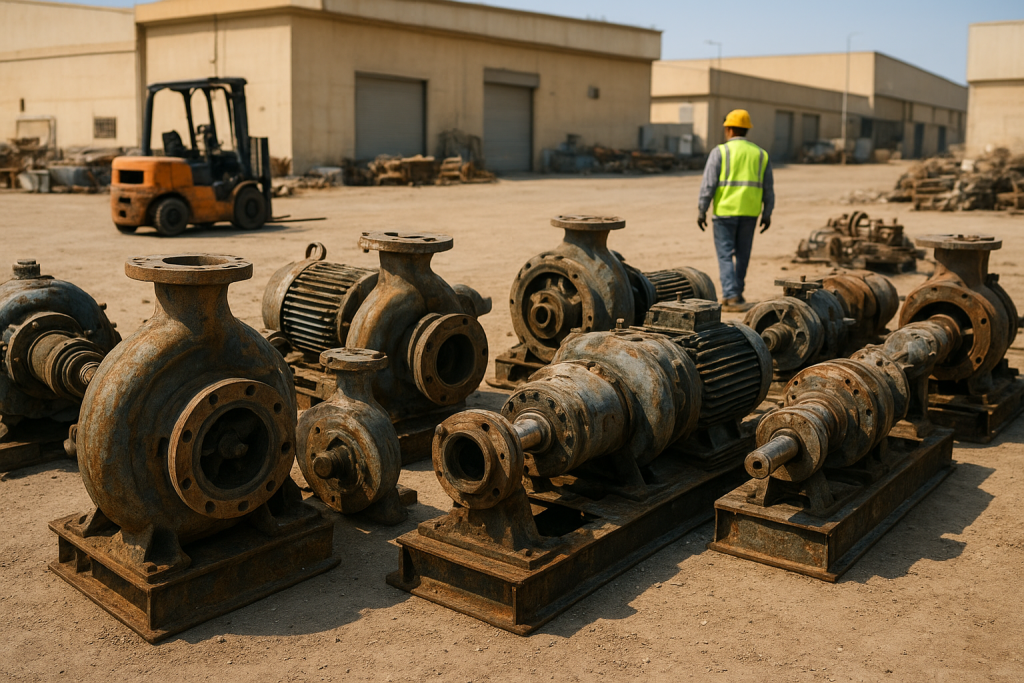
Industrial pump disposal is more specific than clearing ordinary mixed metal. A pump may combine a heavy casing, shaft, impeller, bearings, seals, coupling, base frame, gearbox, and electric motor. These components can have different metal grades and may require separation before final processing. The appropriate route depends on whether a unit is complete, dismantled, damaged, obsolete, contaminated, or potentially suitable for reuse.
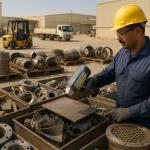
Common assets include centrifugal pumps, submersible pumps, process pumps, booster pumps, positive-displacement pumps, multistage units, and pump-and-motor assemblies. A clear inventory allows a scrap buyer to distinguish complete machinery from loose motors, steel bases, pipe sections, valves, and mixed maintenance scrap.
Recognizing the Recoverable Materials in a Pump
Many pump casings and mounting frames are made from cast iron or carbon steel. These are ferrous metals and are generally attracted to a magnet. Shafts, fasteners, and wear-resistant internal parts may use carbon steel or stainless steel. Stainless components should be kept separate when their grade is known because mixing them with ordinary steel can reduce sorting accuracy.
Impellers may be cast iron, stainless steel, brass, or bronze, depending on the liquid and operating conditions. Electric motors can contain steel laminations, aluminum or cast-iron housings, and copper windings. Some motors use aluminum windings, so copper content should not be assumed without inspection. Pumps also contain non-metal items such as rubber seals, insulation, gaskets, coatings, and plastic components.
Previous service matters as much as composition. Pumps used with oil, chemicals, wastewater, or process fluids may retain residue in their casing or connected pipework. The former contents should be disclosed before collection. Residual liquids are not the same as metal scrap and may require a separate handling route under the site’s procedures.
6 Essential Preparation Steps
A clear plan makes industrial pump recycling Dammam more efficient and gives the buyer better information for evaluating the machinery and arranging removal. Use these six steps before requesting collection.
- Create an equipment inventory. Record the number of pumps, pump type, motor size shown on the nameplate, approximate dimensions, known weight, condition, and current location. Include photographs of complete units, damaged areas, identification plates, motors, couplings, and base frames.
- Isolate and disconnect each unit. Qualified site personnel should de-energize pumps and disconnect electrical, mechanical, and process connections under the facility’s own safety procedures. Confirm whether pipework, cables, anchor bolts, or control panels remain attached before the collection team arrives.
- Drain fluids and disclose residues. Remove oil, water, or process liquid into appropriate containers rather than allowing it to travel inside the scrap load. State what the pump previously handled and identify visible sludge, chemical deposits, insulation, or other contamination that could affect acceptance.
- Sort complete units and loose components. Group complete pump-and-motor assemblies separately from loose casings, impellers, shafts, motors, steel skids, and piping. Keep identifiable stainless steel, copper-bearing motors, brass, or bronze parts apart when safe and practical. Do not dismantle equipment without suitable tools and authorization.
- Check access and lifting requirements. Note floor level, doorway width, loading-bay access, internal traffic controls, and the distance from the equipment to the vehicle position. Confirm whether the site has an appropriate forklift, crane, pallet, or other lifting arrangement available.
- Request assessment and coordinate collection. Send the inventory, photographs, location, preferred schedule, and access details to the scrap buyer. Clarify site induction, security approval, working-hour restrictions, and who will supervise release of the equipment before agreeing on the removal plan.
How Industrial Pump Scrap Is Evaluated
For industrial pump recycling Dammam, a quotation may depend on the dominant metal, identifiable grade, motor winding material, total quantity, unit condition, sorting quality, contamination, and current scrap-market conditions. A clean stainless pump separated from carbon-steel frames is evaluated differently from a mixed assembly containing liquid, insulation, rubber, and attached piping.
Removal requirements can also influence the assessment. A pump already disconnected beside an accessible loading area presents a different job from machinery fixed inside a restricted plant room. Accurate weights are useful when available, but estimates should be clearly identified as estimates. Final evaluation may involve inspection, weighing, or confirmation of the separated material categories.
Collection and Industrial-Site Coordination
The collection process normally begins with equipment details and clear photographs. The buyer can then discuss whether the pumps should remain complete or be separated into manageable material groups. Large skids and coupled assemblies may require a planned lifting method, while smaller pumps can sometimes be secured on pallets or placed in suitable metal containers.
Before the vehicle arrives, establish a safe collection zone and keep unrelated waste away from the pump scrap. Ensure the person authorized to release the assets is available and that the quantity matches the submitted inventory. Businesses can review Metal Scrap Dammam services and provide project-specific information when requesting pickup or machinery-scrap removal.
Responsible Recycling and Material Recovery
Separating recoverable metals from residual fluids, seals, insulation, and general waste supports more effective processing. Ferrous casings can enter steel and iron recycling streams, while stainless steel, aluminum, copper, brass, and bronze can be directed to appropriate non-ferrous recovery channels after identification and preparation.
Responsible recycling also supports broader goals related to resource conservation and waste reduction. The UN Environment Programme provides information about environmental responsibility and sustainable material management. At site level, careful sorting and accurate disclosure are practical ways to prevent avoidable contamination.
Planning Pump Disposal in Dammam
Planning industrial pump recycling Dammam in the Eastern Province requires attention to industrial access, security procedures, vehicle movement, and operating schedules. Facilities in Dammam industrial areas or Second Industrial City may have controlled gates, designated loading zones, and induction requirements that should be communicated before pickup.
Outdoor storage can expose pumps to dust, heat, oxidation, and standing residue, so equipment should be stabilized and kept accessible while collection is arranged. For projects involving multiple buildings or shutdown activities, label the approved assets and separate them from operational machinery to avoid confusion during clearance.
Frequently Asked Questions
Can complete pump-and-motor assemblies be collected as scrap?
Complete assemblies may be assessed, but acceptance and removal depend on size, condition, contamination, and access. Provide photographs and indicate whether the pump is disconnected, drained, mounted on a skid, or still attached to pipework and electrical systems.
How can I identify the metals in an industrial pump?
Check equipment records, nameplates, manufacturer specifications, and known process requirements. A magnet can help distinguish many ferrous parts from non-ferrous metals, but it cannot confirm every alloy or stainless grade. Keep uncertain material separate for assessment.
Must used pumps be drained before scrap collection?
Pumps should normally be drained by authorized site personnel, with residual liquids managed under the facility’s procedures. Tell the buyer what the equipment previously pumped and disclose oils, chemicals, sludge, insulation, or other material remaining in or around the unit.
What information is needed to request a quotation?
To request industrial pump recycling Dammam, provide the pump types, quantity, photographs, approximate dimensions or known weights, condition, previous use, contamination status, exact collection area, lifting needs, and any site-access or scheduling restrictions.
Arrange an Industrial Pump Scrap Assessment
If your site needs industrial pump recycling Dammam, contact Metal Scrap Dammam with an equipment list, photographs, material details, and access information. Visit Metal Scrap Dammam, call or WhatsApp +966532510699, or email info@metalscrapdammam.com to discuss assessment and collection requirements.