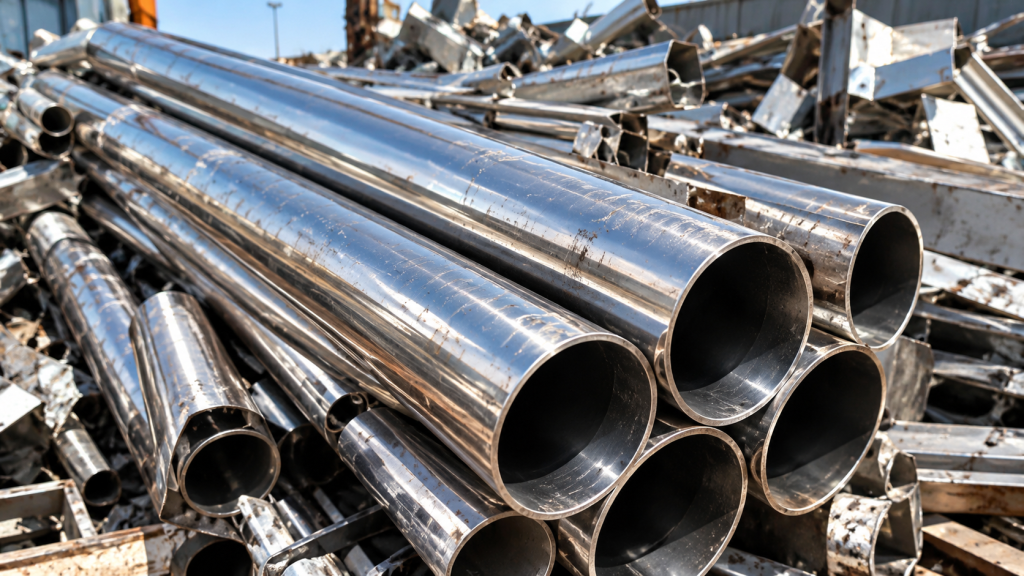
Stainless Steel Scrap Grading Checklist Saudi Arabia: 7 Essential Checks
A stainless steel scrap grading checklist Saudi Arabia helps factories, workshops, contractors, warehouses, and facility teams describe material accurately before requesting an evaluation. The practical goal is to separate likely grades, identify contamination, record useful evidence, and explain how the scrap can be accessed at a site in Dammam or elsewhere in the Eastern Province.
Correct preparation does not require guessing an alloy from appearance alone. It requires a repeatable inspection process, reliable records, and clear communication with the prospective buyer.
Understanding Stainless Steel Scrap Grades
Stainless steel is an iron-based alloy and is generally classified within the ferrous-metal category, even though chromium, nickel, molybdenum, and other alloying elements can influence its properties and commercial classification. Two pieces may look similar while having different compositions, so visual appearance should be treated as an initial clue rather than final proof.
Common 300-series material includes grades such as 304 and 316. Grade 316 usually contains molybdenum, which helps distinguish its composition from 304. The 400 series includes grades such as 430, which is often more responsive to a magnet. Duplex, heat-resistant, and other specialist alloys should remain separate when their identity is supported by markings or records.
Stainless Steel Scrap Grading Checklist Saudi Arabia: 7 Checks
Apply these seven checks before combining material into sale or collection lots.
- Record the source and previous use. Note whether the scrap came from food equipment, pipework, tanks, architectural fittings, fabrication offcuts, machinery, or maintenance work. Source information can support identification, but it should not replace grade markings, purchasing records, or suitable alloy analysis.
- Look for grade markings and records. Check pipes, plates, fittings, valves, and equipment parts for stamped grades, specification codes, or heat references. Retain purchase orders, material certificates already held by the seller, maintenance records, and equipment schedules where relevant. Do not create or assume documentation that is unavailable.
- Separate known grades and unknown material. Keep documented 304, 316, 430, duplex, and specialist alloys in distinct groups. Place unmarked pieces in an unknown-grade lot rather than mixing them with verified material. This preserves the usefulness of the seller’s records and allows further assessment where necessary.
- Use a magnet only as a screening tool. Strong magnetic attraction may indicate a ferritic or martensitic grade, while many austenitic grades show little attraction. However, cold-worked 300-series stainless can become slightly magnetic. A magnet test alone cannot reliably confirm an exact alloy grade.
- Identify contamination and attachments. Check for carbon-steel brackets, bolts, rubber, insulation, plastic, paint, oil, scale, product residue, and non-stainless components. Describe anything that cannot be removed safely. Sealed vessels, pressurised parts, or items with uncertain residues require appropriate specialist review before handling.
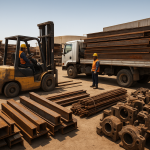
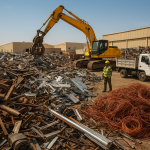
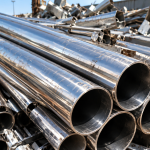
- Sort by form and condition. Separate clean sheet offcuts, pipe, solid bar, turnings, tanks, fittings, and mixed assemblies where practical. Keep wet or oily turnings contained and do not combine them with clean solids. Note heavy oxidation, coatings, embedded fasteners, and inaccessible internal components.
- Document quantity and site access. Prepare an item count, dimensions, available weight records, photographs, and storage location. Explain gate restrictions, loading space, floor level, lifting needs, and whether equipment is fixed in position. Photographs can show condition and access, but they should not be used to estimate weight as fact.
Used consistently, the stainless steel scrap grading checklist Saudi Arabia creates a clearer inventory without presenting uncertain material as a confirmed grade.
Build a Useful Seller Record
A concise scrap register helps procurement, maintenance, and site teams provide consistent information. It can include:
- seller-assigned lot or asset reference
- claimed grade and the evidence supporting it
- material form, dimensions, quantity, and condition
- visible contamination, attachments, or mixed metals
- site location, access restrictions, and loading considerations
Date photographs and connect each one to the relevant lot reference. If material is dismantled or moved, update the record. The stainless steel scrap grading checklist Saudi Arabia is most useful when the written inventory and the physical piles continue to match.
How Stainless Scrap Is Commonly Evaluated
A buyer will usually consider grade, alloy composition, purity, condition, quantity, sorting quality, current market conditions, and collection or removal requirements. Clean, separated material is easier to assess than a mixed assembly, but preparation costs and safe handling should be considered before dismantling equipment solely for scrap.
- Identification: markings, source records, and suitable alloy testing where required
- Condition: cleanliness, oxidation, residues, coatings, and moisture
- Quantity: available weight records and an agreed weighing approach
- Logistics: access, loading needs, distance, and site procedures
- Market context: prevailing demand for the relevant alloy category
A commercial handover commonly begins with an inventory and photographs, followed by clarification of grade evidence, exclusions, site access, and collection options. Timing, loading responsibilities, weighing arrangements, and any required seller documentation should be discussed before material is moved. For an enquiry, businesses can use the industrial scrap seller enquiry route.
Responsible Handling and Recycling Preparation
Separating stainless alloys from carbon steel, rubber, plastic, and operational waste supports more efficient material recovery and reduces avoidable mixing. Keep sharp offcuts stable, use suitable containers for small pieces, and prevent turnings from spreading across work areas. Where scrap contains chemical residue, pressure, refrigerant, oil, or other controlled material, seek appropriate specialist guidance and confirm applicable obligations before collection.
Broader guidance from the UN Environment Programme explains the importance of resource efficiency, waste reduction, and responsible material management. For sellers, good segregation is a practical contribution to those aims.
Applying the Checklist at Dammam Industrial Sites
Dammam businesses may generate stainless scrap through fabrication, maintenance, equipment replacement, warehouse clearance, and construction activity. Before discussing removal, site teams should identify who controls gate access, whether visitor or vehicle approvals are needed, where material is stored, and what loading space is available.
For facilities in Dammam industrial areas, including Second Industrial City, the stainless steel scrap grading checklist Saudi Arabia can be attached to an asset-disposal or scrap register. Metal Scrap Dammam serves Dammam and the Eastern Province; review Metal Scrap Dammam information and discuss the specific material, quantity, and access conditions directly.
Frequently Asked Questions
Can a Magnet Distinguish 304 Stainless Scrap from 316?
No. Both are commonly austenitic grades and may show little magnetic attraction, although fabrication or cold working can affect the response. Use markings, reliable source records, and suitable alloy analysis when an exact distinction is commercially important.
Should 304 and 316 Stainless Scrap Be Mixed Together?
Keep them separate when their identities are supported by credible records or testing. Mixing can remove useful grade distinction. If identification is uncertain, create a clearly marked unknown-grade lot instead of assigning an unsupported grade.
What Information Should Accompany a Stainless Scrap Enquiry?
Provide the material form, likely grade, basis for identification, condition, contamination, dimensions, quantity, photographs, site location, and access details. Mention fixed attachments, lifting needs, loading restrictions, and any site procedures that may affect collection planning.
Can the Stainless Steel Scrap Grading Checklist Saudi Arabia Cover Mixed Industrial Loads?
Yes, but each material group should have its own lot reference. Separate known stainless grades from unknown stainless, carbon steel, aluminium, cables, motors, plastics, and operational waste. This makes the inventory clearer and avoids treating a mixed load as one alloy.
Discuss Your Stainless Steel Scrap in Dammam
Use the stainless steel scrap grading checklist Saudi Arabia as a practical briefing document when requesting a quotation or discussing collection options. Contact Metal Scrap Dammam with the material type, available grade evidence, quantity information, condition, photographs, site access, and loading requirements.
Website: https://metalscrapdammam.com/
Call / WhatsApp: +966532510699
Email: info@metalscrapdammam.com
Related material information: our relevant scrap buying and preparation guide.