plant decommissioning scrap removal Dammam: 6 Smart, Essential Steps
Closing, relocating, or dismantling an industrial plant produces more than a pile of unwanted metal. It creates a coordinated clearance project involving machinery, structural steel, pipes, cables, access restrictions, lifting requirements, and materials that may need separate handling. A well-planned approach to plant decommissioning scrap removal Dammam helps facility managers, contractors, and asset owners identify recoverable metals, organize collection, and avoid mixing valuable scrap with residues or general waste.
Metal Scrap Dammam can discuss industrial scrap generated after equipment has been isolated and released for removal. Clear information about the material inventory, site conditions, and project schedule makes assessment and collection planning more practical.
Why Decommissioning Scrap Requires Project Planning
Routine scrap pickup usually involves known materials stored in an accessible area. A decommissioning project is different. Scrap may remain attached to foundations, installed at height, located inside restricted process areas, or distributed across several plant zones. Some assets can be removed intact, while others need controlled dismantling before they can be loaded.
The scrap plan should be coordinated with the wider decommissioning schedule. Plant management remains responsible for shutdown procedures, utility isolation, hazardous-material controls, and authorizing assets for disposal. The scrap removal team needs a clearly defined scope so that reusable equipment, saleable assets, regulated waste, and recyclable metal are not confused.
Common Metals and Equipment in a Plant Clearance
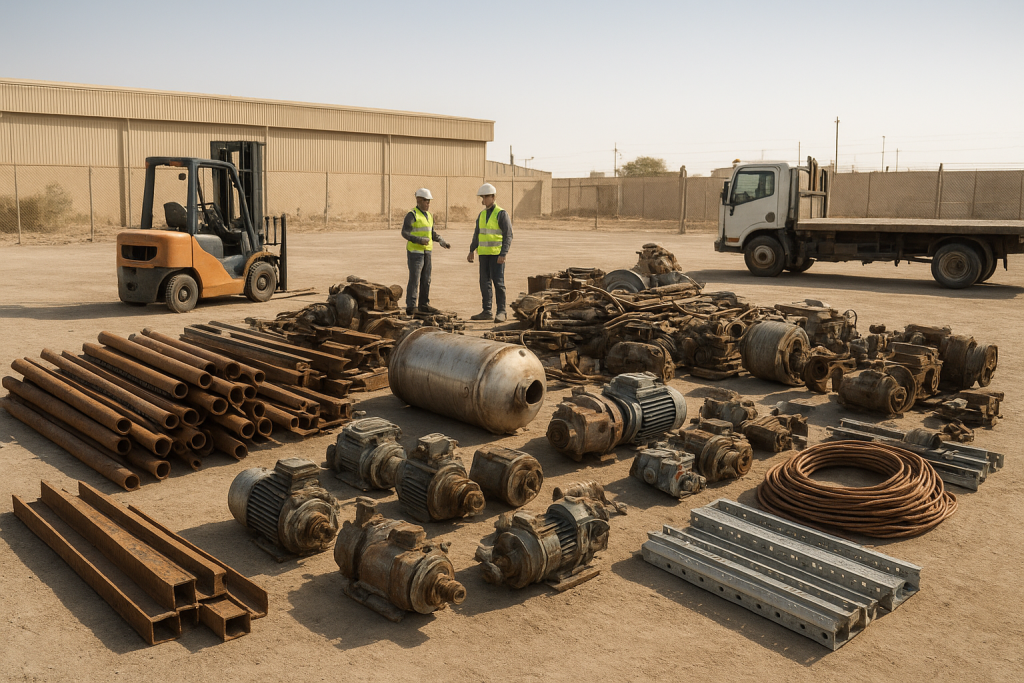
Industrial facilities can generate several metal grades with different recycling characteristics. A preliminary inventory should describe each major asset, its approximate quantity, condition, location, and whether it is already dismantled. Typical decommissioning streams may include:
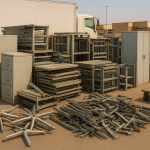
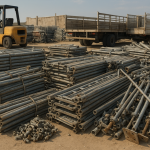
- Ferrous metals: carbon-steel pipes, structural sections, tanks, platforms, machine frames, ducting, and iron components.
- Non-ferrous metals: copper cables, busbars, aluminum trays, brass valves, bronze parts, and suitable electrical components.
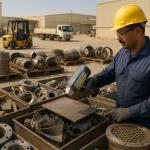
- Specialized equipment: stainless-steel process vessels, heat exchangers, pumps, electric motors, compressors, control cabinets, and machinery.
Ferrous and non-ferrous items should not be treated as one mixed grade. Stainless steel, insulated cable, copper, aluminum, brass, and ordinary carbon steel have different compositions and evaluation factors. Equipment containing oil, chemicals, refrigerants, insulation, batteries, or process residue must be identified before collection and may require separate handling by appropriately qualified parties.
plant decommissioning scrap removal Dammam: 6 Smart, Essential Steps
The following six steps create a practical route from initial site review to final loading without assuming that every plant has the same layout or material mix.
- Define the clearance boundary. Mark the equipment, pipework, structures, and storage zones included in the scrap scope. Use asset references where available, and identify anything reserved for reuse, resale, relocation, or spare parts. Written release by the responsible site representative reduces the risk of removing the wrong asset.
- Build a material inventory. Record major machinery, estimated quantities, metal types, dimensions, and current condition. Photographs can help show corrosion, attachments, insulation, foundations, and access. Unknown alloys or complex equipment should be listed separately rather than assigned an unsupported grade.
- Confirm isolation and preparation. Electrical, mechanical, hydraulic, pneumatic, and process connections should be made safe under the plant’s approved procedures before scrap work begins. Drainage, decontamination, refrigerant recovery, and hazardous-material management must be completed or clearly assigned to the appropriate responsible contractor.
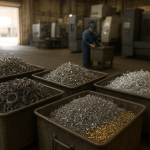
- Separate materials by grade. Keep carbon steel apart from stainless steel and non-ferrous metal. Segregate clean copper, insulated cable, aluminum, brass, motors, and mixed machinery where practical. Remove loose non-metal waste when it can be done safely, but avoid damaging valuable metal solely to make a pile look cleaner.
- Plan access, lifting, and loading. Check gate dimensions, road conditions, working space, overhead restrictions, floor capacity, and loading-zone availability. Heavy or oversized assets may require lifting equipment, suitable transport, staged dismantling, or agreed cutting arrangements before collection can proceed.
- Arrange assessment and collection. Share the inventory, site location, photographs, access rules, available loading support, and preferred schedule with the scrap buyer. Confirm how materials will be grouped and evaluated, then coordinate vehicle entry and collection with site security and project supervision.
Taken together, these steps make plant decommissioning scrap removal Dammam easier to assess and coordinate. They also provide clearer boundaries between recyclable metal, reusable plant assets, and materials that do not belong in a normal scrap load.
How Industrial Decommissioning Scrap Is Evaluated
Evaluation is not based only on the visible size of a machine or steel pile. For plant decommissioning scrap removal Dammam, the buyer may consider material type, alloy or grade, purity, contamination, total quantity, sorting quality, current market conditions, and the work required to collect the material.
- Whether the load is clean, mixed, coated, insulated, or attached to non-metal components
- Whether equipment can be removed intact or requires dismantling and cutting
- Site access, lifting requirements, loading support, and transport constraints
- The presence of oils, residues, refractory material, concrete, rubber, or other contamination
- Whether quantities can be verified through weights, dimensions, equipment data, or inspection
No responsible quotation should rely on an invented rate without understanding the scope. For a current assessment, provide Metal Scrap Dammam with accurate material details and site photographs. An inspection may be useful where the inventory is large, mixed, installed, or difficult to access.
Site Coordination and Safe Removal
Scrap collection should fit the plant’s permit, security, and traffic arrangements. Before vehicles or lifting equipment enter the work area, the responsible teams should confirm authorized working zones, induction requirements, exclusion areas, emergency arrangements, and communication contacts. Removal should not begin until the relevant plant assets have been formally released.
Good staging improves efficiency. Smaller sorted materials can be placed in suitable containers or designated bays, while long pipes, structural sections, and heavy machinery need stable placement and adequate lifting clearance. Access routes should remain free from loose debris, unsupported metal, and obstructions that could interfere with loading.
Dammam and Eastern Province Industrial Context
Local logistics matter because plant decommissioning scrap removal Dammam may involve busy industrial roads, controlled facilities, large vehicles, and work scheduled around other contractors. Plants in Dammam industrial areas and the Second Industrial City may also have strict entry procedures or limited loading windows. Sharing these requirements early supports realistic collection planning.
Projects connected with nearby Eastern Province industrial activity can have similar needs, but Dammam remains the primary service market. Customers can review industrial scrap services from Metal Scrap Dammam and provide project-specific details before arranging an assessment.
Responsible Recycling After Decommissioning
Responsible plant decommissioning scrap removal Dammam keeps recoverable steel, stainless steel, copper, aluminum, and other metals available for recycling instead of mixing them with general demolition waste. Better sorting also reduces unnecessary handling and helps preserve the identity of higher-value grades.
Metal recycling supports broader goals related to waste reduction and resource conservation. The UN Environment Programme provides wider information about environmental responsibility and sustainable resource management. At site level, the practical contribution begins with correct identification, controlled preparation, and separation of recyclable materials from hazardous or unsuitable waste.
Frequently Asked Questions
What plant equipment can be considered for scrap removal?
Possible materials include steel structures, pipes, tanks, stainless process equipment, pumps, motors, compressors, cables, aluminum components, and dismantled machinery. Acceptance depends on composition, condition, contamination, quantity, and whether the equipment has been safely released for removal.
Must machinery be dismantled before requesting a quotation?
Not always. Photographs, dimensions, identification plates, estimated weights, and access details can support an initial discussion. Installed or complex machinery may require a site review to determine whether intact lifting, partial dismantling, or cutting is practical.
How should contaminated equipment be prepared?
Identify oils, chemicals, refrigerants, insulation, batteries, and process residues before collection. Required draining, cleaning, decontamination, or hazardous-waste work should be completed by the appropriate responsible party. Do not mix unidentified residues with recyclable metal.
What information helps arrange collection in Dammam?
Provide the site location, material list, estimated quantity, photographs, access restrictions, loading support, asset-release status, and preferred schedule. Mention oversized equipment, security procedures, lifting needs, and any materials that require separate assessment.
Plan Your Industrial Scrap Clearance
For a practical discussion about plant decommissioning scrap removal Dammam, prepare an inventory and recent site photographs, then explain what has been dismantled, isolated, and approved for disposal. Metal Scrap Dammam can review the available details and discuss assessment, sorting, access, and collection requirements without relying on unsupported price assumptions.
Metal Scrap Dammam
Website: https://metalscrapdammam.com/
Call / WhatsApp: +966532510699
Email: info@metalscrapdammam.com