nickel alloy scrap buyer Dammam: A Practical Selling Guide
Factories, workshops, maintenance contractors, fabrication businesses, and industrial facilities often generate nickel-based offcuts, worn components, pipes, valves, and machining residues. A reliable nickel alloy scrap buyer Dammam can help assess this material, explain the relevant value factors, and coordinate collection according to the quantity and site conditions. The most useful first step is to identify and separate the alloy as accurately as possible.
Nickel alloys are not all the same. Their composition, industrial application, contamination level, and physical form can affect evaluation and recycling options. Good preparation reduces uncertainty, prevents valuable grades from being mixed with ordinary stainless steel, and makes loading or removal more efficient.
What Counts as Nickel Alloy Scrap?
Nickel alloy scrap is non-ferrous industrial material in which nickel is an important part of the composition. Depending on the grade, it may also contain chromium, molybdenum, copper, cobalt, iron, or other alloying elements. These combinations are selected for properties such as corrosion resistance, heat resistance, strength, or performance in demanding chemical and industrial environments.
Common forms found at industrial sites
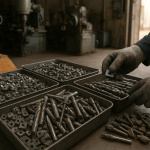
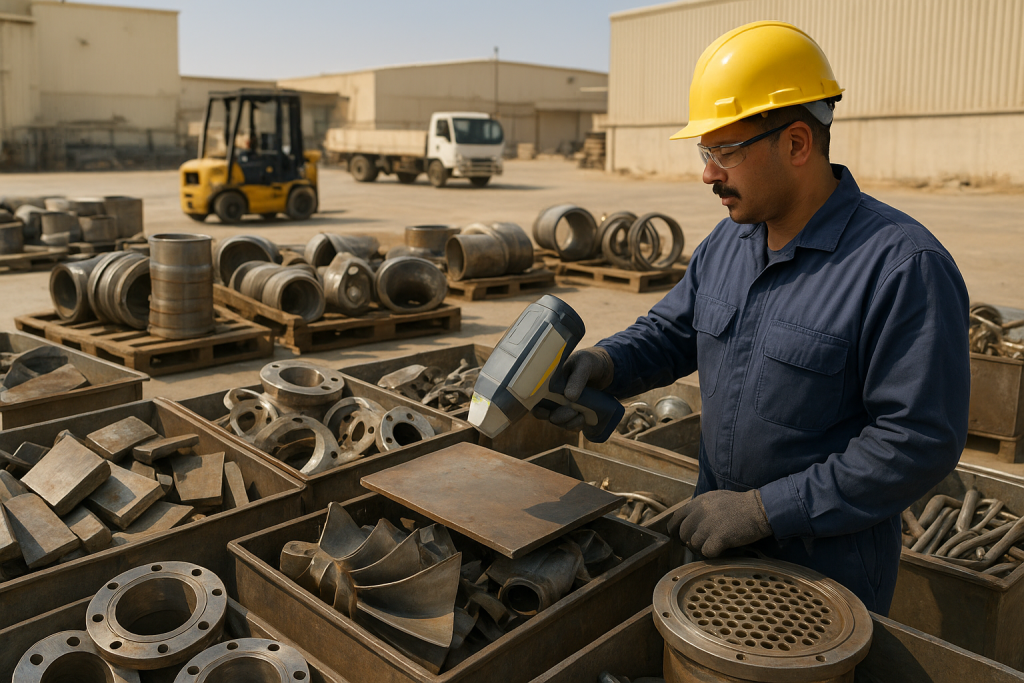
Typical material includes pipe cuttings, plate and sheet offcuts, bars, rods, flanges, fittings, valves, pump parts, heat-exchanger components, turbine-related parts, fasteners, welding remnants, and machining turnings. Scrap may come from fabrication, equipment maintenance, plant shutdowns, replacement projects, warehouse stock clearance, or the dismantling of obsolete machinery.
Why appearance alone is not enough
Nickel alloys can resemble stainless steel, and different grades may look almost identical. Magnet response, color, weight, or surface condition may provide clues, but they do not establish composition reliably. Grade stamps, purchase records, material certificates, equipment records, and original application details are more useful. Where available, alloy analysis can help confirm uncertain or mixed material.
6 Steps Before Contacting a nickel alloy scrap buyer Dammam
Preparing information before requesting a quotation supports a clearer assessment. The following six steps apply to both recurring production scrap and one-time industrial clearance material.
- Record the source and former use. Note whether the scrap came from chemical equipment, heat-resistant components, pipework, fabrication stock, valves, pumps, or another application. Keep any grade labels, stock records, or material certificates connected to the batch.
- Group known alloy families. Separate identified nickel-chromium, nickel-copper, nickel-molybdenum, and other known alloy groups. Do not assign a grade based only on appearance. Mark uncertain material as unknown so it can be reviewed separately.
- Keep nickel alloys away from ordinary metals. Separate the material from carbon steel, iron, aluminum, copper, and common stainless steel. Mixed bins can make assessment slower and may reduce the recoverable value of a higher-grade batch.
- Manage attachments and contamination. Identify rubber liners, insulation, oil, scale, paint, plastic, gaskets, bolts, and carbon-steel attachments. Remove only items that can be handled safely without damaging the alloy or exposing workers to hazardous residues.
- Organize and document the quantity. Place compatible offcuts in suitable bins, bundles, drums, or pallets. Take clear photographs showing the material, markings, dimensions, condition, packaging, and approximate volume. Keep machining turnings dry and separate from solid pieces.
- Check access and loading needs. Explain where the scrap is located, whether it is indoors or outdoors, and if forklifts, cranes, cutting work, labor, or special vehicle access may be required. Mention site entry rules and collection time restrictions early.
How Nickel Alloy Scrap Is Evaluated
When a nickel alloy scrap buyer Dammam reviews a batch, the material name is only one part of the assessment. No single rate applies to every nickel-bearing item, and a quotation may change with composition, preparation, quantity, market conditions, and the work needed to remove or transport the scrap.
- Grade and composition: Confirmed alloy grades can be assessed more precisely than unidentified mixed metal.
- Purity: Clean, homogeneous batches are generally easier to direct into an appropriate recycling stream.
- Physical form: Solids, thin sheet, turnings, dismantled components, and complete equipment require different handling.
- Contamination: Oil, moisture, coatings, insulation, residue, and attached non-alloy parts can affect processing.
- Quantity and consistency: Batch size and whether the material is uniform influence collection and evaluation planning.
- Removal requirements: Access, loading equipment, cutting, segregation, labor, and transport affect the overall scope.
For a current quotation, provide photographs and all available grade information to Metal Scrap Dammam. Avoid cleaning material with chemicals, burning coatings, or dismantling pressurized or process-contaminated equipment without appropriate site controls.
Collection and Industrial Site Coordination
Before collection, a nickel alloy scrap buyer Dammam may need the site location, contact person, estimated quantity, material description, photographs, loading method, and access details. A remote review may be sufficient for an initial discussion, while complex machinery, mixed alloys, or substantial industrial quantities may require further assessment.
Once the material and removal scope are understood, collection planning can address the vehicle type, safe loading area, lifting resources, site induction, entry permits, and suitable timing. Sellers should identify unusually long, heavy, sharp, oily, or unstable pieces in advance. Scrap should remain secure and accessible without blocking emergency routes or normal operations.
Nickel Alloy Scrap in Dammam and the Eastern Province
Dammam’s industrial economy includes fabrication, maintenance, energy-related supply chains, warehousing, process equipment, and engineering activities that can generate specialist alloy scrap. Material may arise as regular workshop offcuts or as a larger batch during equipment replacement, plant maintenance, and warehouse clearance.
Working with a nickel alloy scrap buyer Dammam is particularly relevant when material must be removed from Dammam industrial areas or the Second Industrial City. Accurate location details matter because industrial access procedures, traffic conditions, loading space, and equipment requirements can influence collection planning across the Eastern Province.
Responsible Recycling and Material Recovery
Nickel alloys require significant industrial resources to produce. Keeping identified grades separate supports material recovery and reduces avoidable dilution with lower-value metals. Responsible recycling also involves controlling residues, preventing spills, and directing non-metal attachments into appropriate waste streams rather than mixing everything in one load.
The broader resource-conservation principles discussed by the UN Environment Programme emphasize waste reduction and sustainable material management. At site level, practical contributions include maintaining clear scrap records, protecting turnings from rain, preventing cross-contamination, and choosing recycling rather than uncontrolled disposal.
Frequently Asked Questions
What information does a nickel alloy scrap buyer Dammam need?
Provide the location, estimated quantity, photographs, dimensions, former use, condition, visible grade markings, and any material records. Also explain whether the batch contains solids, turnings, complete components, attachments, oil, process residue, or mixed grades, and describe the available loading access.
Can nickel alloy scrap be mixed with stainless steel?
It is better to keep them separate. Some nickel alloys and stainless grades look similar, but their compositions and recycling routes differ. If identification is uncertain, create a clearly marked unknown group rather than combining it with confirmed material. Supporting records or alloy analysis may help with classification.
Do I need to clean or dismantle the material before pickup?
Basic separation and removal of loose, safe attachments can help, but aggressive cleaning or dismantling is not always appropriate. Do not burn coatings, open sealed components, cut pressurized equipment, or handle unknown chemical residues. Discuss the condition and removal scope before undertaking additional work.
Can collection be planned for a factory or warehouse?
Collection planning can be discussed for industrial quantities, subject to material assessment, location, access, and loading requirements. Share entry procedures, operating-hour restrictions, lifting needs, parking limitations, and whether production must continue nearby. These details help define a practical removal plan.
Request an Assessment for Nickel Alloy Scrap
Separate known grades, retain useful records, photograph the batch, and describe any contamination or loading constraints before requesting a quotation. This gives Metal Scrap Dammam a clearer basis for discussing material evaluation and collection without relying on assumptions about alloy composition or site conditions.
To speak with a nickel alloy scrap buyer Dammam, contact Metal Scrap Dammam scrap collection services. Call / WhatsApp: +966532510699 or Email: info@metalscrapdammam.com. Include your Dammam location, material details, approximate quantity, photographs, and preferred collection arrangements.