titanium scrap buyer Dammam: Industrial Selling Guide
Industrial businesses in Dammam may generate titanium offcuts, plate, tube, fasteners, used components, and machining swarf. Businesses searching for a titanium scrap buyer Dammam usually need a clear assessment, a current quotation, and collection planning that suits a controlled industrial site. The quickest route is to identify the alloy where possible, separate titanium from other metals, and disclose oils, attachments, and access conditions before pickup.
Titanium can carry useful recycling value, but it should not be treated as ordinary mixed scrap. Its grade, purity, physical form, contamination, quantity, and removal requirements can all influence evaluation. Accurate information helps a buyer decide how the material should be inspected, handled, transported, and prepared for recycling.
Understanding Industrial Titanium Scrap
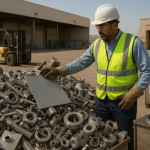
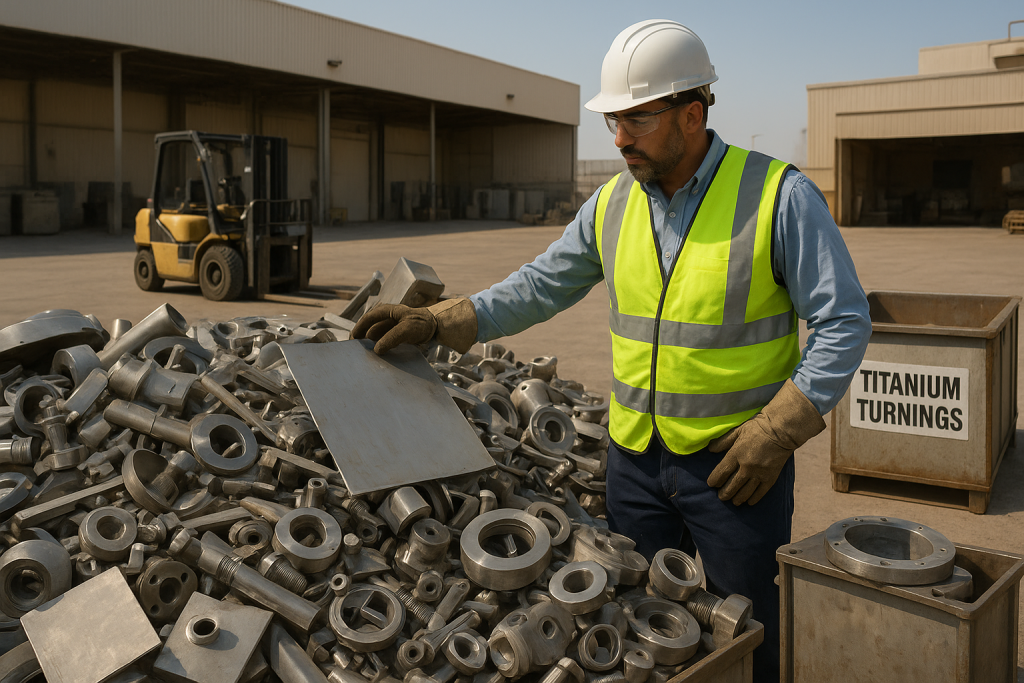
Titanium is a non-ferrous metal valued for its strength-to-weight ratio, corrosion resistance, and ability to perform in demanding environments. Industrial scrap can arise from fabrication, machining, maintenance, equipment replacement, inventory disposal, or project clearance. Common forms include clean sheet edges, pipe sections, bars, wire, valves, flanges, fasteners, cast parts, and production turnings.
Commercially pure titanium and titanium alloys should be kept separate when their identities are known. For example, Grade 2 commercially pure titanium is different from Grade 5, also known as Ti-6Al-4V. A magnet may help distinguish titanium from some ferrous metals, but it cannot confirm an alloy grade. Purchase records, material certificates, stamped markings, and controlled alloy analysis provide more useful identification.
Why Form and Condition Matter
Clean, traceable production offcuts are different from painted assemblies, oily swarf, demolition pieces, or components attached to steel. Solid titanium may be easier to inspect and handle than loose turnings. Thin chips and titanium dust can present fire risks, so they require suitable containers, careful housekeeping, and handling under the seller’s established safety procedures.
Choosing a titanium scrap buyer Dammam Businesses Can Work With
An industrial seller should look for a practical process rather than relying on a quotation based on a vague description. The buyer may need photographs, approximate weights, dimensions, alloy information, contamination details, and the collection address. Businesses can use Metal Scrap Dammam services to discuss available titanium, assessment requirements, and suitable collection arrangements without assuming that every load has the same grade or handling needs.
6 Essential Steps Before Selling Titanium Scrap
Preparing the material before requesting collection can reduce uncertainty, protect grade separation, and make an industrial pickup easier to coordinate.
- Identify the source and likely alloy. Record the machine, production process, component, or project that generated the scrap. Retain certificates, purchase documents, heat numbers, or legible grade markings when available. Do not guess an alloy solely from appearance.
- Separate titanium from other metals. Keep known grades apart and remove loose carbon steel, stainless steel, aluminum, copper, and mixed fasteners. Use labelled bins or designated areas so valuable sorted material does not become mixed scrap during routine housekeeping.
- Describe attachments and contamination. Disclose oil, coolant, coatings, rubber, plastic, insulation, scale, dirt, or welded attachments. Do not burn, grind, or use chemicals to clean material unless the work is covered by competent personnel and approved site procedures.
- Control chips and turnings safely. Store machining swarf in suitable, clearly identified containers. Keep fine titanium residues away from heat and ignition sources, and do not mix them with unknown powders or reactive waste. Tell the buyer whether turnings contain cutting fluid.
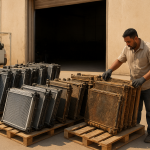
- Estimate quantity and dimensions. Provide an approximate weight, container count, bundle count, and the dimensions of large pieces. Explain whether material is loose, palletised, racked, drummed, or installed as part of equipment that requires dismantling.
- Document access and loading conditions. Share clear photographs and explain gate procedures, loading hours, vehicle restrictions, floor level, lifting points, and available site equipment. Confirm who is responsible for dismantling, lifting, packing, and loading before collection day.
How Titanium Scrap Is Evaluated
When selecting a titanium scrap buyer Dammam, businesses should expect the quotation to depend on the actual material rather than a universal rate. Scrap markets change, and two visually similar loads can differ in composition, cleanliness, recovery requirements, or transport cost.
- Grade and composition: Known, traceable alloys can be assessed more accurately than unidentified mixtures.
- Purity and sorting: Separate titanium generally has a clearer recycling route than mixed-metal material.
- Form and condition: Solids, sheet, pipe, components, chips, and fine residues require different handling.
- Contamination: Oils, coatings, dirt, moisture, and non-metal attachments may affect preparation.
- Quantity and collection: Load size, access, lifting, dismantling, and transport requirements influence the overall quotation.
A current assessment may involve reviewing photographs and records before an inspection or collection is arranged. Final weighing and grade confirmation should follow the agreed process. Sellers should request clarification about deductions, mixed grades, containers, and removal responsibilities before approving the sale.
Arranging Pickup with a titanium scrap buyer Dammam
Industrial collection starts with an accurate material summary. Send the type of titanium, estimated quantity, photographs, container details, site location, preferred timing, and a contact person familiar with access controls. If material is inside an operating factory or warehouse, identify vehicle routes, pedestrian restrictions, loading zones, inductions, work permits, and any equipment isolation requirements.
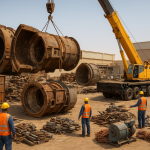
Large pipe sections, plates, or installed components may need a different plan from drums of machine turnings. Collection should not be booked on the assumption that lifting equipment, labour, cutting, or packaging will automatically be available. Confirm these responsibilities in advance and keep titanium segregated until loading is complete.
Responsible Recycling and Material Management
Recycling segregated titanium can return a specialised industrial metal to productive use while reducing avoidable mixing with lower-grade waste. Good records, safe storage, and controlled transfer also support responsible waste management. The UN Environment Programme provides broader information about resource conservation, waste reduction, and sustainable material management.
Businesses should also prevent liquids, fine particles, and contaminated packaging from being treated as clean titanium. Coolants or other process residues may need separate management under the site’s procedures. Clear disclosure allows the buyer and seller to decide whether additional preparation is necessary.
Titanium Scrap Collection in Dammam’s Industrial Environment
For companies comparing a titanium scrap buyer Dammam, local collection planning matters as much as material identification. Factories, machine shops, contractors, warehouses, and maintenance teams in Dammam industrial areas may have controlled gates, busy loading schedules, or restricted work zones. Sites around Second Industrial City may also need collection timing coordinated with production and logistics activity.
Dammam remains the primary service market, with Eastern Province requirements considered when relevant to a specific load. Providing the complete location, access instructions, quantity, and material condition helps determine whether inspection, collection equipment, or additional preparation should be discussed.
Frequently Asked Questions
What types of titanium scrap can be assessed?
Industrial material may include sheet offcuts, plate, tube, bar, wire, fasteners, valves, flanges, components, and machining turnings. Acceptance depends on grade, condition, contamination, quantity, and safe handling requirements. Send photographs and describe any attachments or residues before arranging pickup.
How can my business identify an unknown titanium alloy?
Check material certificates, purchasing records, component drawings, heat numbers, and stamped markings first. Appearance and magnet response are not enough to confirm a grade. Keep unidentified pieces separate rather than combining them with documented titanium, and discuss whether alloy analysis is required.
What details does a titanium scrap buyer Dammam need for a quotation?
Provide the known grade, material form, estimated weight, photographs, dimensions, contamination details, location, and loading conditions. Mention whether the scrap is loose, bundled, palletised, drummed, or still attached to equipment. Current market conditions and collection requirements may also affect the assessment.
Can oily titanium turnings be collected with clean solid scrap?
They should be disclosed and kept separate. Cutting fluids, moisture, mixed chips, and fine particles can change handling and evaluation requirements. Store turnings in suitable labelled containers under site safety procedures, avoid ignition sources, and confirm the proposed collection method before moving them.
Request a Titanium Scrap Assessment
Good preparation helps an industrial seller present titanium clearly, protect alloy separation, and avoid collection delays. If your business needs a titanium scrap buyer Dammam, contact Metal Scrap Dammam with photographs, grade information, approximate quantity, contamination details, and site access requirements.
Metal Scrap Dammam
Website: https://metalscrapdammam.com/
Call / WhatsApp: +966532510699
Email: info@metalscrapdammam.com