Guide to Removing and Recycling Electric Motors in Dammam
If you’re managing a factory, workshop, or maintenance yard and need help with electric motor scrap Dammam, this guide explains practical, safety-first steps for assessing, preparing, and arranging professional pickup so you get efficient removal and responsible recycling.
Understanding electric motor scrap Dammam: materials and types
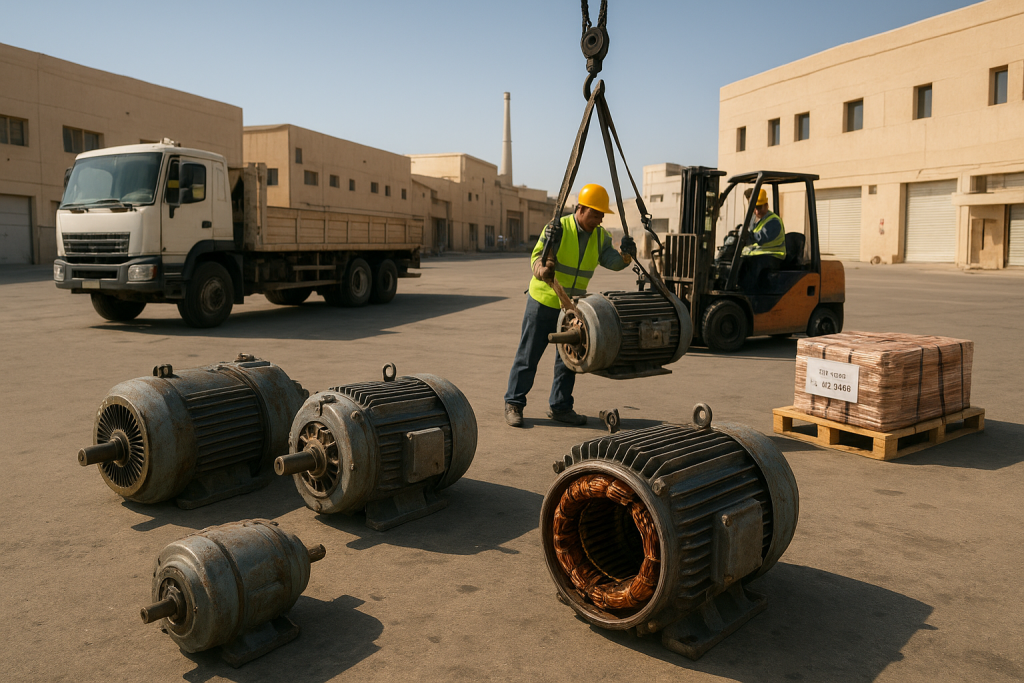
Electric motors contain a mix of ferrous and non-ferrous materials: steel housings and shafts, copper windings, aluminum end caps, bearings, and sometimes magnets or electronic components (brakes, encoders). Knowing the composition helps decide whether motors can be sold whole, need partial dismantling, or require special handling for hazardous components such as oils or insulation residues.
Why professional handling matters
Proper removal protects staff and equipment, avoids site damage, and improves the value recovered from scrap. Professional teams factor in weight handling, safe lifting, on-site disassembly, and correct separation of copper windings and steel frames, which affects how recyclers process the material. Responsible recycling also reduces landfill and supports circular resource use — see the UN Environment Programme for broader guidance on sustainable material management.
Six essential steps to remove and recycle electric motors
- Plan and assess the motors
Identify motor types (AC, DC, single-phase, three-phase), their mounting and electrical connections, approximate weights, and any attached ancillaries (pulleys, gearboxes). Mark any units with oils or hazardous labels. This assessment informs the equipment and manpower you’ll need for safe removal.
- Isolate power and document disconnection
Before any physical work, lock out and tag out electrical supplies and test to confirm isolation. Record serial numbers or asset tags if you require replacement traceability. Proper documentation speeds site clearance and avoids accidental energization.
- Drain fluids and remove hazardous items
If motors are attached to hydraulic systems, gearboxes, or have oil-filled brakes, drain and capture fluids in approved containers. Remove or tag batteries, capacitors, and electronic modules for separate handling. Contaminants reduce recyclable value and may require special disposal.
- Disassemble for better recovery
Where practical and safe, separate copper windings and aluminum components from steel housings. Copper windings typically attract higher recovery value but require time and skill to remove. Clearly segregating materials on-site reduces contamination and simplifies weighing and valuation at the recycling facility.
- Prepare for collection and loading
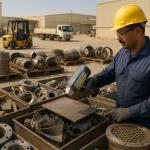
Bundle smaller motors and fragile components in crates or pallets. Ensure truck access, clear standoffs, and provide skid or forklift assistance for heavy units. Label loads and keep an inventory to reconcile with the collector. Accessibility and packaging reduce labor costs and the likelihood of rejected loads.
- Arrange professional pickup and documentation
Contact a reputable scrap collector to schedule a timed pickup. Confirm how they will weigh, grade, and document the load. Obtain a written receipt and, if needed for your records, a dismantling or transfer note for compliance and asset management.
Practical safety and handling tips
- Use mechanical lifting for motors above manual handling limits; secure loads to avoid shifting during transport.
- Wear PPE: gloves, eye protection, and cut-resistant sleeves when handling sharp steel edges or copper windings.
- Keep a spill kit for hydraulic oils and an accessible fire extinguisher when cutting or using hot tools.
- Tag and segregate items that require hazardous-waste procedures to avoid contaminating general scrap.
Factors that affect how motors are evaluated
When arranging pickup or seeking a quotation, the collector will typically evaluate:
- Material composition — percent copper vs steel and presence of aluminum or rare-earth magnets.
- Condition and contamination — oily parts or mixed materials lower recycling efficiency.
- Quantity and consistency — larger, homogeneous lots are easier to process.
- Accessibility and handling requirements — cranes, cutting, or dismantling needed on-site will affect the service plan.
How weighing and paperwork usually work
Collectors will often arrive with a calibrated scale, weigh the load before and/or after unloading, and issue a weight ticket. Keep copies for your records. If you require a formal asset disposal or environmental compliance note, request that as part of the collection service.
Local considerations for Dammam and the Eastern Province
Industrial sites in Dammam, including heavy manufacturing areas and the Second Industrial City, often have frequent needs for machinery removal. For large plant clearances or scheduled maintenance windows, coordinate timing with site managers to ensure crane access, road permits, and workforce safety. Metal Scrap Dammam offers industrial pickup solutions tailored to local logistics and can advise on safe dismantling, site coordination, and required documentation for businesses across the Eastern Province.
Environmental benefits of proper motor recycling
Recovering copper, steel, and aluminum reduces the need for virgin mining and lowers energy use in manufacturing. Proper separation of hazardous components also prevents soil and water contamination. Responsible collectors follow recycling best practices that align with international resource management guidance from organizations such as the UN Environment Programme.
FAQs
1. What motor types do you accept?
We accept industrial and commercial electric motors of varying sizes, including AC and DC units. Please disclose any attached gearboxes, oils, or electronic modules so we can advise on safe handling.
2. Do motors need to be dismantled before pickup?
Partial dismantling (removing copper windings or separating housings) can improve value, but our team can also offer on-site dismantling for larger lots or when safe lifting equipment is available.
3. How do you handle hazardous components?
Fluids, batteries, capacitors, and electronic controls are segregated and processed according to applicable waste-handling practices. We will provide guidance on draining fluids and securing hazardous items before collection.
4. What information should I provide for a quotation?
Provide motor counts, approximate sizes/weights, photos if possible, and the collection site (Dammam or nearby). Note any accessibility constraints or required on-site services so we can prepare the correct equipment and crew.
Conclusion and contact
Following these six essential steps will make removal, collection, and recycling of electric motors efficient, safe, and environmentally responsible. For tailored advice and to schedule pickup in Dammam, contact Metal Scrap Dammam. We handle industrial collections and can help with site coordination, weighing, and documentation to simplify your machinery disposal.
Contact Metal Scrap Dammam
Website: Metal Scrap Dammam services
Call/WhatsApp: +966532510699
Email: info@metalscrapdammam.com
If you have electric motor scrap Dammam ready for collection or need an on-site assessment, reach out today to arrange a safe, documented removal.