elevator equipment recycling Dammam: A Practical Guide
Decommissioning a lift can leave a substantial mix of steel, copper, aluminum, electronic components, motors, cables, doors, and mechanical assemblies. Proper planning for elevator equipment recycling Dammam helps building owners, facility managers, contractors, and maintenance teams identify recoverable material, separate unsuitable waste, and discuss realistic collection arrangements with a scrap buyer.
Elevator equipment should not be treated as one uniform scrap grade. Each assembly can contain several materials, and safe removal must come before recycling. A qualified elevator contractor should isolate the system, secure moving parts, and complete technical dismantling before scrap is prepared for collection.
What Materials Are Found in Decommissioned Elevators?
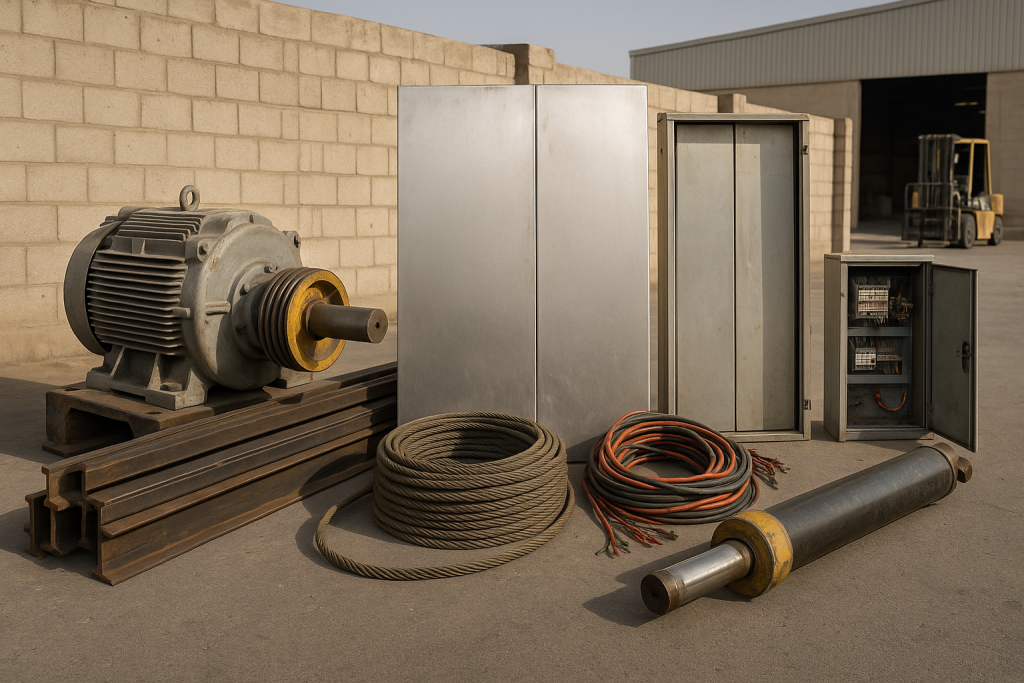
The exact material mix depends on whether the lift is traction, hydraulic, or another design. Its age, capacity, construction, and previous modifications also matter. Common recoverable components may include:
- Traction machines and motors: Often contain ferrous housings, steel shafts, and copper windings.
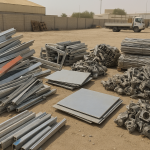
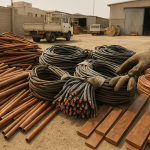
- Guide rails and structural supports: Usually heavy ferrous material that can be grouped as steel scrap.
- Suspension ropes and sheaves: Steel ropes may carry grease, while sheaves can be cast iron or steel.
- Doors, frames, and cabin panels: These may include painted steel, stainless steel, or aluminum.
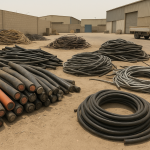
- Power and control cables: Cable types differ in copper content, insulation, connectors, and contamination.
- Controllers and electrical parts: Cabinets, contactors, circuit boards, switches, and backup batteries need separate identification.
Counterweights require particular attention because their contents vary. Some use cast-iron blocks, while others contain concrete or composite filling. Hydraulic systems can also retain oil in cylinders, pipes, tanks, or power units. Do not assume every heavy component is clean metal or suitable for the same recycling route.
7 Smart, Essential Tips for elevator equipment recycling Dammam
-
Confirm That Decommissioning Is Complete
Scrap planning should begin only after the lift has been safely taken out of service. Confirm that electrical supplies are isolated, stored energy is controlled, the car and counterweight are secured, and dismantling responsibilities are clear. A scrap collector should not be expected to perform specialist elevator engineering work unless that scope has been explicitly assessed and agreed.
-
Create a Component Inventory
List the main items before requesting a quotation. Record motors, traction machines, rails, doors, cabin panels, cables, control cabinets, cylinders, and counterweights separately. Add approximate quantities, dimensions, and photographs. An inventory helps a buyer understand the material mix and reduces uncertainty about removal and loading requirements.
-
Separate Ferrous and Non-Ferrous Metals
Steel and iron are ferrous, while copper, aluminum, brass, and many stainless-steel grades are handled separately. A magnet can support preliminary identification, but it is not a complete grading method. Keep copper cable, aluminum trim, stainless panels, steel rails, and motor assemblies in distinct groups where practical.
-
Control Oil and Other Contamination
Drainage and handling requirements should be discussed with the elevator contractor and relevant service providers. Hydraulic oil, grease, concrete, rubber, plastic insulation, glass, and attached building material can affect classification and value. Keep leaking components contained, protect drainage points, and disclose contamination when speaking with a buyer.
-
Avoid Damaging Valuable Components
Random cutting can mix grades, reduce recoverable value, and create handling hazards. For elevator equipment recycling Dammam, it is usually more useful to preserve identifiable motors, clean cables, stainless panels, and aluminum sections until a buyer advises how they should be prepared. Never open electrical equipment unless the work is safe and authorized for the site.
-
Plan Access and Loading
Identify where the dismantled equipment will be stored and how it can leave the building. Note basement access, loading-bay dimensions, ramps, gate restrictions, floor loading limits, security procedures, and permitted working periods. Heavy rails, motors, and cylinders may require a separate lifting or loading plan coordinated with the appropriate site contractor.
-
Share Clear Information Before Collection
Provide current photos, the site area, estimated quantity, material condition, floor level, parking access, and whether equipment is loose or still fixed in place. State who is responsible for dismantling and loading. Clear details allow collection options to be discussed without relying on assumptions about the building or equipment.
How Decommissioned Elevator Scrap Is Evaluated
A buyer will usually assess the equipment by material rather than by its former function. A useful elevator equipment recycling Dammam enquiry therefore identifies the metals and assemblies instead of describing everything simply as an old lift. Evaluation may consider:
- Metal type, grade, and estimated recoverable content
- Quantity and consistency of each sorted category
- Oil, concrete, insulation, glass, or other contamination
- Whether motors, cables, panels, and rails are separated
- Condition, dimensions, and ease of safe handling
- Site access, loading needs, and collection requirements
- Current market conditions for the relevant scrap grades
No fixed rate applies to every elevator project. For example, a complete motor assembly is assessed differently from clean copper winding, and stainless cabin panels differ from painted mild-steel doors. Accurate descriptions and photographs support a more relevant quotation.
How Collection and Recycling Generally Work
Once technical decommissioning is complete, the seller typically prepares an inventory and sends site information to a buyer. The buyer may ask follow-up questions about material grades, weight estimates, contamination, loading, and access. Collection scope, timing, responsibilities, and any preparation requirements should be confirmed before equipment is moved.
- Complete specialist isolation and dismantling.
- Sort and label the recoverable material groups.
- Photograph the equipment and document access conditions.
- Discuss assessment, loading responsibility, and collection options.
At collection, material may be checked against the description and evaluated according to the agreed method. Sellers should clarify how quantity or weight will be established, what deductions could apply to non-metal attachments, and whether any components need a different handling route.
Planning elevator equipment recycling Dammam Projects
Dammam projects can involve occupied commercial buildings, residential towers, hotels, warehouses, hospitals, or industrial premises, each with different access constraints. Facility managers may need to coordinate building security, contractor permits, loading areas, tenant disruption, and temporary storage before discussing scrap removal.
For sites elsewhere in the Eastern Province, transport distance and access can also influence collection planning. Metal Scrap Dammam serves Dammam and the Eastern Province; share the exact site area rather than assuming that collection arrangements are identical across locations. Visit the Metal Scrap Dammam website for contact details.
Responsible Handling and Material Recovery
Separating reusable metal from mixed demolition waste supports resource conservation and can reduce avoidable disposal. Steel rails can enter ferrous recycling streams, while copper, aluminum, and stainless steel are more useful when kept distinct. Motors and control equipment may require further separation by appropriate downstream handlers.
Responsible material management also means preventing oil releases, isolating batteries, and keeping electronic parts out of general waste where a suitable route is required. The UN Environment Programme provides broader information on resource efficiency, waste reduction, and sustainable material management. Always confirm site-specific handling requirements before removal.
Frequently Asked Questions
Are all decommissioned elevator parts accepted as metal scrap?
Not necessarily. Clean steel, copper cable, aluminum, stainless steel, motors, and mechanical assemblies may be relevant, but concrete counterweights, glass, batteries, oil, electronics, and mixed waste can need separate assessment. Send an itemized list and photographs so the material can be discussed accurately.
Should elevator motors and cables be dismantled before collection?
Do not dismantle equipment solely to expose metal without first considering safety and value. Identifiable motors and sorted cables can often be assessed as separate categories. Ask the buyer what preparation is useful, and leave technical disconnection or hazardous work to suitable contractors.
What affects the value of old elevator equipment?
Important factors include metal composition, grade, recoverable content, quantity, sorting, contamination, condition, current market conditions, and collection requirements. Heavy weight alone does not determine value because concrete, oil, insulation, glass, and other non-metal content may affect the assessment.
What should I provide when requesting elevator equipment recycling Dammam?
Provide photos, a component list, approximate quantities, the site area, floor or basement location, access dimensions, loading arrangements, contamination details, and the dismantling status. Mention any security procedures or collection restrictions that could influence planning.
Discuss Your Decommissioned Elevator Equipment
If you are planning elevator equipment recycling Dammam, contact Metal Scrap Dammam to discuss the material type, estimated quantity, condition, site access, loading responsibilities, and possible collection options. Photos of motors, rails, doors, cables, controllers, and other separated parts can help make the initial discussion more specific.
Metal Scrap Dammam
Website: https://metalscrapdammam.com/
Call / WhatsApp: +966532510699
Email: info@metalscrapdammam.com