generator recycling Dammam: Industrial Generator Disposal Guide
An old, damaged, or surplus generator occupies valuable space and may contain fuel, lubricants, batteries, cables, and several recoverable metals. For businesses considering generator recycling Dammam, the practical goal is to arrange safe decommissioning, realistic value assessment, and suitable collection without disrupting the site. The industrial scrap services from Metal Scrap Dammam can help factories, contractors, workshops, warehouses, and facility teams discuss generator condition, access, loading, and recycling requirements.
What Can Be Recovered from an Industrial Generator?
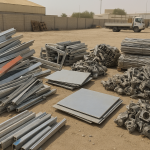
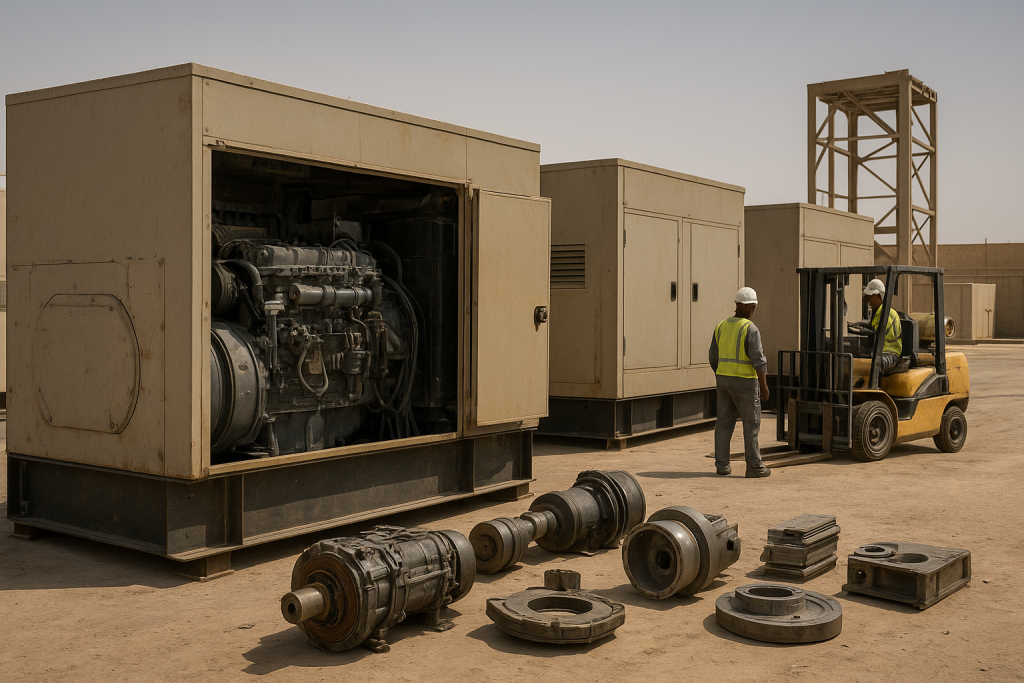
A complete generator set, often called a genset, normally combines an engine, alternator, cooling system, control panel, base frame, fuel system, and protective enclosure. Its main ferrous materials may include structural steel, sheet-steel panels, shafts, brackets, and a cast-iron engine block. These heavier materials are generally separated from non-ferrous components during processing.
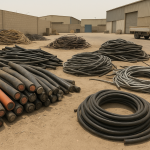
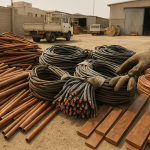
Non-ferrous content can include copper alternator windings, insulated power cable, aluminum housings, radiator material, brass connectors, and selected electrical components. The actual composition varies by generator type and design. Starting batteries require a separate recycling route, while residual diesel, engine oil, and coolant must be controlled rather than mixed with metal scrap. These differences make a generator more complex than an ordinary pile of steel.
When generator recycling Dammam Is Appropriate
Recycling may be suitable when a unit is beyond economical repair, obsolete, damaged, stripped of essential parts, or no longer required after a facility upgrade. A working generator may first deserve consideration for reuse or resale, depending on its age, condition, documentation, and market demand.
- Standby generators removed during building renovation
- Diesel gensets replaced during factory equipment upgrades
- Damaged units stored in workshops or warehouses
- Multiple generators included in an industrial clearance
6 Smart, Essential Steps for Industrial Generator Disposal
A planned process protects workers, reduces delays, and provides better information for assessment. Use these six steps before requesting removal.
- Identify and document the unit. Record the generator type, approximate dimensions, nameplate details, operating condition, and whether major components remain installed. Clear photographs of the enclosure, engine, alternator, control panel, cables, and base frame help a scrap buyer understand what is present before arranging a visit or quotation.
- Decommission electrical and fuel connections. A competent site team should shut down the equipment, isolate it from switchgear or transfer systems, disconnect external cables, and apply the facility’s approved isolation procedure. Fuel lines must be closed securely. Do not cut energized cables or move a generator that remains connected to building services.
- Control fluids and batteries. Check for diesel, lubricating oil, coolant, and leaking battery electrolyte. Fluids should be drained or contained by qualified personnel using suitable containers and site procedures. Batteries should be disconnected safely and kept separate. Never release liquids onto soil, paving, drains, or mixed scrap.
- Keep useful metals identifiable. Avoid burning cable, smashing the alternator, or mixing generator parts with general waste. If dismantling has been agreed, separate steel, copper-bearing cable, aluminum components, radiators, and batteries into sensible groups. Controlled sorting helps identification, but unnecessary dismantling can create hazards and additional labor.
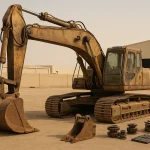
- Plan access and lifting. Confirm the unit’s position, route to the loading point, gate width, floor condition, overhead clearance, and any stairs or tight turns. State whether a forklift, crane, winch, skates, or truck-mounted loading equipment may be needed. Generator weight should come from reliable equipment records where available, not visual guesswork.
- Request an informed assessment. A useful generator recycling Dammam enquiry includes photographs, quantity, location within the site, known weight, condition, fluid status, and access restrictions. The buyer can then discuss whether further inspection is needed, what preparation remains, and how collection could be coordinated.
How Generator Scrap Is Evaluated
The value assessment for generator recycling Dammam is not based on one universal rate. A complete unit contains materials with different grades and recovery costs, while removal requirements can vary considerably between an accessible yard-level generator and a unit installed inside a restricted plant room.
- Composition: steel, cast iron, copper, aluminum, brass, cable, and electrical parts
- Completeness: presence of the engine, alternator, radiator, enclosure, and control equipment
- Condition: intact, dismantled, fire-damaged, corroded, or contaminated
- Quantity: one generator or multiple units in a wider machinery clearance
- Sorting: complete equipment versus clearly separated material groups
- Logistics: access, lifting method, labor, transport, and collection distance
Current metal market conditions also influence an assessment. Supplying accurate details allows Metal Scrap Dammam to consider recoverable material together with the practical cost of collection and removal. A current quotation should therefore be requested rather than relying on an old online price or an estimated rate per kilogram.
Collection, Loading, and Site Coordination
Industrial generator pickup should be coordinated with the person responsible for maintenance, security, and site access. Before the vehicle arrives, confirm the collection window, entry requirements, loading area, equipment dimensions, and whether production traffic will share the route. Remove unrelated obstacles and ensure the generator can be approached without crossing unsafe ground.
Indoor plant rooms, rooftops, basements, raised platforms, and narrow service corridors require additional planning. Photographs and a simple route description can identify likely lifting issues. Where specialized rigging is required, the removal method should be agreed before work begins rather than improvised during collection.
Responsible Recycling and Material Management
Responsible generator recycling Dammam separates reusable equipment, recoverable metal, batteries, fluids, and non-metal residues instead of treating the entire unit as mixed waste. This supports safer handling and allows steel, cast iron, copper, and aluminum to return to appropriate material streams.
Waste reduction and resource conservation are also part of wider sustainable material management. Guidance and international context from the UN Environment Programme reinforce the importance of reducing waste and keeping recoverable resources in productive use. At site level, this begins with careful isolation, containment, sorting, and documentation.
Planning Generator Removal in Dammam
For generator recycling Dammam projects, industrial access can be as important as material content. Sites in Dammam industrial areas and Second Industrial City may have security procedures, heavy-vehicle routes, active loading bays, or limited collection hours. Heat, dust, and outdoor storage can also affect unit condition and working arrangements.
Nearby Eastern Province projects may be discussed when transport and quantity make collection practical, but Dammam remains the primary market. Share the exact pickup area, site type, generator quantity, and access details when requesting an assessment.
Frequently Asked Questions
Can a complete diesel generator be collected as scrap?
A complete unit may be assessed, but acceptance and collection depend on its size, condition, fluid status, location, and loading requirements. Provide photographs and equipment details before arranging pickup. Do not assume that a truck can load a heavy genset without suitable lifting access.
Must I dismantle the generator before requesting a quotation?
Not necessarily. Keeping the generator complete may make identification easier. Ask before dismantling, especially if cables, batteries, fluids, or heavy components are involved. If sorting is requested, separate materials carefully without burning insulation or using unsafe cutting methods.
Does copper inside the alternator affect the assessment?
Copper-bearing windings can influence recoverable material value, but the alternator design, completeness, contamination, total quantity, and dismantling effort also matter. Photographs help with an initial review, while final evaluation may require direct inspection or weighing.
Can generators be removed from basements or enclosed plant rooms?
Collection may be possible after reviewing the route, dimensions, weight information, ventilation, doorway clearance, floor capacity, and lifting needs. Send images from the generator to the loading point. Complex removals should be planned case by case with the appropriate site personnel.
Request a Generator Scrap Assessment
To discuss generator recycling Dammam, send the generator type, quantity, condition, photographs, pickup area, and loading details. Metal Scrap Dammam can review the information and discuss an appropriate assessment, preparation, and collection approach without relying on invented prices or assumptions.
Metal Scrap Dammam — https://metalscrapdammam.com/
Call / WhatsApp: +966532510699 | Email: info@metalscrapdammam.com