Preparing and Sorting Scrap Metals for Collection in Dammam
If you want to prepare scrap for collection Dammam households, workshops and industrial sites can follow simple, proven steps to speed up pickup, improve safety and maximise recycling value. This practical guide covers the six essential steps to get metal ready, explains which materials are accepted, and includes Dammam-specific advice for contractors, factories and facility managers.
How to prepare scrap for collection Dammam: 6 Easy Steps
Following these six clear steps to prepare scrap for collection Dammam will reduce delays, avoid sorting fees and help your scrap reach recycling streams more efficiently.
-
Sort by metal type
Separate ferrous metals (steel, iron, rebar) from non-ferrous metals (aluminum, copper, brass). Clearly labelled piles make weighing and pricing faster at collection. Avoid mixing painted or heavily contaminated items with clean metal when possible.
-
Remove non-metal attachments
Take off wood, plastic, glass and insulation from pipes, frames, and machinery parts. Removing obvious non-metal elements reduces contamination and work for the scrap crew.
-
Cut or collapse large items
Lightweight cutting or collapsing bulky metal (sheet metal, small tanks, frames) helps with transport and saves space. Use appropriate tools and PPE; if items contain hazardous residues, notify the collector first.
-
Bundle and secure small pieces
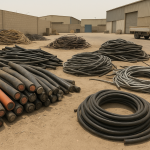
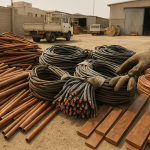
Tightly bundle scrap like copper wire, aluminum offcuts and small iron pieces using wire or strapping. Bundles are safer to handle and reduce loose material loss during loading.
-
Label and weigh when possible
When feasible, label bundles with metal type and approximate weight. Even rough estimates help the pickup team plan vehicles and scales. Accurate presentation expedites processing at the yard.
-
Final safety and access checks
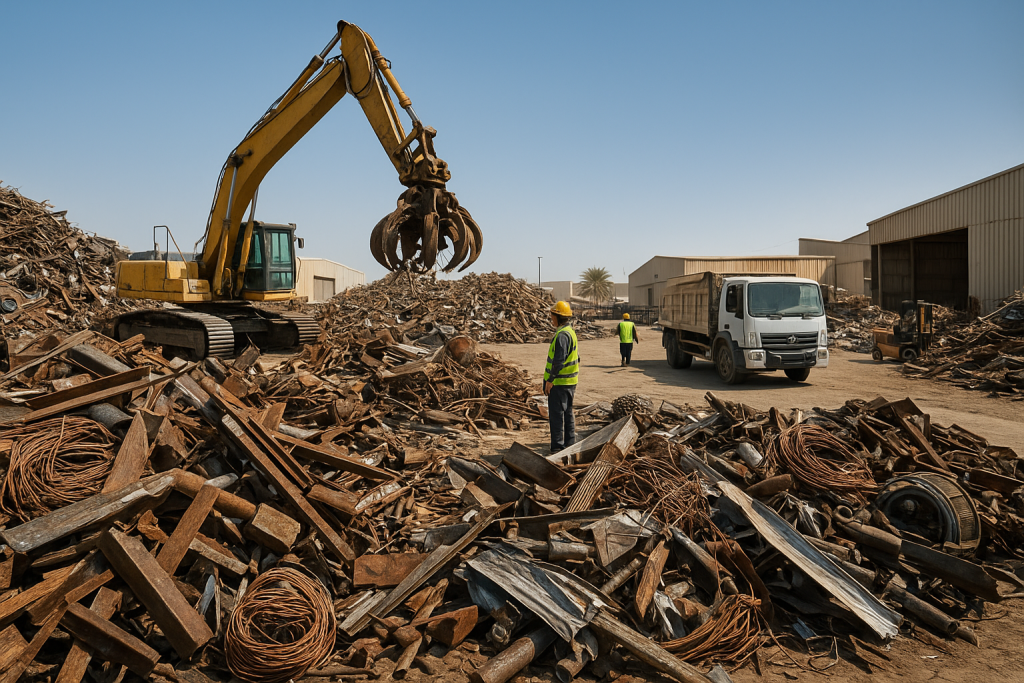
Clear a safe, level loading area and keep vehicles and forklifts unobstructed. Final checks help prepare scrap for collection Dammam by reducing on-site delays and ensuring staff safety during loading and weighing.
What materials to separate and prepare
Common materials to separate include:
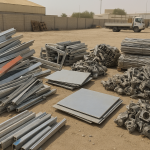
- Steel and iron: beams, rebar, structural sections
- Aluminium: window frames, sheets, profiles
- Copper: cable, tubing, motors
- Stainless steel: kitchen equipment, piping
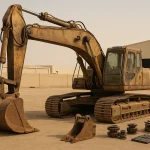
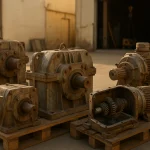
- Mixed industrial equipment: motors, gearboxes, light machinery parts (remove fluids first)
Keep oily, chemical or hazardous items isolated and inform your scrap buyer before collection so they can follow safe handling procedures.
Dammam-specific tips for a smooth pickup
Local conditions in Dammam and the wider Eastern Province influence collection logistics. When you prepare scrap for collection Dammam sites should consider heat, site access and traffic during working hours. If your site is in an industrial area near Khobar, Dhahran or Jubail, confirm vehicle access, gate clearance and preferred loading zones in advance.
Communicate parking and forklift needs ahead of time so the collection team can bring suitable vehicles and personnel.
How commercial and industrial collection usually works
Most scrap pickup processes involve a site inspection or photos, an agreed scope, scheduled pickup and onsite weighing. For larger industrial clearances—factories, warehouses, construction sites—Metal Scrap Dammam can arrange containerised removal, forklifts and on-site cutting if required. For more information about services, see our Metal Scrap Dammam services.
Why professional scrap handling helps
- Safety: reduces onsite hazards and ensures proper handling of heavy or sharp items.
- Efficiency: professional buyers and crews speed loading and reduce your downtime.
- Environmental compliance: responsible recycling routes keep materials out of landfill and support circular use.
For guidance on global recycling benefits and environmental responsibility see the UN Environment Programme.
Benefits for different audiences
Whether you manage a factory, run a construction project, operate a workshop or clear a warehouse, following the steps above saves time and reduces costs during collection. Contractors and facility managers often benefit most from pre-sorted, well-bundled metal, while households should focus on clear separation and safe access for pickup.
FAQs
1. How should I prepare scrap for collection Dammam if I run a factory?
Focus on segregating metal types, draining fluids from machinery, creating clear access routes for forklifts and providing bundles or pallets for smaller items. Schedule a site assessment with the buyer to discuss volume and equipment needs.
2. Do I need permits to remove industrial scrap in Dammam?
Regulations can vary by municipality and the nature of the material. For hazardous or regulated waste, check local regulations and inform your collector. Metal Scrap Dammam can advise on common requirements and best practices.
3. Will my scrap be weighed on site or at the yard?
Weighing may occur on-site or at the collection yard depending on the arrangement. Clear preparation and labelling speeds both procedures and reduces disputes at weighing.
4. What if scrap contains hazardous residues?
Isolate hazardous items, do not mix them with clean metal, and notify the buyer. Professional collectors follow safe handling protocols for contaminated or oil-soaked materials.
Conclusion and next steps
Following these six practical steps makes it easier to prepare scrap for collection Dammam and helps ensure a safe, efficient pickup. For commercial clearances, factory scrap removal or routine scrap pickup, contact Metal Scrap Dammam to discuss your site and schedule a collection. Ready to prepare scrap for collection Dammam? Reach out at Metal Scrap Dammam services, WhatsApp or call +966532510699, or email info@metalscrapdammam.com.