sheet metal offcuts recycling Dammam: 7 Smart, Essential Tips
Fabrication shops produce reusable metal remnants every day through laser cutting, punching, shearing, bending and other processes. Arranging sheet metal offcuts recycling Dammam allows these businesses to clear production areas, separate recoverable material and request an informed quotation instead of treating valuable metal as general waste.
The practical priorities are identifying the base metal, keeping grades separate, controlling contamination and preparing the load for safe collection. Whether the stock consists of regular production scrap or a one-time workshop clearance, good preparation can make assessment and removal more efficient.
What Counts as Recyclable Sheet Metal Offcuts?
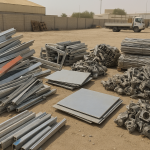
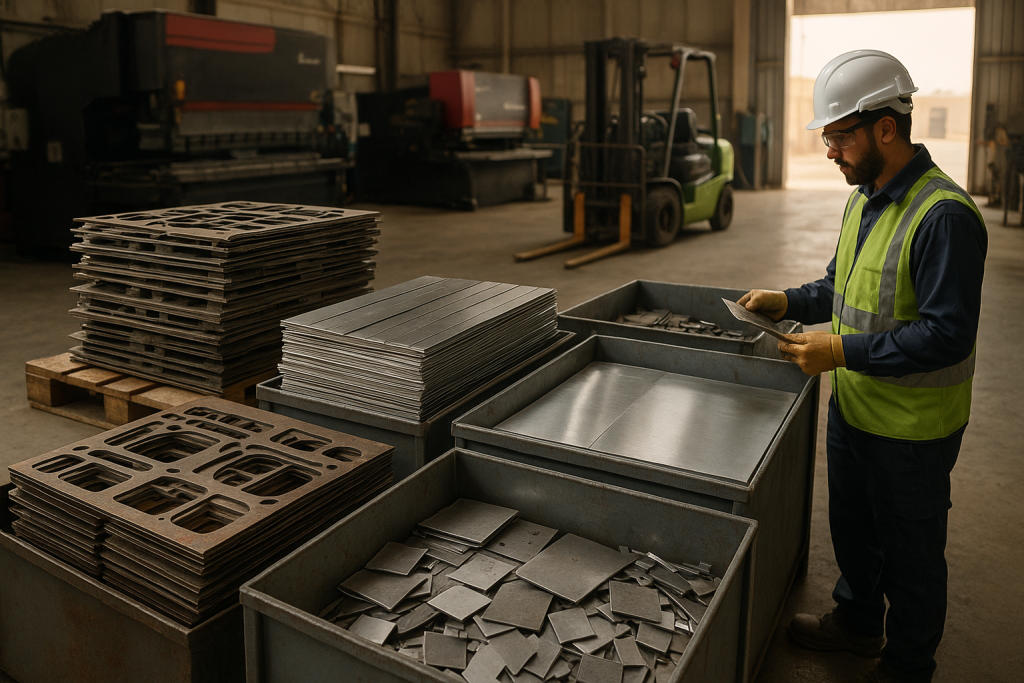
Typical fabrication remnants include laser-cut skeletons, punched sheets, narrow strips, rejected blanks, trimmed edges, test pieces and damaged panels. They may be mild steel, galvanized steel, stainless steel or aluminum. Some shops also generate coated sheet, perforated material and small quantities of copper or brass alongside their main production scrap.
Correct identification matters because different metals and grades are evaluated separately. A magnet can help distinguish many ferrous materials from aluminum and some stainless grades, but it is only a preliminary check. Purchase records, mill markings and workshop knowledge are often more reliable when stainless alloys, coated products or similar-looking sheets are involved.
7 Practical Tips for sheet metal offcuts recycling Dammam
These seven steps help fabrication teams prepare offcuts for assessment, storage and collection without disrupting normal workshop operations.
-
Separate Offcuts by Base Metal
Keep mild steel, stainless steel and aluminum in different bins, cages or marked floor areas. Mixed loads take longer to inspect and may be valued differently from clearly separated material. Avoid placing small stainless or aluminum pieces inside steel skeletons, where they can be overlooked during loading.
-
Distinguish Grades and Surface Types
Where records are available, separate stainless grades and different aluminum alloys. Keep galvanized, painted or plastic-coated sheet apart from clean bare metal when practical. Accurate labels based on known purchasing or production information are more useful than guessing an alloy from appearance alone.
-
Reduce Avoidable Contamination
Remove cardboard, timber, plastic film, rubber, excessive oil and general workshop rubbish. Fasteners or attached metal components should be identified if they differ from the parent sheet. Cleaner, consistently sorted scrap is easier to inspect and prepare for recycling.
-
Control Sharp Edges Safely
Sheet offcuts can have burrs, pointed corners and spring-loaded shapes. Stack flat pieces securely, contain small cuttings in suitable bins and prevent strips from projecting into walkways. Workers handling the material should follow the workshop’s established personal protective equipment and lifting procedures.
-
Use Practical Containers
Choose containers that suit the offcut size and available handling equipment. Small punched pieces may fit in robust bins, while large skeletons can be stacked together. Do not overload containers, and confirm that forklifts, pallet jacks or lifting equipment can approach them safely.
-
Keep Material Dry and Accessible
Store prepared scrap away from standing water, chemicals and unrelated waste. Leave enough room for inspection and collection equipment. If material is behind machinery, blocked by finished goods or spread across several rooms, explain these access conditions before pickup is planned.
-
Record Quantity and Collection Details
Provide approximate weight, container count, stack dimensions or clear photographs when requesting a quotation. Also note loading support, gate requirements, operating hours and any site induction process. Accurate information helps determine the suitable vehicle, labour and removal approach.
How Collection and Removal Generally Work
Start by sharing the metal types, estimated quantity, photographs and pickup location. Mention whether the offcuts are loose, bundled, palletized or stored in bins. A mixed pile of fine punchings requires a different handling plan from large laser-cut skeletons or neatly stacked sheets.
The buyer can review the information, clarify grading and discuss a quotation based on the material and collection requirements. For larger or complex loads, further assessment may be appropriate before arrangements are confirmed. Businesses can review Metal Scrap Dammam services and provide details of their fabrication scrap.
Before collection, create a safe loading route and nominate a site contact. Confirm vehicle access, security procedures and available lifting support. During removal, keep production staff clear of the loading area and avoid last-minute additions of unclassified waste that were not included in the original assessment.
How Sheet Metal Scrap Is Evaluated
An assessment for sheet metal offcuts recycling Dammam may consider the base metal, known grade, cleanliness, coating, corrosion, quantity and consistency of sorting. Dense, uniform batches can differ from mixed bins containing several alloys. Current market conditions also affect quotations, so old rates or unrelated online figures should not be treated as current offers.
Collection requirements are relevant as well. Accessibility, distance within the site, container type, loading support and the need to cut or consolidate oversized pieces can influence the overall arrangement. For a current quotation, provide Metal Scrap Dammam with truthful descriptions and recent photographs rather than relying on an unsupported weight estimate.
Planning Scrap Collection in Dammam
For sheet metal offcuts recycling Dammam, local planning should reflect the operating conditions of fabrication shops and industrial areas. Production schedules, busy loading bays, security controls and heavy vehicle access can all affect timing. Preparing the material before the planned visit reduces interference with deliveries and manufacturing work.
Businesses elsewhere in the Eastern Province may also have transport or industrial coordination considerations, but Dammam remains the primary service market. When requesting collection, share the exact site location and access information so availability and logistics can be discussed without implying an unverified branch or facility.
Responsible Recycling and Material Recovery
Responsible sheet metal offcuts recycling Dammam keeps recoverable steel, stainless steel and aluminum in a material cycle rather than mixing them with general refuse. Source separation supports more effective processing because recyclers can direct cleaner grades toward appropriate sorting, size reduction and metal recovery operations.
Waste reduction and resource conservation are broader sustainable material-management priorities discussed by the UN Environment Programme. Fabricators can contribute by designing efficient cutting layouts, monitoring avoidable scrap and maintaining separate collection systems for the unavoidable remnants generated by production.
Frequently Asked Questions
Which fabrication offcuts can be considered for recycling?
Common materials include mild steel, galvanized sheet, stainless steel and aluminum offcuts. Laser skeletons, strips, blanks, punchings and rejected components may be suitable. Share details about coatings, attached materials and contamination so the batch can be assessed accurately.
Should small punchings and large skeletons be stored together?
Usually, separate containment is more practical. Small pieces can fall from stacks or create handling hazards, while large skeletons need stable stacking and suitable lifting access. Keep different metals separate even when their offcut shapes are similar.
Do fabrication shops need to weigh the material before requesting pickup?
An exact weight is not always necessary for an initial discussion. Approximate weights, bin counts, dimensions and photographs are useful. The final evaluation should use an agreed weighing or assessment method appropriate to the collection arrangement.
Can recurring workshop scrap be collected in Dammam?
For recurring sheet metal offcuts recycling Dammam requirements, provide the expected material types, typical volume, storage method and preferred collection pattern. Availability and suitable arrangements can then be discussed based on actual production and access conditions.
Arrange an Assessment for Your Sheet Metal Offcuts
Good sorting, safe storage and accurate load information make sheet metal offcuts recycling Dammam easier to evaluate and coordinate. Send Metal Scrap Dammam photographs, material descriptions, approximate quantities and site-access details to discuss a current quotation or suitable collection plan.
Contact Metal Scrap Dammam
Call / WhatsApp: +966532510699
Email: info@metalscrapdammam.com