metal shavings recycling Dammam: Practical Machine Shop Guide
CNC turning, milling, drilling, sawing, and grinding can leave machine shops with bins of swarf, coiled turnings, short chips, and fine metallic particles. For workshops considering metal shavings recycling Dammam, the practical priorities are identifying each metal, preventing avoidable contamination, and arranging collection that suits the quantity and site access. Metal Scrap Dammam can discuss the material, storage method, loading conditions, and collection requirements before providing a current quotation.
A disciplined recovery process can keep recyclable metal out of general waste while making workshop storage easier to manage. The details matter because clean, separated aluminum or brass turnings are assessed differently from mixed chips containing steel, abrasive residue, oil, plastic, or general rubbish.
Understanding Machine Shop Shavings and Swarf
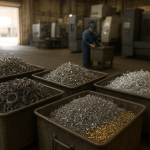
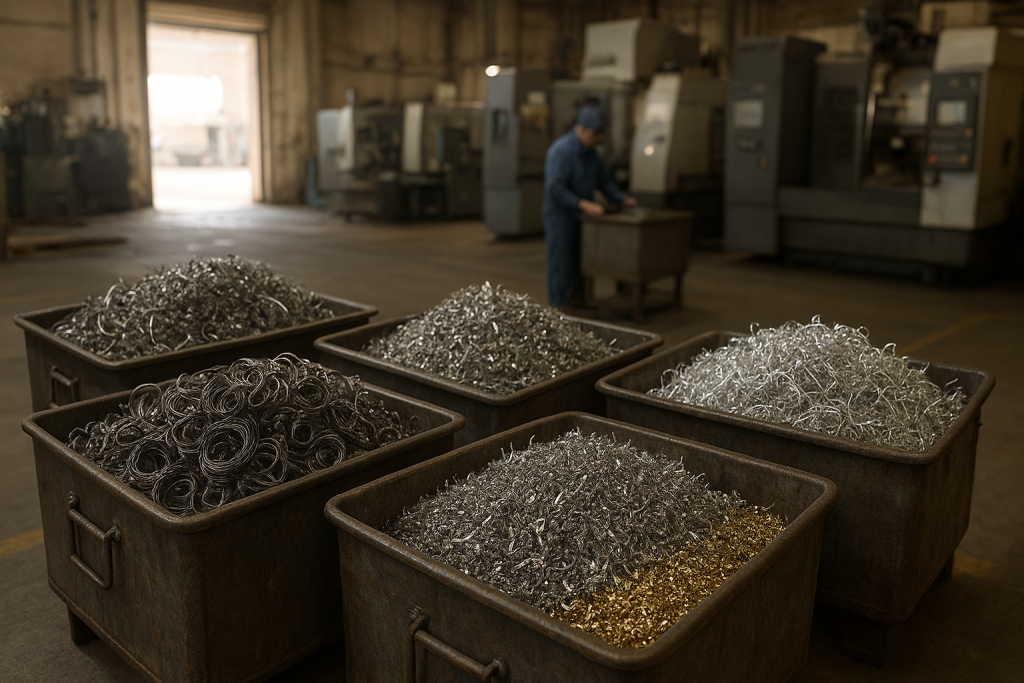
Metal shavings are machining by-products rather than one uniform scrap grade. They may include carbon steel turnings, cast iron borings, stainless steel chips, aluminum swarf, brass turnings, copper-bearing material, or alloy-specific production scrap. Chip shape also varies. A lathe may generate long spirals, while milling and drilling often create shorter chips. Grinding can produce fine particles mixed with abrasive material, which requires separate consideration.
Identify Ferrous and Non-Ferrous Material
A magnet can help with an initial separation of many ferrous materials, but it should not be treated as a complete identification method. Some stainless grades respond weakly or not at all, and coated or mixed pieces can be misleading. Production records, alloy specifications, machine schedules, and known bar stock are often more reliable. Aluminum is lightweight, while brass and copper alloys have recognizable colors, but oily surfaces and oxidation can make visual identification harder.
Cutting oil, coolant, water, tramp oil, rags, filters, inserts, plastic packaging, and floor sweepings can reduce the cleanliness of a load. Fine chips also have a large surface area and may present handling or combustion concerns for certain alloys. Workshops should follow their established safety procedures and material guidance, keep hot chips out of containers, and avoid mixing incompatible materials.
6 Essential Steps for metal shavings recycling Dammam
The following six steps create a practical routine for preparing machine-shop scrap without disrupting production.
- Confirm the metal at its source. Link each container to the machine, job, and alloy being processed. If a machine changes from carbon steel to stainless steel or aluminum, clear residual chips before starting a new collection batch. This reduces cross-contamination at the earliest stage.
- Use dedicated, suitable containers. Assign separate bins or drums to important metal groups and keep them stable, covered where appropriate, and away from traffic routes. Containers should withstand sharp edges and the expected weight without tearing, leaking, or becoming difficult to move.
- Manage cutting fluids carefully. Allow chips to drain through an appropriate workshop system when this can be done safely. Do not discharge coolant or oil improperly. Keep recovered fluids within the facility’s approved handling process and explain any remaining moisture or oil when requesting an assessment.
- Remove avoidable contaminants. Keep used inserts, grinding discs, gloves, absorbent material, food waste, plastic, wood, and general rubbish out of the scrap. Do not mix solid offcuts with swarf unless the collection arrangement specifically allows it.
- Control sharp and tangled turnings. Long coils can spring outward, catch clothing, or create difficult manual handling. Use suitable tools, gloves, eye protection, and site-approved procedures. Never reach into a container of sharp turnings with unprotected hands or compress chips using improvised methods.
- Record quantity and collection access. Note the number and approximate size of containers, how frequently they fill, and whether a forklift, loading bay, crane, or other equipment is available. Mention gate restrictions, working hours, and internal safety requirements before collection is scheduled.
A consistent routine makes metal shavings recycling Dammam more efficient because the material is easier to identify, inspect, move, and evaluate. It also helps a machine shop detect contamination before several different production batches are combined.
How Metal Shavings Are Evaluated
For metal shavings recycling Dammam, value cannot be determined from total bin weight alone. An assessment may consider whether the material is steel, stainless steel, aluminum, brass, copper alloy, cast iron, or a mixed grade. Current market conditions and the work required for collection also influence a quotation.
- Composition and grade: Known, consistent alloys are easier to assess than unidentified mixtures.
- Purity: Separation from other metals helps preserve the identity of the machining scrap.
- Fluid content: Excess oil, coolant, or water affects cleanliness and usable metal weight.
- Chip condition: Fine particles, compact chips, tangled turnings, and grinding residue have different handling characteristics.
- Quantity and logistics: Container count, total volume, access, loading support, and travel requirements affect collection planning.
No responsible quotation should rely on an invented standard SAR-per-kilogram figure. Sharing clear photographs, known alloy information, quantities, container dimensions, and access details allows Metal Scrap Dammam services to have a more useful preliminary discussion. Final evaluation may still depend on inspection, weighing, and confirmed material condition.
Planning Collection from a Machine Shop
Collection should fit the workshop’s production and safety controls. Before pickup, identify who will authorize entry, where the vehicle can stop, and whether containers are accessible without crossing active machining zones. Scrap should not block emergency routes, electrical panels, pedestrian paths, or forklift lanes while it waits for removal.
- Provide the material type, estimated quantity, container format, and recent photographs.
- Explain whether turnings are dry, damp, oily, compacted, loose, or mixed with solid offcuts.
- Confirm whether the site has a forklift, pallet access, loading dock, or other handling support.
- Agree on a collection window that respects production shifts, gate procedures, and visitor requirements.
Small containers can become unexpectedly heavy, particularly when filled with dense steel or short chips. Do not assume a drum can be moved manually because it occupies little floor space. The collection plan should match the actual weight, container condition, and equipment available at the site.
Responsible Recycling and Workshop Control
Separating machining scrap supports material recovery and reduces the amount of metal entering mixed waste streams. It can also help workshops monitor where valuable alloys are being lost and keep storage areas more orderly. Good recycling practice does not replace proper management of coolants, oils, absorbents, filters, or other non-metal wastes; those materials should remain within the site’s appropriate handling system.
Responsible metal recovery contributes to broader goals involving resource conservation, waste reduction, and more sustainable material use. The UN Environment Programme provides wider information about environmental responsibility and resource efficiency. At workshop level, the useful starting point is simple: keep recyclable metals identifiable, clean, safely contained, and separate from unrelated waste.
Machine Shop Recycling in Dammam
Dammam’s industrial environment includes machine shops, fabrication businesses, maintenance contractors, and production facilities with different output volumes and operating schedules. For workshops planning metal shavings recycling Dammam, local coordination should account for industrial gate access, loading space, shift patterns, container movement, and the condition of the swarf at the time of collection.
Businesses elsewhere in the Eastern Province may have related transport needs, but Dammam remains the primary service market. Each request should be discussed according to its actual location and logistics rather than assuming that the same collection arrangement suits every industrial site.
Frequently Asked Questions
Which machine-shop shavings can be considered for recycling?
Common materials include steel, cast iron, stainless steel, aluminum, brass, and some copper-alloy turnings. Acceptance depends on identification, contamination, quantity, condition, and collection requirements. Describe the original stock and machining process when asking about an unusual alloy or grinding residue.
Should cutting fluid be removed before collection?
Excess fluid should be managed through a safe, site-approved draining or recovery process where practical. Do not pour coolant onto the ground or into an unsuitable drain. Tell the scrap buyer whether the chips are dry, damp, oily, or holding free liquid.
Can different types of metal turnings go in one container?
Separate containers are generally more useful because mixing aluminum, steel, stainless steel, and brass can reduce grade clarity. If accidental mixing has already occurred, do not guess at the composition. Provide photographs and explain which alloys or production runs may be present.
What information is needed to request a quotation?
When requesting metal shavings recycling Dammam, provide the metal or alloy, estimated quantity, number of containers, fluid condition, sorting method, site location, and loading access. Photographs of the chips and containers can support an initial review, although final assessment may require inspection and weighing.
Arrange a Practical Scrap Assessment
To discuss metal shavings recycling Dammam, contact Metal Scrap Dammam with details about your machining material, sorting process, container sizes, approximate quantity, and collection access. Clear information helps establish whether the swarf needs further preparation and what loading arrangement may be appropriate.
Metal Scrap Dammam — Website: https://metalscrapdammam.com/ — Call / WhatsApp: +966532510699 — Email: info@metalscrapdammam.com