scrap metal valuation Dammam: 7 Essential Factors Made Easy
When a factory, warehouse, workshop, or contractor has metal to sell, the material cannot be valued accurately from weight alone. Getting a useful scrap metal valuation Dammam requires identification of the metals, their grades, recoverable content, quantity, condition, and removal needs. Preparing these details helps a buyer assess the commercial lot and provide a quotation based on its actual characteristics.
This guide explains what affects commercial scrap value, how to prepare mixed industrial materials, and what information to provide before collection. It applies to common loads containing steel, iron, stainless steel, aluminum, copper, cables, motors, machinery parts, and other recoverable metals.
What a Commercial Scrap Valuation Actually Covers
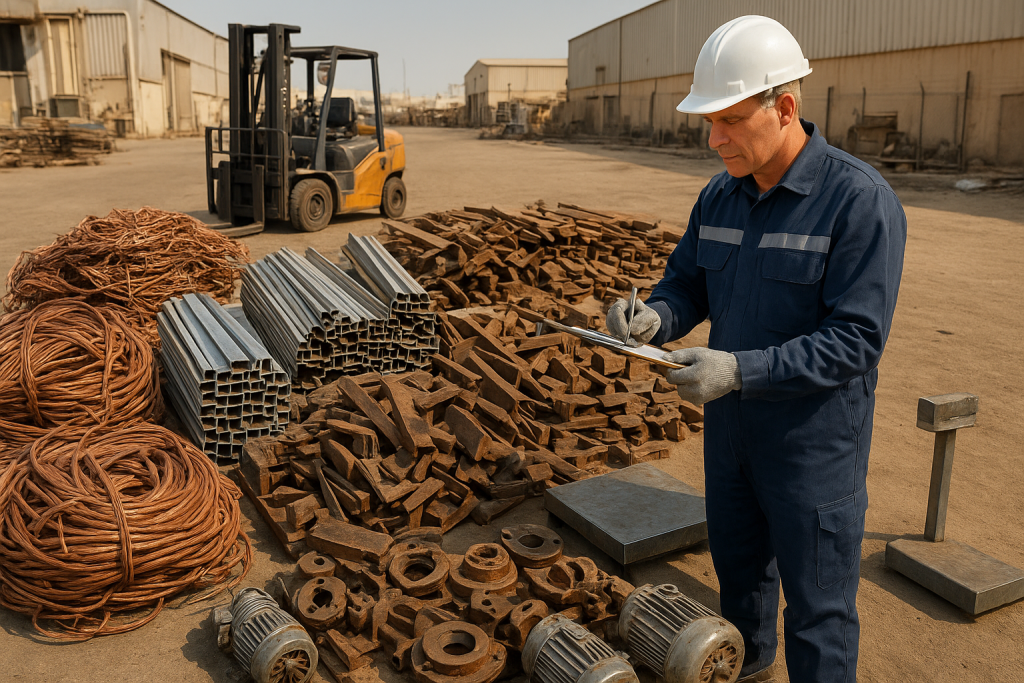
A commercial load may contain several metal families with very different recycling routes. Iron and carbon steel are ferrous metals, while copper, aluminum, brass, and many other metals are non-ferrous. Stainless steel requires further identification because alloy composition and grade affect how it is classified. Coated cables, electric motors, and machinery are composite items that contain both metal and non-metal components.
The purpose of an assessment is to identify saleable categories and estimate their net recoverable material. A buyer may also consider whether the lot is already sorted, how it can be weighed, and what equipment or labor is needed to remove it. Current market conditions matter, but they are only one part of the calculation.
Understanding scrap metal valuation Dammam: 7 Essential Factors
- Material Type and Grade
Correct identification is the starting point. Clean copper cable, aluminum profiles, structural steel, cast iron, stainless steel, and insulated wire should not be treated as one category. Within each metal family, alloy or product grade may also matter. Purchase records, equipment labels, and material specifications can support identification when available.
- Purity and Contamination
Paint, rubber, insulation, concrete, plastic, oil, soil, moisture, and attached non-metal parts can reduce recoverable yield or require extra processing. Contamination does not always make material unsuitable, but it should be disclosed. Loads containing sealed vessels, chemical residues, or unknown substances may need specialist attention before normal scrap handling.
- Sorting and Separation
Separating copper from aluminum, stainless steel from carbon steel, and clean metal from mixed assemblies makes a load easier to inspect. It can also reduce uncertainty during evaluation. Use clearly marked containers or designated storage areas, and avoid combining small high-value non-ferrous pieces with heavy ferrous scrap.
- Quantity and Consistency
Commercial volume affects the practical collection plan and the buyer’s ability to assess the load. A consistent batch of one grade is usually simpler to evaluate than the same weight spread across many mixed categories. Provide estimated quantities by material type rather than one combined estimate whenever possible.
- Condition and Recoverability
Rust, oxidation, coatings, fire damage, deformation, and dismantling history may change how material is classified or processed. Surface rust on heavy steel is different from severe corrosion that has removed substantial metal. For machinery and equipment, accessible metal components may be evaluated differently from sealed or complex assemblies.
- Current Market Conditions
Metal markets change according to demand, supply, processing needs, and the relevant material grade. For that reason, scrap metal valuation Dammam should be treated as a current assessment rather than a permanent rate. Photographs and descriptions are useful for initial review, but a final quotation may depend on verification and an agreed weighing method.
- Access, Loading, and Removal
Commercial scrap value can be affected by the work required to collect it. Ground-level bundles beside a loading area differ from machinery inside a restricted production zone. Stairs, narrow gates, lifting requirements, cutting needs, site induction rules, and scheduled shutdown windows should be explained before collection is arranged.
How to Prepare Commercial Scrap for Assessment
Preparation does not require aggressive dismantling. The goal is to make the materials identifiable, measurable, and accessible without creating unnecessary safety risks. A practical preparation checklist includes:
- Group obvious metal categories, including steel, stainless steel, aluminum, copper, cable, and mixed equipment.
- Keep known grades separate and retain specifications, asset lists, or purchase records that may help identification.
- Remove loose packaging, general waste, and detachable non-metal items only when this can be done safely.
- Take clear photographs showing the full quantity, close views of the material, and its storage or access conditions.
- Record lifting points, estimated dimensions, container availability, gate restrictions, and preferred collection times.
Do not cut pressurized equipment, open sealed electrical components, burn cable insulation, or drain unknown fluids without suitable procedures. Where hazardous residues or regulated components may be present, arrange the appropriate specialist handling before offering the remaining metal for recycling.
From Initial Details to Collection and Weighing
A practical approach to scrap metal valuation Dammam normally moves through four connected stages. Clear information at the beginning reduces avoidable changes when the material is inspected or loaded.
Share the Load Details
Send the material categories, estimated quantities, photographs, site location, and access notes. If the load includes motors, transformers, HVAC units, machinery, or cable, describe whether the equipment is complete, dismantled, drained, or mixed with other assets.
Confirm the Material
The buyer may review labels, test or inspect uncertain metals, and separate items into appropriate grades. Composite equipment may require an assessment of its recoverable content rather than classification by total weight alone.
Agree on Weighing and Commercial Terms
Confirm how the load will be weighed, whether deductions may apply to contamination or non-metal components, and whether loading or removal work is included. The quotation should reflect the described materials and the collection requirements rather than an unsupported general rate.
Coordinate Pickup and Site Access
Before dispatch, assign a site contact and confirm entry requirements, loading space, lifting arrangements, and permitted working hours. Businesses can discuss these details through Metal Scrap Dammam commercial scrap services when requesting an assessment or collection plan.
Commercial Valuation in the Dammam Industrial Context
For scrap metal valuation Dammam, businesses should consider local industrial operating conditions as well as material quality. Factory maintenance, warehouse clearance, construction activity, equipment replacement, and fabrication work can produce loads ranging from clean production offcuts to heavy machinery and mixed demolition metal.
Sites in Dammam’s industrial areas may have controlled gates, busy loading schedules, limited vehicle movement, or internal safety procedures. Sharing these constraints early helps match the collection method to the site. For loads connected to wider Eastern Province operations, distance and transport planning may also form part of the assessment without changing Dammam’s role as the primary service market.
Responsible Recycling and Material Management
Accurate sorting supports more than commercial evaluation. It directs usable metal into suitable recycling streams, reduces contamination, and makes it easier to recover resources instead of mixing them with general waste. Guidance from the UN Environment Programme provides broader context on resource efficiency, waste reduction, and responsible material management.
Businesses should keep scrap storage orderly, prevent oils or residues from reaching the ground, and avoid unsafe processing methods. A documented handover list can also help internal asset control and confirm which materials have left the site.
Frequently Asked Questions
Can mixed commercial scrap be assessed?
Yes, but mixed loads need enough information to identify the principal categories. Separate obvious copper, aluminum, stainless steel, ferrous metal, cable, motors, and non-metal waste where practical. Clear photographs and estimated quantities help determine whether further inspection or sorting is needed.
Do rusty or damaged metals still have value?
Many rusty or damaged metals remain recyclable, although condition can affect classification, recoverable weight, and processing. Light surface rust differs from severe corrosion or contamination. Keep affected material separate and provide close photographs so its condition can be considered during assessment.
Is dismantling machinery necessary before requesting a quote?
Not always. Complete machinery can often be reviewed using photographs, dimensions, identification plates, condition details, and access information. Do not dismantle equipment if doing so creates lifting, electrical, pressure, fluid, or structural hazards. Explain what preparation has already been completed.
What details are needed to request a commercial valuation?
To request scrap metal valuation Dammam, provide the site location, contact person, material types, estimated quantities, photographs, sorting condition, and desired collection period. Mention restricted access, lifting needs, shutdown schedules, attached waste, or unusual residues so the quotation can reflect the actual job.
Request an Informed Commercial Scrap Assessment
Commercial metal should be evaluated as a documented material lot, not simply as an unknown pile with an estimated weight. For scrap metal valuation Dammam, contact Metal Scrap Dammam with photographs, category estimates, and collection details. The team can review the information, discuss current quotation factors, and coordinate the next appropriate step without relying on invented fixed rates.
Metal Scrap Dammam
Website: https://metalscrapdammam.com/
Call / WhatsApp: +966532510699
Email: info@metalscrapdammam.com