How to Sell and Recycle Electric Motors in Dammam: Practical Guidance for Factories and Workshops
If you need an electric motor scrap buyer Dammam who understands industrial sites, safe handling and fair evaluation, this guide explains what to expect and how to prepare. Whether you manage a factory, workshop, plant maintenance team or warehouse clearance in Dammam, these practical steps will help you sell motors efficiently and responsibly.
Why selling electric motors to a professional buyer matters
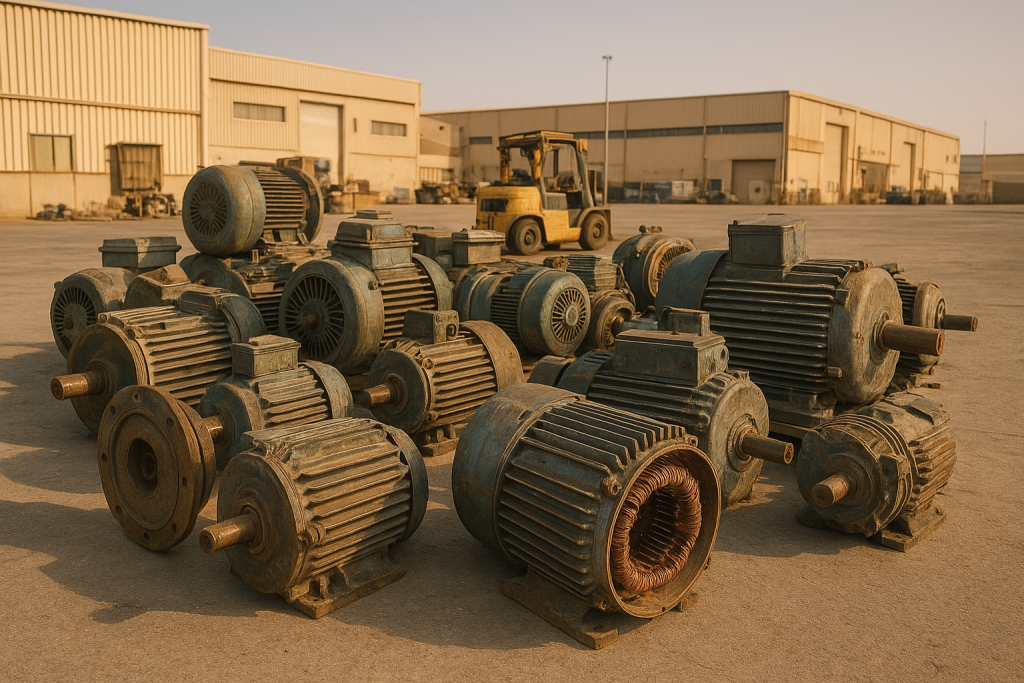
Electric motors are valuable both for recyclable metals (copper windings, steel housings) and for components that can be remanufactured or reclaimed. Selling to an experienced buyer reduces safety risks, improves recycling outcomes, and ensures correct documentation for industrial disposals. A professional buyer can also coordinate transport and site lifting for large motors often found in industrial areas such as Dammam Second Industrial City.
How an electric motor scrap buyer Dammam assesses motors
Understanding how assessment works helps you prepare and negotiate. A buyer will typically check:
- Motor type and rating (frame size, kW/hp, voltage)
- Condition: intact shaft, rotor/stator damage, seized bearings
- Materials present: copper windings, aluminum housings, steel cores
- Contamination: oil, grease, insulation debris or hazardous fluids
- Accessibility and quantity: how many motors and how they are staged for removal
These factors affect sorting, transport and recycling costs but not all assessments are purely weight-based — material separation and labor to dismantle motors also matter.
5 Practical Tips to prepare electric motors for sale
- Inventory and documentation — Create a list with motor make, model, serial number, and rated power. For industrial customers this speeds up quotes and planning.
- Separate by size and type — Keep small motors, large flange motors, and specialty motors (e.g., explosion-proof) grouped separately. Clear labelling saves time during inspection and can improve offers.
- Remove non-metallic attachments — Detach external belts, pulleys, electronic controllers and plastic covers when safe to do so. Buyers may value cleaner metal lots and avoid contamination.
- Ensure safe access for removal — Provide clear lifting points, remove obstructions and, where necessary, arrange for mechanical lifting (crane or forklift). Communicate site rules and working hours to the buyer in advance.
- Disclose contamination and hazardous components — If motors have oil, PCBs, or asbestos-containing parts, declare them. Honest disclosure prevents delays and ensures compliant recycling.
What types of motors and related equipment are commonly accepted
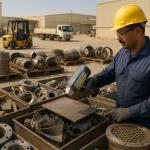
Most buyers handling machinery & equipment scrap accept a wide range of electric motors and related items: induction motors, DC motors, servo motors, gearboxes, motor starters, and motorized pumps. Heavy industrial motors from plants and smaller workshop motors are both recyclable, but separation by type helps the evaluation process.
Key factors that affect evaluation and collection
- Material composition — Motors with intact copper windings are typically more valuable than fully brazed cores or scrap where copper is contaminated.
- Condition and required labor — Severely corroded or welded-in motors need more dismantling work, which can affect net offers.
- Quantity and frequency — Larger lots or regular collections from industrial customers make logistics more efficient and may improve terms.
- Site access and lifting requirements — Easy forklift access lowers removal costs compared with motors requiring cranes or confined-space work.
- Regulatory and environmental considerations — Proper handling of oils and electronic components is required; compliant buyers will manage disposal per regulations.
Collection, weighing and payment — what to expect
Typical steps in a professional collection:
- Pre-quote: Provide photos, inventory and basic specs to get a preliminary offer.
- Site inspection: Buyer confirms quantities, access and hazards.
- Collection: Trained crews remove motors, use appropriate lifting gear and segregate recyclable components.
- Weighing & settlement: Materials are weighed and evaluated; final payment is issued per agreed terms.
For many businesses in Dammam, coordinating timing to avoid production disruption is an important part of the service.
Responsible recycling and environmental benefits
Sending motors to a responsible recycler preserves copper and steel resources and reduces energy consumption compared with primary metal production. For information about global recycling standards and environmental best practices, see the UN Environment Programme. Choosing compliant buyers protects your company from regulatory risk and demonstrates environmental responsibility.
Local considerations for Dammam and the Eastern Province
Industrial operations in Dammam and nearby areas such as Al Khobar and Jubail operate on tight schedules and may require after-hours coordination. If you manage assets in the Second Industrial City or large plants, provide clear site permits and contact details so the buyer can arrange safe access and lifting equipment. Metal Scrap Dammam services can handle industrial collections with local knowledge of Dammam site procedures and safety requirements.
Frequently asked questions
1. What motor materials do you accept?
We accept a wide range of electric motors and associated components including copper windings, steel housings, aluminum mounts, gearboxes and motor starters. If a motor contains hazardous fluids or electronics, please tell us in advance so we can plan compliant handling.
2. How should I prepare motors for pickup?
Provide an inventory and group similar motors together. Remove loose non-metal parts if safe, clear access for lifting equipment, and label groups by size/type. This reduces onsite inspection time and helps deliver a faster quote.
3. Do you offer site collection for large industrial motors?
Yes. For large or heavy motors we coordinate cranes or forklifts, arrange permits and follow your site safety procedures. Exact logistics depend on access, motor weight and any required confined-space work.
4. How is a motor evaluated and paid for?
Evaluation considers material type, condition, contamination and dismantling labor. Materials are typically weighed at collection or at a certified scale before final settlement. For current offers contact us with photos and an inventory for a prompt response.
Conclusion and next steps
Selling motors to a reliable buyer reduces risk, speeds recycling and ensures proper documentation for industrial disposals. If you are ready to move motors from a factory, warehouse or workshop in Dammam, contact Metal Scrap Dammam for a site assessment and collection plan. Our team can provide on-site quotes and arrange pickup that fits your production schedule. For a prompt response and professional handling, call or WhatsApp +966532510699, email info@metalscrapdammam.com, or visit our Metal Scrap Dammam services page to request a quote. electric motor scrap buyer Dammam